Malvaceae
Little-leaf Linden: Aromatic Plant
Tilia cordata
The Little-leaf Linden grows best in full sun or partial shade, in fertile, well-drained soil with a pH of 5.0–8.0. It requires regular watering, especially in the first 2–3 years after planting and during droughts (approximately 20–30 liters per week). It is exceptionally frost-hardy (USDA zones 3b–7b). It tolerates pruning and shaping well. It does not require fertilization in naturally fertile soil.
Every 7 days
Bright indirect
-34° - 35°C
40% - 70%
Categories
What is Little-leaf Linden?
Little-leaf Linden (Tilia cordata) is a medium-care plant from the Malvaceae family. The Little-leaf Linden (Tilia cordata) is a long-lived deciduous tree in the Malvaceae family, native to Europe and western Asia. It reaches a height of up to 30 m with a broad, rounded crown spreading up to 12 m. In summer (June–July), it produces small, creamy-yellow flowers with an intense, sweet...
Little-leaf Linden grows up to 30.0m, spread of 1200cm, watering every 7 days, -34°C – 35°C, 40–70% humidity. It is not suitable for indoor environments and safe for pets.
Unlike many popular species, Little-leaf Linden is safe to keep around pets.
How to Care for Little-leaf Linden?
TLDR: Little-leaf Linden needs Bright indirect, watering every 7 days, and temperatures between -34-35°C with 40-70% humidity.
How Often Should You Water Little-leaf Linden?
Water regularly, especially young trees up to 3 years old—20–30 liters once a week during dry spells. Mature lindens are more drought-tolerant but do not tolerate prolonged drought. Avoid waterlogged soil. Maintain even soil moisture during the growing season.
How Much Light Does Little-leaf Linden Need?
The Little-leaf Linden prefers full sun (at least 6 hours a day) but also grows well in partial shade. In sunny locations, it blooms more profusely and develops a stronger root system. Avoid deep shade, as the tree will thin its crown and produce fewer flowers.
What Is the Best Soil for Little-leaf Linden?
Prefers fertile, humus-rich, well-drained, and slightly moist soil—ideally sandy loam with a pH of 5.0–8.0. It tolerates both slightly acidic and alkaline substrates. Avoid extremely dry, sandy soils and permanently waterlogged ground. It is beneficial to enrich the soil with compost before planting.
What Pot Should You Use for Little-leaf Linden?
The Little-leaf Linden is a large tree unsuitable for container growth or as an indoor plant. It is intended exclusively for ground planting in gardens, parks, avenues, and streets. It requires significant root space.
What Is Little-leaf Linden and Where Does It Come From?
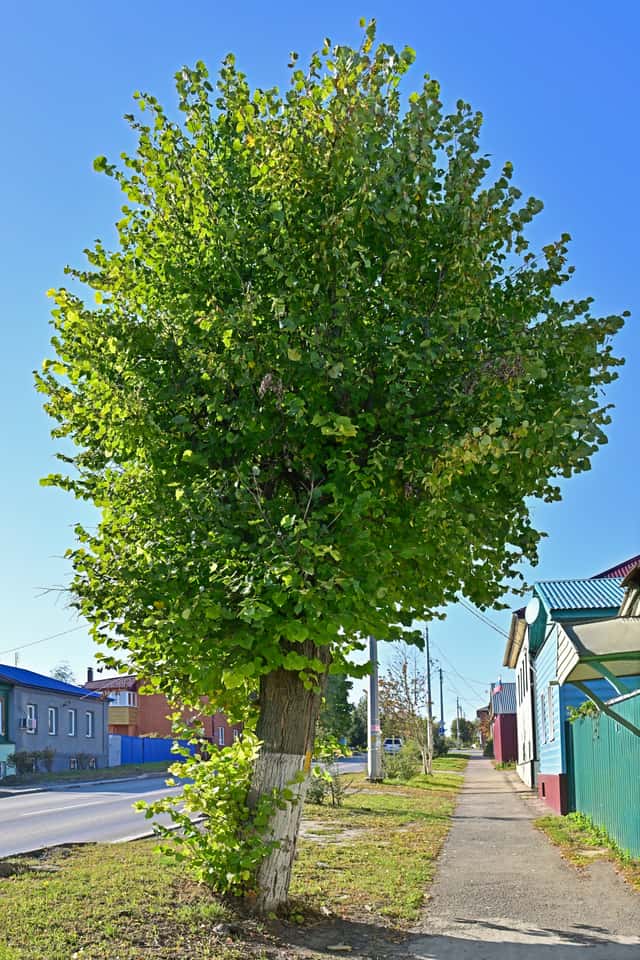
The Little-leaf Linden (Tilia cordata) is a long-lived deciduous tree in the Malvaceae family, native to Europe and western Asia. It reaches a height of up to 30 m with a broad, rounded crown spreading up to 12 m. In summer (June–July), it produces small, creamy-yellow flowers with an intense, sweet fragrance that attracts bees, making it highly valuable for beekeeping. Its heart-shaped, dark green leaves turn golden in autumn. The linden is a long-lived tree (living over 1,000 years), exceptionally frost-resistant (down to -34°C), and relatively tolerant of urban conditions.
How to Propagate Little-leaf Linden?
Seed
Layering
Root suckers
How Big Does Little-leaf Linden Grow?
TLDR: Little-leaf Linden can reach up to 30.0m tall with Medium growth rate.
Max height
30.0m
Spread
12.0m
Growth rate
Medium
Foliage
Deciduous
Plant Uses
Ornamental
Great for decoration
Medicinal
Medicinal properties
Edible
Can be consumed
Aromatic
Pleasant fragrance
Medicinal Uses
- Linden flower tea – a diaphoretic and sedative remedy for colds, coughs, and fevers
- Antispasmodic and expectorant effects – traditionally used for respiratory catarrh
- Lowering blood pressure and hypotensive properties – flower infusion
- Relieving anxiety and insomnia – sedative properties
- Linden wood charcoal – traditionally used for gastric disorders and burns
- Supporting digestion and soothing stomach cramps
- External application for rashes and skin inflammations
Culinary Uses
- Linden flower tea (infusion) – sweet, aromatic, and popular throughout Europe
- Young leaves are edible raw – used as a salad ingredient with a mild flavor
- Flowers used for flavoring honey and confectionery products
- Spring sap (bud sap) – consumed as a beverage or syrup in folk tradition
- Linden honey – one of the most valuable types of honey, collected by bees from abundant linden blossoms
Is your plant showing symptoms?
Click on the symptom to discover possible causes:
What Diseases Commonly Affect Little-leaf Linden?
TLDR: Little-leaf Linden is susceptible to 9 known diseases. Monitor regularly for early detection.
Powdery Mildew
Powdery mildew is a common fungal disease caused by various fungi species including Erysiphe, Podosphaera, Oïdium, and Leveillula. It affects over 10,000 plant species worldwide. The disease thrives in warm, dry climates with high humidity and appears as a distinctive white powdery coating on plant surfaces.
Leaf Spot
Leaf spot is a common fungal disease caused by various pathogens including Alternaria, Ascochyta, Colletotrichum, Septoria, and Venturia. It primarily affects leaves, causing discolored spots that can lead to premature leaf drop if left untreated.
Canker
Canker is a disease caused by various fungi and bacteria that create necrotic, sunken areas on bark of branches, stems, and trunks. Pathogens enter through wounds and natural openings, especially when plants are stressed. Canker can gradually weaken or kill branches by disrupting water and nutrient flow.
Verticillium Wilt
Verticillium wilt is a soil-borne fungal disease caused primarily by the fungi Verticillium dahliae and V. albo-atrum. These pathogens infect plant roots and grow within the vascular tissues, blocking water and nutrient transport, resulting in wilting and eventual plant death. The disease affects over 350 plant species including vegetables, fruits, ornamental flowers, and trees. The fungi can survive in soil for more than 10 years as resistant structures called microsclerotia.
Meaning & Symbolism
The linden is a symbol of love, peace, and protection in Slavic and Germanic cultures. It is the national tree of the Czech Republic and Slovakia, and one of the national symbols of Latvia. In Norse mythology, it is dedicated to the goddesses of love—Freya and Frigg. In Poland, the linden was a tree under which gatherings and courts were held. Its heart-shaped leaves are associated with love and sincerity.
Compare with similar plants
| Attribute | Difficulty | Light | Watering | Pet Safe |
|---|---|---|---|---|
| Azalea | Medium | Partial shade | 3d | ⚠️ |
| Wild Lettuce | Medium | Direct sun | 7d | ⚠️ |
| Cape Primrose | Medium | Partial shade | 7d | ✓ |
| Honey Locust | Medium | Direct sun | 14d | ✓ |