Lamiaceae
Scaredy Cat Plant: Aromatic Plant
Coleus caninus
Easy to grow. Give it full sun to part shade, well-draining soil, and moderate, even moisture. Established plants tolerate short dry spells but dislike being waterlogged. Pinch back leggy stems to keep growth compact (wear gloves, since pruning releases the plant's pungent smell).
Every 7 days
Bright indirect
13° - 35°C
% - %
Categories
What is Scaredy Cat Plant?
Scaredy Cat Plant (Coleus caninus) is a easy-care plant from the Lamiaceae family. Coleus caninus (syn. Plectranthus caninus) is an aromatic tender perennial in the mint family (Lamiaceae), native to southern and eastern Africa. Its grey-green, scallop-edged leaves release a strong, skunk-like odor when brushed or bruised, a trait that has earned it the nicknames "scaredy cat plan...
Scaredy Cat Plant grows up to spread of 60cm, watering every 7 days, 13°C – 35°C. It is suitable for indoor environments and not safe for pets.
Unlike many tropical plants, Scaredy Cat Plant tolerates watering mistakes. Best for beginners. Without precautions, ingestion can cause irritation in pets. Keep out of reach of cats and dogs. Without adequate drainage, root rot can develop within 14 days.
How to Care for Scaredy Cat Plant?
TLDR: Scaredy Cat Plant needs Bright indirect, watering every 7 days, and temperatures between 13-35°C with 40-70% humidity.
How Often Should You Water Scaredy Cat Plant?
Water when the top inch of soil dries out, roughly once a week; avoid soggy soil as it is prone to root rot.
How Much Light Does Scaredy Cat Plant Need?
Thrives in full sun to partial shade; too much shade causes leggy growth and weaker scent.
What Is the Best Soil for Scaredy Cat Plant?
Use a well-draining, moderately fertile potting mix; avoid heavy, waterlogged soils.
Care Schedule
Fertilize
Every 14 days
Misting
Every 3 days
Rotate
Every 7 days
Repot
Every 365 days
What Is Scaredy Cat Plant and Where Does It Come From?
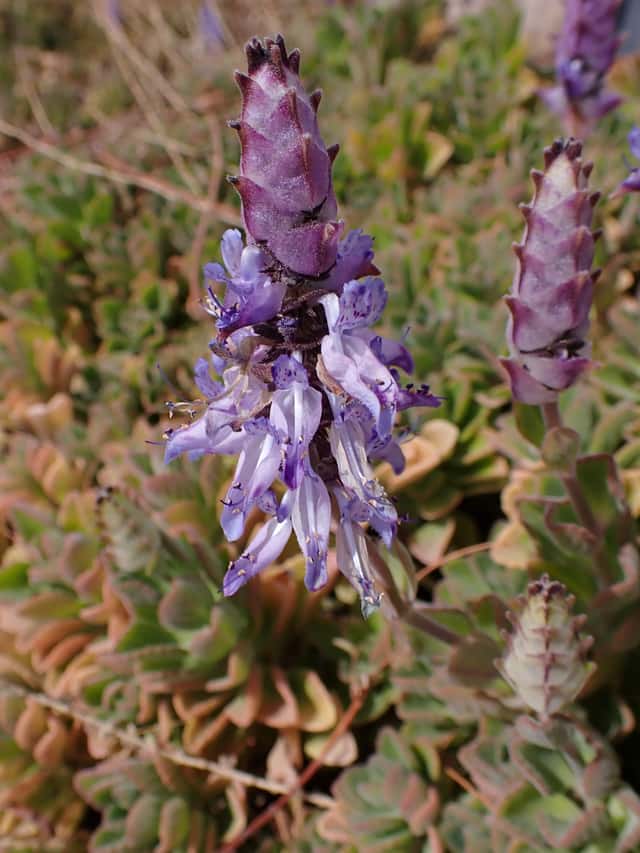
Coleus caninus (syn. Plectranthus caninus) is an aromatic tender perennial in the mint family (Lamiaceae), native to southern and eastern Africa. Its grey-green, scallop-edged leaves release a strong, skunk-like odor when brushed or bruised, a trait that has earned it the nicknames "scaredy cat plant" and "piss-off plant" for its reputed (though scientifically unproven) ability to deter cats, dogs and other animals from garden beds. Small spikes of pale blue-violet flowers appear from summer into fall.
How Big Does Scaredy Cat Plant Grow?
TLDR: Scaredy Cat Plant can reach up to ?cm tall with Fast growth rate.
Spread
60cm
Growth rate
Fast
Foliage
Evergreen
Warning: Toxic Plant
This plant can be toxic if ingested. Keep out of reach of:
Plant Uses
Ornamental
Great for decoration
Aromatic
Pleasant fragrance
Is your plant showing symptoms?
Click on the symptom to discover possible causes:
What Diseases Commonly Affect Scaredy Cat Plant?
TLDR: Scaredy Cat Plant is susceptible to 6 known diseases. Monitor regularly for early detection.
Root Rot
Root rot is a serious fungal disease that affects the root system of plants, causing them to decay and die. It is primarily caused by overwatering, poor drainage, or soil-borne fungi such as Pythium, Phytophthora, Rhizoctonia, and Fusarium. The disease thrives in waterlogged conditions where roots are deprived of oxygen, making them susceptible to fungal infection.
Downy Mildew
Downy mildew is a fungal-like disease caused by oomycetes (water molds) that thrives in cool, wet conditions. It affects a wide range of plants, causing yellowing leaves with fuzzy white-gray growth underneath, leading to defoliation and reduced yields if left untreated.
Aphids
Aphids are small, soft-bodied, pear-shaped insects (1/16 to 1/8 inch long) that feed by sucking nutrient-rich sap from plants. They reproduce rapidly and can quickly weaken plants, causing distorted growth and transmitting plant viruses. Aphids come in various colors including green, black, red, yellow, brown, and gray. They secrete honeydew, a sticky substance that attracts ants and encourages sooty mold growth.
Mealybugs
Mealybugs are small, soft-bodied insects covered with a white, waxy, cottony material. They are common pests of houseplants and outdoor plants in mild climates. These sap-sucking insects feed on plant tissue, causing damage, stunted growth, and can lead to plant death if left untreated. They produce sticky honeydew which attracts sooty mold.
Compare with similar plants
| Attribute | Difficulty | Light | Watering | Pet Safe |
|---|---|---|---|---|
| Field Maple | Easy | Bright indirect | 14d | ✓ |
| Silver Birch | Easy | Direct sun | 14d | ✓ |
| Common Blanketflower | Easy | Direct sun | 10d | ✓ |
| Cushion Bush | Easy | Direct sun | 14d | ✓ |
Choose & Compare
Sources & References
- Coleus caninus - Wikipedia
- Scaredy Cat Coleus Info - Gardening Know How
- How to grow the Piss-off plant (Plectranthus caninus) from cuttings
- Coleus canina plant guide - Homes and Gardens
- Coleus Canina Guide: How to Care for the Scaredy-Cat Plant - MasterClass
- Coleus Hardiness Zones Ultimate Guide - Greg App





