Rosaceae
Tea Rose (Rosa × odorata): Complete Growing Guide
Rosa × odorata
Plant in full sun (6-8 hours daily). Water every 7 days, keeping foliage dry. Use well-draining loamy soil with pH 5.8-6.5. Fertilize monthly during spring and summer. Prune annually to encourage new flowering growth.
Every 7 days
Direct sun
-10° - 35°C
40% - 60%
Categories
What is Tea Rose?
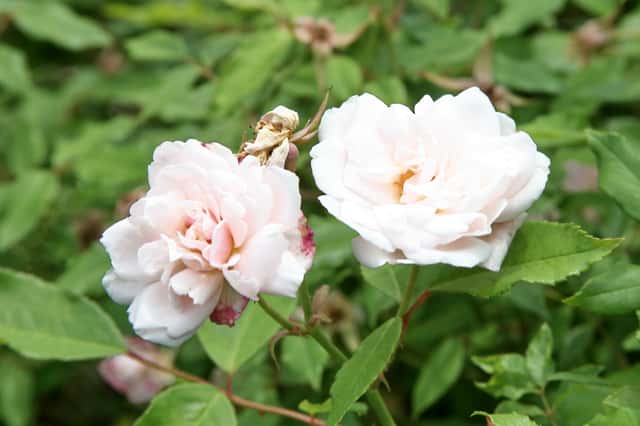
Tea Rose (Rosa × odorata) is a medium-care plant from the Rosaceae family. The Tea Rose (Rosa × odorata) is an elegant hybrid originating from China, a cross between Rosa chinensis and Rosa gigantea. Celebrated for its large, fragrant blooms in shades of white, pink, cream, and yellow, it became the genetic foundation for most modern hybrid tea roses. Its delicate tea-like...
Tea Rose grows up to 4.5m, with spread of 200cm, watering every 7 days, -10°C – 35°C, 40–60% humidity. It is suitable for indoor environments and safe for pets.
Unlike many popular species, Tea Rose is safe to keep around pets. Without adequate drainage, root rot can develop within 14 days.
How to Care for Tea Rose?
TLDR: Tea Rose needs Direct sun, watering every 7 days, and temperatures between -10-35°C with 40-60% humidity.
How Often Should You Water Tea Rose?
Water deeply at the base every 7 days, avoiding wetting the foliage to reduce disease risk. Allow the top inch of soil to dry slightly between waterings to prevent root rot.
How Much Light Does Tea Rose Need?
Tea Rose requires at least 6-8 hours of direct sunlight daily for abundant blooming. Indoors, place near a south- or west-facing window for best results.
What Is the Best Soil for Tea Rose?
Use rich, well-draining loamy soil with a slightly acidic pH of 5.8-6.5. Amend with organic compost at planting to improve fertility, structure, and drainage.
What Pot Should You Use for Tea Rose?
Terracotta or ceramic pot with drainage holes; in the garden, raised beds or borders with good drainage work best.
Care Schedule
Fertilize
Every 30 days
Misting
Every 3 days
Rotate
Every 7 days
Repot
Every 730 days
What Is Tea Rose and Where Does It Come From?
The Tea Rose (Rosa × odorata) is an elegant hybrid originating from China, a cross between Rosa chinensis and Rosa gigantea. Celebrated for its large, fragrant blooms in shades of white, pink, cream, and yellow, it became the genetic foundation for most modern hybrid tea roses. Its delicate tea-like fragrance and repeat-blooming habit made it one of the most influential rose species in horticultural history.
How Big Does Tea Rose Grow?
TLDR: Tea Rose can reach up to 4.5m tall with Medium growth rate.
Max height
4.5m
Spread
2.0m
Growth rate
Medium
Foliage
Deciduous
Plant Uses
Ornamental
Great for decoration
Aromatic
Pleasant fragrance
Medicinal Uses
- Rose petals used in herbal teas to relieve anxiety and improve mood
- Rose extract used in aromatherapy for relaxation
Culinary Uses
- Crystallized petals used in confectionery and cake decoration
- Rose water and petals used in salads, desserts, and Middle Eastern cuisine
Is your plant showing symptoms?
Click on the symptom to discover possible causes:
What Diseases Commonly Affect Tea Rose?
TLDR: Tea Rose is susceptible to 23 known diseases. Monitor regularly for early detection.
Powdery Mildew
Powdery mildew is a common fungal disease caused by various fungi species including Erysiphe, Podosphaera, Oïdium, and Leveillula. It affects over 10,000 plant species worldwide. The disease thrives in warm, dry climates with high humidity and appears as a distinctive white powdery coating on plant surfaces.
Root Rot
Root rot is a serious fungal disease that affects the root system of plants, causing them to decay and die. It is primarily caused by overwatering, poor drainage, or soil-borne fungi such as Pythium, Phytophthora, Rhizoctonia, and Fusarium. The disease thrives in waterlogged conditions where roots are deprived of oxygen, making them susceptible to fungal infection.
Black Spot
Black spot is the most serious fungal disease affecting roses, caused by the fungus Diplocarpon rosae. It is characterized by dark circular spots on leaves that progress to yellowing and premature leaf drop. The disease thrives in humid and cool conditions, especially early in the growing season.
Rust
Rust is a common fungal disease caused by fungi in the order Pucciniales that affects a wide variety of plants. The disease gets its name from the characteristic orange, yellow, or reddish-brown pustules that appear on leaves, resembling metal rust. This obligate fungal parasite requires living plants to survive and can cause significant economic losses in agricultural crops.
Meaning & Symbolism
Symbolizes lasting memories, friendship, gratitude, and remembrance. In the Victorian language of flowers, it means "I will remember always." Associated with romantic devotion and gentle affection.
Fun Facts
The Tea Rose is the genetic ancestor of nearly all modern hybrid tea roses grown today.
The name "Tea" comes from its distinctive fragrance, reminiscent of freshly brewed Chinese black tea.
It arrived in Europe in the late 18th century and revolutionized rose hybridization.
Unlike old garden roses that bloom once per year, Tea Roses can bloom repeatedly throughout the growing season.
Rosa × odorata is a hybrid of Rosa chinensis and Rosa gigantea, both native to Yunnan, China.
Frequently asked questions
How often should I water a Tea Rose?
Can Tea Rose grow indoors?
Why are my Tea Rose leaves turning yellow?
When does Tea Rose bloom?
Compare with similar plants
| Attribute | Difficulty | Light | Watering | Pet Safe |
|---|---|---|---|---|
| Azalea | Medium | Partial shade | 3d | ⚠️ |
| Wild Lettuce | Medium | Direct sun | 7d | ⚠️ |
| Cape Primrose | Medium | Partial shade | 7d | ✓ |
| Honey Locust | Medium | Direct sun | 14d | ✓ |