Acanthaceae
Laurel Clockvine (Thunbergia laurifolia) Care Guide
Thunbergia laurifolia
Give this fast-growing vine full sun to partial shade, water once or twice a week to keep the soil evenly moist, and provide a sturdy trellis or support for climbing. It thrives in warm temperatures (20-30°C / 68-86°F) and well-draining, loamy soil.
Every 7 days
Bright indirect
20° - 30°C
% - %
Categories
What is Laurel Clockvine?
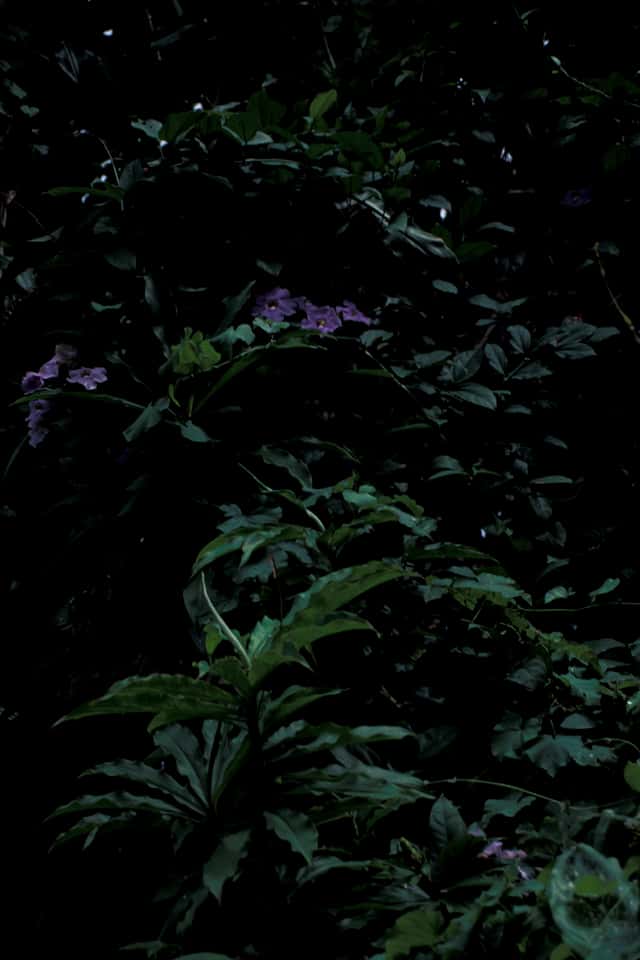
Laurel Clockvine (Thunbergia laurifolia) is a easy-care plant from the Acanthaceae family. Thunbergia laurifolia is a vigorous, evergreen climbing vine native to the Indomalayan region (India, Thailand, and Malaysia), prized for its glossy, laurel-like leaves and pale blue to lavender trumpet-shaped flowers with a creamy-yellow throat. It grows rapidly, often covering trellises, fences, a...
Laurel Clockvine grows up to 15.0m, watering every 7 days, 20°C – 30°C. It is suitable for indoor environments and safe for pets.
Unlike many tropical plants, Laurel Clockvine tolerates watering mistakes. Best for beginners. Unlike many popular species, Laurel Clockvine is safe to keep around pets. Without adequate drainage, root rot can develop within 14 days.
How to Care for Laurel Clockvine?
TLDR: Laurel Clockvine needs Bright indirect, watering every 7 days, and temperatures between 20-30°C with 40-70% humidity.
How Often Should You Water Laurel Clockvine?
Water thoroughly once or twice a week, letting the top of the soil dry slightly between waterings. Avoid waterlogging, which can cause root rot.
How Much Light Does Laurel Clockvine Need?
Provide full sun to partial shade — around 6-8 hours of bright light daily — for the best flowering and lush foliage.
What Is the Best Soil for Laurel Clockvine?
Plant in well-draining, loamy soil rich in organic matter, with a pH between 6.5 and 7.5.
What Pot Should You Use for Laurel Clockvine?
A large container with excellent drainage and a sturdy trellis or moss pole for climbing support; repot every 1-2 years as the vigorous root system fills the pot.
Care Schedule
Repot
Every 550 days
What Is Laurel Clockvine and Where Does It Come From?
Thunbergia laurifolia is a vigorous, evergreen climbing vine native to the Indomalayan region (India, Thailand, and Malaysia), prized for its glossy, laurel-like leaves and pale blue to lavender trumpet-shaped flowers with a creamy-yellow throat. It grows rapidly, often covering trellises, fences, and pergolas within a single season, and blooms nearly year-round in warm climates. In Southeast Asian traditional medicine, its leaves are used to make a detoxifying herbal tea (rang jeud). Because of its fast growth and tuberous root system, it has become an invasive weed in parts of Brazil, Australia, and other tropical regions, so it should be planted with care and contained.
How to Propagate Laurel Clockvine?
Stem Cutting
Take cuttings from non-flowering shoots in late spring to early summer for best results; roots typically appear within 4-6 weeks.
- 1 Take a 5-inch (12 cm) healthy stem cutting with at least two nodes
- 2 Remove lower leaves and dip the cut end in rooting hormone
- 3 Plant in a moist mix of equal parts sand, peat, and perlite
- 4 Keep the medium consistently moist and in bright, indirect light until roots form
Materials needed:
Seed Propagation
Germination is variable and can take 2-4 weeks; stem cuttings are generally more reliable.
- 1 Collect mature seed pods from the vine
- 2 Sow seeds shallowly in a well-draining seed-starting mix
- 3 Keep soil moist and in a warm, bright spot
- 4 Transplant seedlings once they have several true leaves
Materials needed:
How Big Does Laurel Clockvine Grow?
TLDR: Laurel Clockvine can reach up to 15.0m tall with Fast growth rate.
Max height
15.0m
Growth rate
Fast
Foliage
Evergreen
Plant Uses
Ornamental
Great for decoration
Medicinal
Medicinal properties
Medicinal Uses
- antipyretic (fever reducer) in traditional Southeast Asian medicine
- used to make detoxifying herbal tea (rang jeud) from the leaves
- studied for antibacterial and anti-inflammatory effects on skin infections
Is your plant showing symptoms?
Click on the symptom to discover possible causes:
What Diseases Commonly Affect Laurel Clockvine?
TLDR: Laurel Clockvine is susceptible to 13 known diseases. Monitor regularly for early detection.
Powdery Mildew
Powdery mildew is a common fungal disease caused by various fungi species including Erysiphe, Podosphaera, Oïdium, and Leveillula. It affects over 10,000 plant species worldwide. The disease thrives in warm, dry climates with high humidity and appears as a distinctive white powdery coating on plant surfaces.
Alternaria Leaf Spot
Alternaria leaf spot is a common fungal disease caused by Alternaria solani and Alternaria alternata that affects a wide range of plants including tomatoes, potatoes, brassicas, and ornamentals. The disease thrives in warm, humid conditions and can cause significant crop damage if left untreated. Spores overwinter on plant debris and can attach to seeds, making complete elimination difficult.
Anthracnose
Anthracnose is a fungal disease caused by fungi in the genus Colletotrichum that affects many plants, including vegetables, fruits, and trees. The disease thrives in cool, wet conditions, causing dark, sunken lesions on leaves, stems, flowers, and fruits.
Bacterial Leaf Spot
Bacterial leaf spot is a plant disease caused by bacteria in the Xanthomonas and Pseudomonas genera that affects various ornamental and edible plants. The bacteria infect leaves through wounds or natural openings, causing characteristic lesions that can lead to premature leaf drop and plant weakening.
Fun Facts
Its flowers open in the morning and close again the same evening.
In Thailand, leaf extracts are brewed into a traditional detox tea called rang jeud.
Despite its beauty, it is listed as an invasive species in parts of Brazil's Cerrado and tropical Australia.
Frequently asked questions
Is Thunbergia laurifolia toxic to pets?
How fast does Laurel Clockvine grow?
Is this plant invasive?
How often should I water Laurel Clockvine?
Compare with similar plants
| Attribute | Difficulty | Light | Watering | Pet Safe |
|---|---|---|---|---|
| Field Maple | Easy | Bright indirect | 14d | ✓ |
| Silver Birch | Easy | Direct sun | 14d | ✓ |
| Common Blanketflower | Easy | Direct sun | 10d | ✓ |
| Cushion Bush | Easy | Direct sun | 14d | ✓ |





