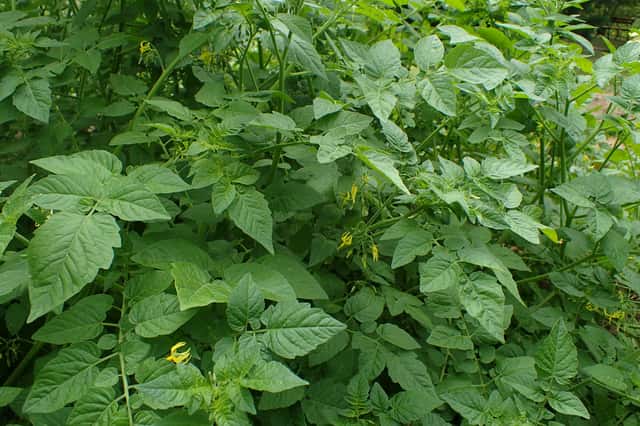
Solanaceae
Currant Tomato (Solanum pimpinellifolium)
Solanum pimpinellifolium
A hardy plant that thrives in full sun and well-drained soil. Water regularly without waterlogging. Fertilize every 3 weeks during the growing season. May require staking for support.
Every 2 days
Direct sun
15° - 35°C
60% - 80%
Categories
What is Currant Tomato?
Currant Tomato (Solanum pimpinellifolium) is a medium-care plant from the Solanaceae family. Solanum pimpinellifolium, commonly known as the Currant Tomato or Wild Tomato, is the wild ancestor of all cultivated tomatoes. Native to Peru and Ecuador, it produces tiny, intensely sweet berries the size of currants. All green parts of the plant contain solanine and are toxic; only ripe fruits ar...
Currant Tomato grows up to 1.8m, spread of 80cm, watering every 2 days, 15°C – 35°C, 60–80% humidity. It is not suitable for indoor environments and not safe for pets.
Without precautions, ingestion can cause irritation in pets. Keep out of reach of cats and dogs.
How to Care for Currant Tomato?
TLDR: Currant Tomato needs Direct sun, watering every 2 days, and temperatures between 15-35°C with 60-80% humidity.
How Often Should You Water Currant Tomato?
Water every 2 days in hot weather, keeping soil evenly moist. Avoid wetting foliage to prevent fungal diseases. Reduce watering in cooler months.
How Much Light Does Currant Tomato Need?
Requires at least 6-8 hours of direct sunlight per day for abundant fruit production. Insufficient light reduces growth and fruit yield significantly.
What Is the Best Soil for Currant Tomato?
Prefers well-drained, organically rich soil with pH 6.0-7.0. Amend with compost at planting. Avoid waterlogged conditions which cause root rot.
What Pot Should You Use for Currant Tomato?
Terracotta or sturdy plastic pot with drainage holes. Minimum 30 cm diameter for container growing.
Care Schedule
Fertilize
Every 21 days
Repot
Every 365 days
What Is Currant Tomato and Where Does It Come From?
Solanum pimpinellifolium, commonly known as the Currant Tomato or Wild Tomato, is the wild ancestor of all cultivated tomatoes. Native to Peru and Ecuador, it produces tiny, intensely sweet berries the size of currants. All green parts of the plant contain solanine and are toxic; only ripe fruits are edible.
How to Propagate Currant Tomato?
Direct Seeding
Sow at 15mm depth to prevent tomato mosaic virus present in the seed coat from infecting seedlings. Use light, fertile substrate.
- 1 Sow seeds 15mm deep in moist growing medium
- 2 Keep in a warm location at 20-25°C until germination
- 3 Transplant seedlings to a sunny outdoor location
- 4 Install stakes when plants reach 30 cm tall
Materials needed:
How Big Does Currant Tomato Grow?
TLDR: Currant Tomato can reach up to 1.8m tall with Fast growth rate.
Max height
1.8m
Spread
80cm
Growth rate
Fast
Foliage
Deciduous
Warning: Toxic Plant
This plant can be toxic if ingested. Keep out of reach of:
Plant Uses
Edible
Can be consumed
Medicinal
Medicinal properties
Medicinal Uses
- Traditional topical anti-inflammatory and wound healer in Andean folk medicine
Culinary Uses
- Ripe fruits eaten fresh, in salads, sauces, and preserves. Intensely sweet flavour surpassing cultivated tomatoes.
Is your plant showing symptoms?
Click on the symptom to discover possible causes:
What Diseases Commonly Affect Currant Tomato?
TLDR: Currant Tomato is susceptible to 10 known diseases. Monitor regularly for early detection.
Aphids
Aphids are small, soft-bodied, pear-shaped insects (1/16 to 1/8 inch long) that feed by sucking nutrient-rich sap from plants. They reproduce rapidly and can quickly weaken plants, causing distorted growth and transmitting plant viruses. Aphids come in various colors including green, black, red, yellow, brown, and gray. They secrete honeydew, a sticky substance that attracts ants and encourages sooty mold growth.
Whiteflies
Whiteflies are small, soft-bodied, winged insects closely related to aphids and mealybugs. They are moth-like in appearance, about 1/16 inch long, triangular in shape, and gray-white in color. These sap-sucking pests feed on plant tissue, causing yellowing, stunted growth, and wilting. They also excrete honeydew, which attracts ants and promotes sooty mold growth. Whiteflies can transmit serious plant viruses.
Spider Mites
Spider mites are tiny arachnids (less than 1/20 inch long) related to spiders and ticks that feed on plant sap. They thrive in hot, dry conditions and can cause significant damage to ornamental and vegetable plants. During severe infestations, crop losses can reach 14% or higher as these pests disrupt vital plant processes including photosynthesis, carbon dioxide absorption, and transpiration.
Leafminers
Leafminers are the larvae of various insects including flies, moths, sawflies, and beetles that tunnel between leaf surfaces, creating distinctive serpentine trails or blotchy patches. While primarily cosmetic, severe infestations can weaken plants by reducing photosynthesis capacity and making them susceptible to secondary infections.
Meaning & Symbolism
Symbol of the ancestral origin of cultivated tomatoes and the genetic resilience of wild crop relatives.
Fun Facts
It is the wild ancestor of every cultivated tomato variety in the world
Its fruits are the size of currants with a flavour far more intense than commercial tomatoes
Its glandular trichomes produce acyl sugars that naturally repel a broad spectrum of pests
It originated in the arid slopes of Peru and Ecuador thousands of years ago
Frequently asked questions
Is the Currant Tomato toxic?
How often should I water?
Can it be grown in a container?
When are the fruits ready to harvest?
How do I prevent fungal diseases?
Compare with similar plants
| Attribute | Difficulty | Light | Watering | Pet Safe |
|---|---|---|---|---|
| Dark Fieldcap | Medium | Low light | 2d | ⚠️ |
| Azalea | Medium | Partial shade | 3d | ⚠️ |
| Bougainvillea | Medium | Direct sun | 7d | ⚠️ |
| Wild Lettuce | Medium | Direct sun | 7d | ⚠️ |



