Solanaceae
Tomatillo: Complete Plant Care & Growing Guide
Physalis philadelphica
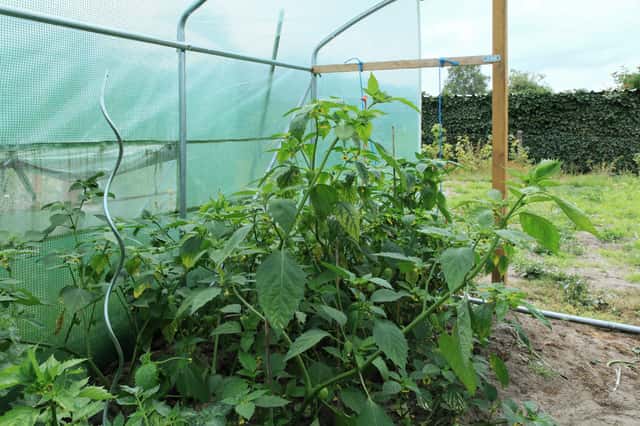
Tomatillo is an easy-to-grow annual that thrives in full sun with well-drained, organically rich soil. Water deeply once a week and fertilize every 4-6 weeks during the growing season. Plant at least two specimens for cross-pollination and good fruit set. Provide staking as plants tend to sprawl.
Every 7 days
Direct sun
10° - 35°C
50% - 70%
Categories
What is Tomatillo?
Tomatillo (Physalis philadelphica) is a easy-care plant from the Solanaceae family. Tomatillo (Physalis philadelphica) is an annual herbaceous plant native to Mexico, grown for its small green fruits encased in a papery husk. A staple of Mexican cuisine, tomatillos are essential in salsas, green sauces, and stews. The plant grows vigorously in warm climates with full sun and well-d...
Tomatillo grows up to 1.2m, spread of 122cm, watering every 7 days, 10°C – 35°C, 50–70% humidity. It is not suitable for indoor environments and safe for pets.
Unlike many tropical plants, Tomatillo tolerates watering mistakes. Best for beginners. Unlike many popular species, Tomatillo is safe to keep around pets.
How to Care for Tomatillo?
TLDR: Tomatillo needs Direct sun, watering every 7 days, and temperatures between 10-35°C with 50-70% humidity.
How Often Should You Water Tomatillo?
Water deeply once a week, allowing the top inch of soil to dry between waterings. Use drip irrigation at soil level to prevent foliar diseases. During hot spells or fruiting stage, increase to twice weekly.
How Much Light Does Tomatillo Need?
Requires full sun with at least 6-8 hours of direct sunlight daily. Plants in partial shade produce significantly fewer fruits. Choose an open, south-facing location for best results.
What Is the Best Soil for Tomatillo?
Prefers loamy, well-draining soil rich in organic matter with a pH of 5.5-7.0. Amend with compost before planting. Avoid heavy clay or waterlogged soils; use raised beds if drainage is poor.
What Pot Should You Use for Tomatillo?
Large terracotta or plastic containers at least 40cm wide and deep with adequate drainage holes. Larger pots yield more fruit. Use a well-draining potting mix amended with compost.
Care Schedule
Fertilize
Every 30 days
What Is Tomatillo and Where Does It Come From?
Tomatillo (Physalis philadelphica) is an annual herbaceous plant native to Mexico, grown for its small green fruits encased in a papery husk. A staple of Mexican cuisine, tomatillos are essential in salsas, green sauces, and stews. The plant grows vigorously in warm climates with full sun and well-drained soil, often noted as a synonym of Physalis ixocarpa.
How to Propagate Tomatillo?
Seed starting or direct sowing
Always plant at least two tomatillo plants for cross-pollination. Seeds germinate best at soil temperatures of 20-25°C. Harden off seedlings for 1 week before transplanting.
- 1 Start seeds indoors 6-8 weeks before the last frost date
- 2 Sow seeds 6mm deep in seed-starting mix and keep moist
- 3 Transplant outdoors after the last frost when seedlings are 10-15cm tall
- 4 Space plants 60-90cm apart to allow good air circulation
Materials needed:
How Big Does Tomatillo Grow?
TLDR: Tomatillo can reach up to 1.2m tall with Fast growth rate.
Max height
1.2m
Spread
1.2m
Growth rate
Fast
Foliage
Deciduous
Warning: Toxic Plant
This plant can be toxic if ingested. Keep out of reach of:
Plant Uses
Edible
Can be consumed
Culinary Uses
- Salsa verde
- Green enchiladas
- Tomatillo guacamole
- Soups and stews
- Chutneys and preserves
- Raw in salads
Is your plant showing symptoms?
Click on the symptom to discover possible causes:
What Diseases Commonly Affect Tomatillo?
TLDR: Tomatillo is susceptible to 9 known diseases. Monitor regularly for early detection.
Anthracnose
Anthracnose is a fungal disease caused by fungi in the genus Colletotrichum that affects many plants, including vegetables, fruits, and trees. The disease thrives in cool, wet conditions, causing dark, sunken lesions on leaves, stems, flowers, and fruits.
Alternaria Leaf Spot
Alternaria leaf spot is a common fungal disease caused by Alternaria solani and Alternaria alternata that affects a wide range of plants including tomatoes, potatoes, brassicas, and ornamentals. The disease thrives in warm, humid conditions and can cause significant crop damage if left untreated. Spores overwinter on plant debris and can attach to seeds, making complete elimination difficult.
Powdery Mildew
Powdery mildew is a common fungal disease caused by various fungi species including Erysiphe, Podosphaera, Oïdium, and Leveillula. It affects over 10,000 plant species worldwide. The disease thrives in warm, dry climates with high humidity and appears as a distinctive white powdery coating on plant surfaces.
Root Rot
Root rot is a serious fungal disease that affects the root system of plants, causing them to decay and die. It is primarily caused by overwatering, poor drainage, or soil-borne fungi such as Pythium, Phytophthora, Rhizoctonia, and Fusarium. The disease thrives in waterlogged conditions where roots are deprived of oxygen, making them susceptible to fungal infection.
Meaning & Symbolism
Symbol of abundance and Mexican culinary heritage, the tomatillo represents the connection to ancestral Mesoamerican agricultural traditions and pre-Columbian cuisine.
Fun Facts
Tomatillos were cultivated by the Aztecs centuries before European contact and remain a cornerstone of Mexican cuisine
The papery 'husk' is actually an enlarged calyx (sepals) that grows around the fruit as it develops
Unlike regular tomatoes, tomatillos have a tart, slightly herbal flavor that is essential for authentic salsa verde
The plant is often considered a synonym of Physalis ixocarpa, another Mexican edible species
Frequently asked questions
How often should I water my tomatillo?
Do I need more than one tomatillo plant?
Are tomatillos toxic?
When should I harvest tomatillos?
Can I grow tomatillos in containers?
Compare with similar plants
| Attribute | Difficulty | Light | Watering | Pet Safe |
|---|---|---|---|---|
| Field Maple | Easy | Bright indirect | 14d | ✓ |
| Silver Birch | Easy | Direct sun | 14d | ✓ |
| Common Blanketflower | Easy | Direct sun | 10d | ✓ |
| Cushion Bush | Easy | Direct sun | 14d | ✓ |





