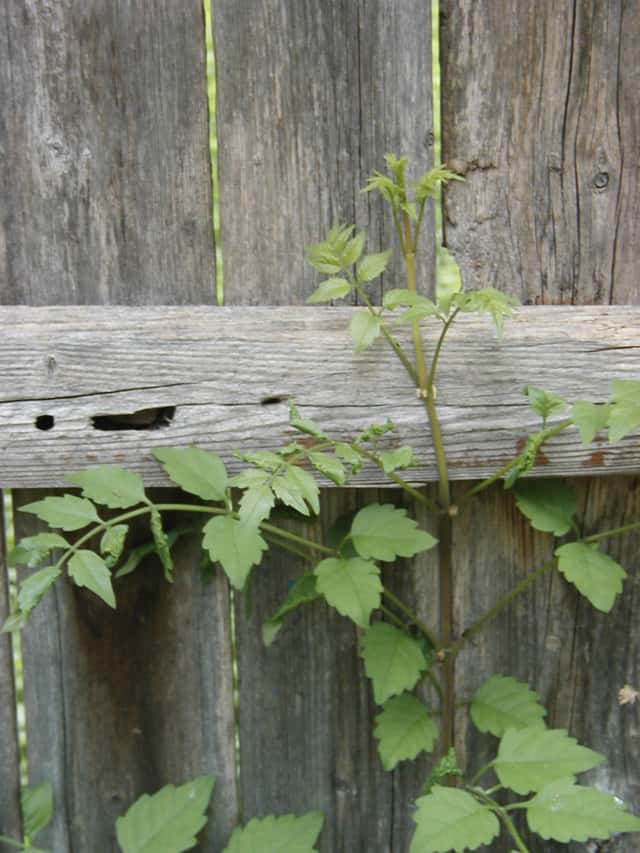
Bignoniaceae
Trumpet Creeper (Campsis radicans) Care Guide
Campsis radicans
Trumpet creeper thrives in full sun with minimal care once established. It tolerates poor, dry soils and needs only occasional deep watering. Prune hard in late winter or early spring to control its vigorous, spreading growth and to encourage the current season's flowering, since blooms form on new wood.
Every 14 days
Bright indirect
° - °C
% - %
Categories
What is Trumpet Creeper?
Trumpet Creeper (Campsis radicans) is a easy-care plant from the Bignoniaceae family. Campsis radicans, commonly known as trumpet creeper or trumpet vine, is a vigorous deciduous woody climber native to the southeastern United States. Valued for its clusters of tubular orange-to-red (occasionally yellow) flowers that bloom from early summer through fall, it is a magnet for hummingbir...
Trumpet Creeper grows up to 12.0m, spread of 300cm, watering every 14 days. It is not suitable for indoor environments and safe for pets.
Unlike many tropical plants, Trumpet Creeper tolerates watering mistakes. Best for beginners. Unlike many popular species, Trumpet Creeper is safe to keep around pets.
How to Care for Trumpet Creeper?
TLDR: Trumpet Creeper needs Bright indirect, watering every 14 days, and temperatures between 15-30°C with 40-70% humidity.
How Often Should You Water Trumpet Creeper?
Water deeply but infrequently; established plants are drought-tolerant and only need supplemental watering during prolonged dry spells.
How Much Light Does Trumpet Creeper Need?
Provide full sun (6+ hours daily) for the best flowering; the vine tolerates partial shade but blooms sparsely there.
What Is the Best Soil for Trumpet Creeper?
Adapts to sandy, clay, or loamy soils as long as drainage is reasonable; avoid waterlogged sites.
What Pot Should You Use for Trumpet Creeper?
Best grown in the ground with a sturdy trellis, arbor, or wall for support; if containerized, use a large, heavy pot to counterbalance its vigorous growth.
What Is Trumpet Creeper and Where Does It Come From?
Campsis radicans, commonly known as trumpet creeper or trumpet vine, is a vigorous deciduous woody climber native to the southeastern United States. Valued for its clusters of tubular orange-to-red (occasionally yellow) flowers that bloom from early summer through fall, it is a magnet for hummingbirds and pollinators. The vine climbs by aerial rootlets and can quickly cover walls, fences, and arbors, reaching 6-12 meters in length. Because it spreads aggressively via underground runners and self-seeding, it is considered invasive in some regions outside its native range and requires regular management. Handle with care when pruning: the sap can cause mild skin irritation (contact dermatitis) in sensitive individuals.
How to Propagate Trumpet Creeper?
Semi-hardwood stem cutting
Use clean, sharp tools and keep humidity high around the cutting to speed rooting.
- 1 Take a 10-15 cm (4-6 in) semi-hardwood cutting with at least one node in late summer
- 2 Remove the lower leaves, leaving a few at the top
- 3 Dip the cut end in rooting hormone
- 4 Plant in a pot with well-draining potting mix and keep consistently moist
- 5 Keep in bright, indirect light until roots form
Materials needed:
Ground layering
Anchor the buried stem with a rock or garden staple so it does not spring back up.
- 1 Choose a flexible, low-growing stem still attached to the parent plant
- 2 Wound the underside of the stem where it will touch the soil
- 3 Bend the stem down and bury the wounded section a few centimeters deep, leaving the tip exposed
- 4 Keep the buried section moist until roots develop
- 5 Cut the rooted section free from the parent plant and transplant
Materials needed:
Root sucker division
Suckers already have roots, so this is the fastest and most reliable propagation method.
- 1 Locate a sucker shoot growing from the parent plant's root system
- 2 Dig around the sucker to expose its own root connection
- 3 Sever it from the parent root with a clean cut
- 4 Transplant immediately to its new location and water well
Materials needed:
Seed propagation
Seedlings can take several years to reach flowering size, so this method is best for patient gardeners.
- 1 Collect mature seed pods in fall
- 2 Extract and clean the seeds
- 3 Cold-stratify the seeds for several weeks in a moist medium in the refrigerator
- 4 Sow in seed-starting mix in spring
- 5 Keep moist and warm until germination
Materials needed:
How Big Does Trumpet Creeper Grow?
TLDR: Trumpet Creeper can reach up to 12.0m tall with Fast growth rate.
Max height
12.0m
Spread
3.0m
Growth rate
Fast
Foliage
Deciduous
Warning: Toxic Plant
This plant can be toxic if ingested. Keep out of reach of:
Plant Uses
Ornamental
Great for decoration
Is your plant showing symptoms?
Click on the symptom to discover possible causes:
What Diseases Commonly Affect Trumpet Creeper?
TLDR: Trumpet Creeper is susceptible to 11 known diseases. Monitor regularly for early detection.
Aphids
Aphids are small, soft-bodied, pear-shaped insects (1/16 to 1/8 inch long) that feed by sucking nutrient-rich sap from plants. They reproduce rapidly and can quickly weaken plants, causing distorted growth and transmitting plant viruses. Aphids come in various colors including green, black, red, yellow, brown, and gray. They secrete honeydew, a sticky substance that attracts ants and encourages sooty mold growth.
Mealybugs
Mealybugs are small, soft-bodied insects covered with a white, waxy, cottony material. They are common pests of houseplants and outdoor plants in mild climates. These sap-sucking insects feed on plant tissue, causing damage, stunted growth, and can lead to plant death if left untreated. They produce sticky honeydew which attracts sooty mold.
Spider Mites
Spider mites are tiny arachnids (less than 1/20 inch long) related to spiders and ticks that feed on plant sap. They thrive in hot, dry conditions and can cause significant damage to ornamental and vegetable plants. During severe infestations, crop losses can reach 14% or higher as these pests disrupt vital plant processes including photosynthesis, carbon dioxide absorption, and transpiration.
Whiteflies
Whiteflies are small, soft-bodied, winged insects closely related to aphids and mealybugs. They are moth-like in appearance, about 1/16 inch long, triangular in shape, and gray-white in color. These sap-sucking pests feed on plant tissue, causing yellowing, stunted growth, and wilting. They also excrete honeydew, which attracts ants and promotes sooty mold growth. Whiteflies can transmit serious plant viruses.
Meaning & Symbolism
In American gardens, trumpet creeper's fiery blooms and hummingbird visitors have made it a symbol of vitality, hospitality, and untamed abundance.
Fun Facts
A single mature vine can grow several feet in one season and reach 6-12 m (20-40 ft) long.
Its tubular flowers are a favorite nectar source for hummingbirds, earning it the nickname "hummingbird vine".
The plant climbs using aerial rootlets that cling directly to walls and bark, no trellis required.
Frequently asked questions
Is trumpet creeper invasive?
Is trumpet creeper toxic?
How much sun does trumpet creeper need?
How do you propagate trumpet creeper?
Compare with similar plants
| Attribute | Difficulty | Light | Watering | Pet Safe |
|---|---|---|---|---|
| Field Maple | Easy | Bright indirect | 14d | ✓ |
| Silver Birch | Easy | Direct sun | 14d | ✓ |
| Common Blanketflower | Easy | Direct sun | 10d | ✓ |
| Cushion Bush | Easy | Direct sun | 14d | ✓ |





