Asparagaceae
Tuberose (Polianthes tuberosa): The Most Fragrant Flower in the Garden
Polianthes tuberosa
Tuberose thrives in full sun with at least 6 hours of direct light daily. Water regularly every 4-6 days during the growing season, ensuring well-drained soil. Fertilize monthly with a balanced fertilizer. In cold climates, lift bulbs after foliage dies back and store them dry for winter.
Every 5 days
Bright indirect
10° - 32°C
40% - 70%
Categories
What is Tuberose?
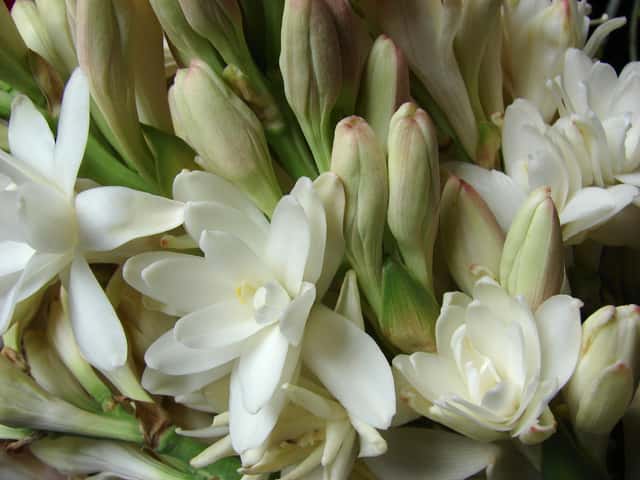
Tuberose (Polianthes tuberosa) is a medium-care plant from the Asparagaceae family. Tuberose (Polianthes tuberosa) is a perennial bulbous plant native to Mexico, celebrated worldwide for its intensely sweet and intoxicating fragrance. Its flowering spikes can reach up to 1 meter in height, bearing clusters of waxy white tubular flowers that bloom from summer through fall. Tuberose...
Tuberose grows up to 1.0m, with spread of 60cm, watering every 5 days, 10°C – 32°C, 40–70% humidity. It is not suitable for indoor environments and not safe for pets.
Without precautions, ingestion can cause irritation in pets. Keep out of reach of cats and dogs.
How to Care for Tuberose?
TLDR: Tuberose needs Bright indirect, watering every 5 days, and temperatures between 10-32°C with 40-70% humidity.
How Often Should You Water Tuberose?
Water every 4 to 6 days throughout the growing season, keeping the soil consistently moist but never waterlogged. Reduce watering as foliage begins to yellow in autumn. Overwatering leads to bulb rot.
How Much Light Does Tuberose Need?
Tuberose demands full sun — at least 6 hours of direct sunlight daily. Place it in the sunniest spot in your garden. Insufficient light will prevent flowering.
What Is the Best Soil for Tuberose?
Plant in well-draining, loamy or sandy soil with a pH between 6.5 and 7.5. Amend with organic matter before planting. Poor drainage leads to bulb rot, the most common tuberose problem.
What Pot Should You Use for Tuberose?
Terracotta or ceramic pot with generous drainage holes. For outdoor planting, use the ground or large containers at least 12 inches in diameter.
Care Schedule
Fertilize
Every 30 days
What Is Tuberose and Where Does It Come From?
Tuberose (Polianthes tuberosa) is a perennial bulbous plant native to Mexico, celebrated worldwide for its intensely sweet and intoxicating fragrance. Its flowering spikes can reach up to 1 meter in height, bearing clusters of waxy white tubular flowers that bloom from summer through fall. Tuberose is a prized ornamental and cut flower plant, widely used in perfumery and traditional ceremonies.
How to Propagate Tuberose?
Offset Separation
Use clean gloves and tools. Larger offsets will flower sooner.
- 1 Dig up the clump of bulbs after foliage has dried back in autumn
- 2 Carefully separate the small offsets from the mother bulb
- 3 Allow bulbs to dry for a few days in a cool, airy spot
- 4 Replant offsets in spring at 2 inches depth and 6-8 inches apart
- 5 Small offsets may take 1-2 years to flower
Materials needed:
Tuber Division
Ensure each division has at least one visible growing point.
- 1 Dig up tubers at the end of autumn
- 2 Clean soil off and cut individual shoots with a sterilized knife
- 3 Allow cut surfaces to callous for 24-48 hours
- 4 Plant in spring at 2 inches depth
Materials needed:
How Big Does Tuberose Grow?
TLDR: Tuberose can reach up to 1.0m tall with Medium growth rate.
Max height
1.0m
Spread
60cm
Growth rate
Medium
Foliage
Deciduous
Warning: Toxic Plant
This plant can be toxic if ingested. Keep out of reach of:
Plant Uses
Ornamental
Great for decoration
Aromatic
Pleasant fragrance
Medicinal
Medicinal properties
Medicinal Uses
- Essential oil used in aromatherapy and phytotherapy
- Rhizome extract used in traditional Mexican medicine for digestive conditions
Is your plant showing symptoms?
Click on the symptom to discover possible causes:
What Diseases Commonly Affect Tuberose?
TLDR: Tuberose is susceptible to 9 known diseases. Monitor regularly for early detection.
Root Rot
Root rot is a serious fungal disease that affects the root system of plants, causing them to decay and die. It is primarily caused by overwatering, poor drainage, or soil-borne fungi such as Pythium, Phytophthora, Rhizoctonia, and Fusarium. The disease thrives in waterlogged conditions where roots are deprived of oxygen, making them susceptible to fungal infection.
Leaf Spot
Leaf spot is a common fungal disease caused by various pathogens including Alternaria, Ascochyta, Colletotrichum, Septoria, and Venturia. It primarily affects leaves, causing discolored spots that can lead to premature leaf drop if left untreated.
Gray Mold (Botrytis Blight)
Gray mold, caused by the fungus Botrytis cinerea, is one of the most common fungal diseases in plants. It affects over 200 plant species, including ornamentals, vegetables, fruits, and houseplants. The disease thrives in cool, humid conditions with poor air circulation, causing grayish spots and soft rot on infected tissues.
Aphids
Aphids are small, soft-bodied, pear-shaped insects (1/16 to 1/8 inch long) that feed by sucking nutrient-rich sap from plants. They reproduce rapidly and can quickly weaken plants, causing distorted growth and transmitting plant viruses. Aphids come in various colors including green, black, red, yellow, brown, and gray. They secrete honeydew, a sticky substance that attracts ants and encourages sooty mold growth.
Meaning & Symbolism
In Victorian flower language, tuberose symbolizes dangerous pleasure and forbidden love. In Mexican pre-Hispanic culture, it held deep spiritual significance and was used in funerary ceremonies. It is universally associated with seduction and sensuality.
Fun Facts
Tuberose is one of the most widely used flowers in fine perfumery, appearing as a key ingredient in iconic fragrances from Dior, Chanel, and Guerlain.
Native to Mexico, tuberose was cultivated by the Aztecs for ceremonial and medicinal purposes long before Spanish colonization.
A single tuberose spike can produce 15 to 30 flowers that open gradually over several weeks, extending the display.
Its genus name Polianthes derives from Greek, meaning bright flower or many flowers.
Frequently asked questions
How often should I water tuberose?
How much sun does tuberose need?
When does tuberose bloom?
Is tuberose toxic to pets?
How do I store tuberose bulbs in winter?
Compare with similar plants
| Attribute | Difficulty | Light | Watering | Pet Safe |
|---|---|---|---|---|
| Snake Plant | Easy | Low light | 14d | ⚠️ |
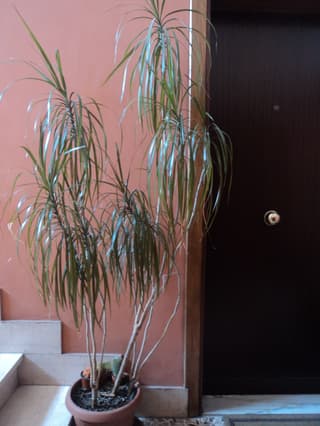
| Dragon Tree | Easy | Partial shade | 10d | ⚠️ |
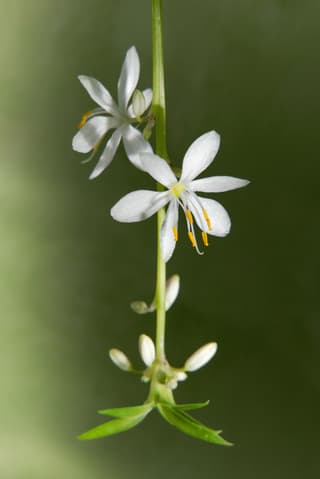
| Spider Plant | Easy | Partial shade | 8d | ✓ |
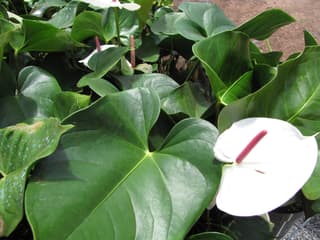
| Flamingo Flower | Medium | Partial shade | 5d | ⚠️ |