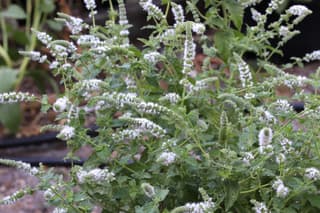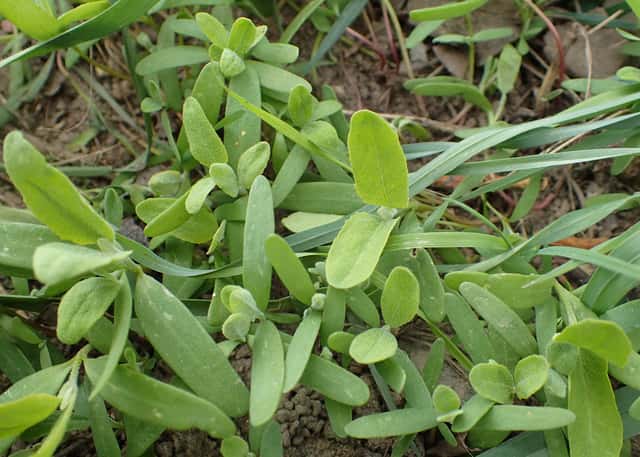
Amaranthaceae
Common Orache – Atriplex patula
Atriplex patula
Very low maintenance. Grows best in full sun with infrequent watering. Tolerates drought, coastal salt spray, and poor soils. No fertiliser required on average garden soils. Direct sow outdoors after last frost.
Every 10 days
Bright indirect
-5° - 35°C
30% - 70%
Categories
What is Common Orache?
Common Orache (Atriplex patula) is a easy-care plant from the Amaranthaceae family. Common Orache (Atriplex patula) is an annual herb in the family Amaranthaceae, native to coastal margins, disturbed ground, and open fields across Europe, Asia, and North America. A facultative halophyte, it thrives in saline, sandy, and alkaline soils where few plants compete. Its arrowhead-shaped...
Common Orache grows up to 1.2m, spread of 60cm, watering every 10 days, -5°C – 35°C, 30–70% humidity. It is not suitable for indoor environments and safe for pets.
Unlike many tropical plants, Common Orache tolerates watering mistakes. Best for beginners. Unlike many popular species, Common Orache is safe to keep around pets.
How to Care for Common Orache?
TLDR: Common Orache needs Bright indirect, watering every 10 days, and temperatures between -5-35°C with 30-70% humidity.
How Often Should You Water Common Orache?
Water sparingly; allow soil to dry completely between waterings. Drought-tolerant once established. Avoid waterlogging, which promotes root rot.
How Much Light Does Common Orache Need?
Full sun essential — minimum 6 hours of direct sunlight daily. More sun results in bushier growth and better leaf production.
What Is the Best Soil for Common Orache?
Sandy, well-drained, or loamy soil preferred. Tolerates saline and alkaline conditions. Avoid heavy clay or waterlogged soils.
What Pot Should You Use for Common Orache?
Terracotta or clay pot with drainage holes, minimum 20 cm diameter. Ensure free drainage to prevent root rot.
Care Schedule
Fertilize
Every 14 days
Misting
Every 3 days
Rotate
Every 7 days
Repot
Every 365 days
What Is Common Orache and Where Does It Come From?
Common Orache (Atriplex patula) is an annual herb in the family Amaranthaceae, native to coastal margins, disturbed ground, and open fields across Europe, Asia, and North America. A facultative halophyte, it thrives in saline, sandy, and alkaline soils where few plants compete. Its arrowhead-shaped leaves are edible and have been used for centuries as a leafy green vegetable similar to spinach. Fast-growing and highly adaptable, it is valued both as a foraged wild food and as an indicator of nitrogen-rich, disturbed habitats.
How Big Does Common Orache Grow?
TLDR: Common Orache can reach up to 1.2m tall with Fast growth rate.
Max height
1.2m
Spread
60cm
Growth rate
Fast
Foliage
Deciduous
Plant Uses
Edible
Can be consumed
Medicinal
Medicinal properties
Ground Cover
Soil coverage
Medicinal Uses
- Traditionally used in European folk medicine as a mild diuretic and blood cleanser. Leaf poultices applied to minor skin inflammations and insect bites.
Culinary Uses
- Young leaves eaten raw in salads or cooked as a spinach substitute. Seeds ground into flour for traditional breads in parts of rural Europe. Blanching reduces natural saltiness.
Is your plant showing symptoms?
Click on the symptom to discover possible causes:
What Diseases Commonly Affect Common Orache?
TLDR: Common Orache is susceptible to 5 known diseases. Monitor regularly for early detection.
Downy Mildew
Downy mildew is a fungal-like disease caused by oomycetes (water molds) that thrives in cool, wet conditions. It affects a wide range of plants, causing yellowing leaves with fuzzy white-gray growth underneath, leading to defoliation and reduced yields if left untreated.
Aphids
Aphids are small, soft-bodied, pear-shaped insects (1/16 to 1/8 inch long) that feed by sucking nutrient-rich sap from plants. They reproduce rapidly and can quickly weaken plants, causing distorted growth and transmitting plant viruses. Aphids come in various colors including green, black, red, yellow, brown, and gray. They secrete honeydew, a sticky substance that attracts ants and encourages sooty mold growth.
Leaf Spot
Leaf spot is a common fungal disease caused by various pathogens including Alternaria, Ascochyta, Colletotrichum, Septoria, and Venturia. It primarily affects leaves, causing discolored spots that can lead to premature leaf drop if left untreated.
Rust
Rust is a common fungal disease caused by fungi in the order Pucciniales that affects a wide variety of plants. The disease gets its name from the characteristic orange, yellow, or reddish-brown pustules that appear on leaves, resembling metal rust. This obligate fungal parasite requires living plants to survive and can cause significant economic losses in agricultural crops.
Fun Facts
One of the few plants able to accumulate salt on its leaf surface, giving fresh leaves a naturally mild salty flavour without cooking.
Its seeds have been found in Bronze Age archaeological sites across Europe, suggesting ancient use as a food crop.
Common Orache can complete its full life cycle — from germination to seed set — in as little as 60 days under optimal conditions.
Frequently asked questions
Are the leaves of Common Orache safe to eat?
Can it grow in salty coastal soil?
How quickly does it grow?
Compare with similar plants
| Attribute | Difficulty | Light | Watering | Pet Safe |
|---|---|---|---|---|
| Field Maple | Easy | Bright indirect | 14d | ✓ |
| Silver Birch | Easy | Direct sun | 14d | ✓ |
| Cushion Bush | Easy | Direct sun | 14d | ✓ |
| Peruvian peppertree | Easy | Direct sun | 14d | ⚠️ |