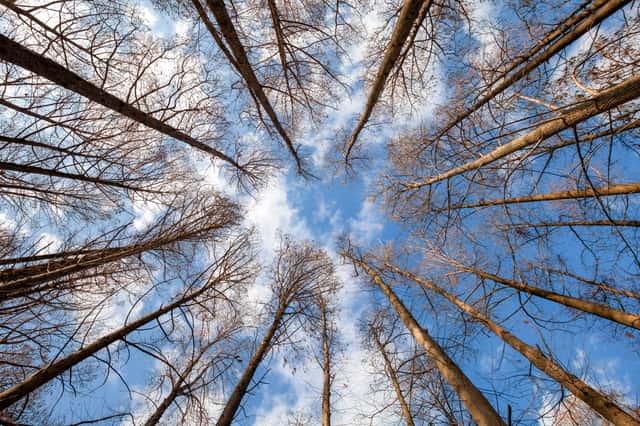
Cupressaceae
Dawn Redwood: Full Sun Plant
Metasequoia glyptostroboides
Low-maintenance outdoor plant. Requires full sun, moist well-drained soil, and regular watering during dry periods. Tolerates temporarily waterlogged soils and severe frosts (down to -30°C). Not suitable for indoors. Grows very quickly—up to 1.5 m per year under ideal conditions.
Every 7 days
Direct sun
-30° - 35°C
50% - 80%
Categories
What is Dawn Redwood?
Dawn Redwood (Metasequoia glyptostroboides) is a easy-care plant from the Cupressaceae family. Metasequoia glyptostroboides, known as the Dawn Redwood, is a fast-growing, large deciduous conifer native to the mountain forests of central China. Considered extinct for millennia—known only from fossil records—it was rediscovered alive in 1941 in Hubei province, becoming one of the most remarkabl...
Dawn Redwood grows up to 30.0m, spread of 760cm, watering every 7 days, -30°C – 35°C, 50–80% humidity. It is not suitable for indoor environments and safe for pets.
Unlike many tropical plants, Dawn Redwood tolerates watering mistakes. Best for beginners. Unlike many popular species, Dawn Redwood is safe to keep around pets.
How to Care for Dawn Redwood?
TLDR: Dawn Redwood needs Direct sun, watering every 7 days, and temperatures between -30-35°C with 50-80% humidity.
How Often Should You Water Dawn Redwood?
Water regularly during spring and summer, keeping the soil uniformly moist. Young trees need more frequent watering; mature specimens tolerate short periods of drought. Significantly reduce watering in winter during dormancy. Avoid persistent waterlogging of the roots, as it can promote rot. Mulching around the base helps retain moisture and regulate soil temperature.
How Much Light Does Dawn Redwood Need?
Requires full sun exposure—at least 6 hours of direct sunlight per day. In climates with very hot and dry summers, it appreciates some shade during the hottest hours of the day. It does not tolerate permanent shade, which results in weak growth and a sparse canopy.
What Is the Best Soil for Dawn Redwood?
Prefers loamy soils rich in organic matter, slightly acidic to neutral (pH 5.5–7.5). Tolerates clay, sand, and temporarily flooded soils. Avoid highly alkaline or compacted soils. Incorporate organic compost at the time of planting to improve moisture retention and soil structure.
Care Schedule
Fertilize
Every 60 days
Repot
Every 730 days
What Is Dawn Redwood and Where Does It Come From?
Metasequoia glyptostroboides, known as the Dawn Redwood, is a fast-growing, large deciduous conifer native to the mountain forests of central China. Considered extinct for millennia—known only from fossil records—it was rediscovered alive in 1941 in Hubei province, becoming one of the most remarkable botanical finds of the 20th century. It is the only extant species in the genus Metasequoia. In spring and summer, it displays delicate, light green foliage similar to ferns; in autumn, it transforms into stunning shades of orange and copper before shedding all its leaves. The mature trunk develops deeply fissured, reddish-brown bark. It can reach up to 30 meters in height in gardens and parks, with an elegantly pyramidal habit.
How to Propagate Dawn Redwood?
How Big Does Dawn Redwood Grow?
TLDR: Dawn Redwood can reach up to 30.0m tall with Fast growth rate.
Max height
30.0m
Spread
7.6m
Growth rate
Fast
Foliage
Deciduous
Plant Uses
Ornamental
Great for decoration
Is your plant showing symptoms?
Click on the symptom to discover possible causes:
What Diseases Commonly Affect Dawn Redwood?
TLDR: Dawn Redwood is susceptible to 4 known diseases. Monitor regularly for early detection.
Rust
Rust is a common fungal disease caused by fungi in the order Pucciniales that affects a wide variety of plants. The disease gets its name from the characteristic orange, yellow, or reddish-brown pustules that appear on leaves, resembling metal rust. This obligate fungal parasite requires living plants to survive and can cause significant economic losses in agricultural crops.
Canker
Canker is a disease caused by various fungi and bacteria that create necrotic, sunken areas on bark of branches, stems, and trunks. Pathogens enter through wounds and natural openings, especially when plants are stressed. Canker can gradually weaken or kill branches by disrupting water and nutrient flow.
Aphids
Aphids are small, soft-bodied, pear-shaped insects (1/16 to 1/8 inch long) that feed by sucking nutrient-rich sap from plants. They reproduce rapidly and can quickly weaken plants, causing distorted growth and transmitting plant viruses. Aphids come in various colors including green, black, red, yellow, brown, and gray. They secrete honeydew, a sticky substance that attracts ants and encourages sooty mold growth.
Powdery Mildew
Powdery mildew is a common fungal disease caused by various fungi species including Erysiphe, Podosphaera, Oïdium, and Leveillula. It affects over 10,000 plant species worldwide. The disease thrives in warm, dry climates with high humidity and appears as a distinctive white powdery coating on plant surfaces.
Meaning & Symbolism
Known as a "living fossil," the Dawn Redwood is a powerful symbol of resilience, survival, and connection to Earth's deep history. Its rediscovery in the modern era became an icon of botanical hope—proof that nature can surprise and persevere through geological ages.
Compare with similar plants
| Attribute | Difficulty | Light | Watering | Pet Safe |
|---|---|---|---|---|
| Field Maple | Easy | Bright indirect | 14d | ✓ |
| Silver Birch | Easy | Direct sun | 14d | ✓ |
| Cushion Bush | Easy | Direct sun | 14d | ✓ |
| Peruvian peppertree | Easy | Direct sun | 14d | ⚠️ |





