Grossulariaceae
Gooseberry: Edible Plant
Ribes uva-crispa
Gooseberries thrive best in full sun or light partial shade, in fertile, humus-rich, well-draining soil with a pH of 5.5–6.5. They require regular watering every 7–14 days—the soil should be consistently slightly moist, but without waterlogging. Fertilize in early spring and every approximately 90 days during the growing season. Pruning is done annually (after harvest or in early spring), removing old and crowded shoots. It does not require misting or repotting. Susceptible to gooseberry powdery mildew, anthracnose, and gray mold—good air circulation is essential.
Every 10 days
Bright indirect
-20° - 32°C
40% - 75%
Categories
What is Gooseberry?
Gooseberry (Ribes uva-crispa) is a easy-care plant from the Grossulariaceae family. Ribes uva-crispa, commonly known as gooseberry, is a perennial fruit shrub from the Grossulariaceae family, widely cultivated in gardens across Europe and temperate zones. The shrub reaches 1–1.5 m in height and similar width, forming dense, thorny shoots covered with sharp spines. The leaves are pa...
Gooseberry grows up to 1.5m, spread of 150cm, watering every 10 days, -20°C – 32°C, 40–75% humidity. It is not suitable for indoor environments and safe for pets.
Unlike many tropical plants, Gooseberry tolerates watering mistakes. Best for beginners. Unlike many popular species, Gooseberry is safe to keep around pets.
How to Care for Gooseberry?
TLDR: Gooseberry needs Bright indirect, watering every 10 days, and temperatures between -20-32°C with 40-75% humidity.
How Often Should You Water Gooseberry?
Water regularly every 7–14 days, maintaining consistent, moderate soil moisture. Water more frequently during droughts and fruit ripening. Avoid overwatering and waterlogging—wet soil promotes fungal diseases and root rot. Mulching around the shrub helps retain moisture and suppress weeds.
How Much Light Does Gooseberry Need?
Gooseberries yield the best crops in full sun (minimum 6 hours of direct sunlight daily). They tolerate light partial shade, but fruiting will be weaker and fruits smaller. Avoid deep shade and locations exposed to strong easterly winds.
What Is the Best Soil for Gooseberry?
It grows best in fertile, humus-rich, light or loamy soil with good drainage and moderate moisture. Optimal pH: 5.5–6.5. Before planting, enrich the soil with compost or manure. Avoid compacted and waterlogged soils—gooseberry roots are sensitive to persistent excess water.
Care Schedule
Fertilize
Every 90 days
What Is Gooseberry and Where Does It Come From?
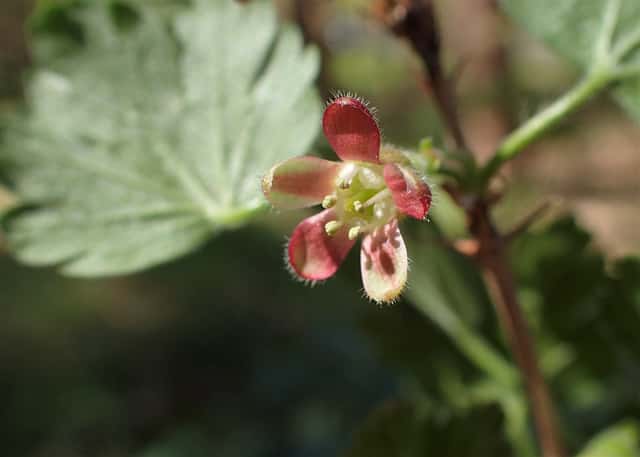
Ribes uva-crispa, commonly known as gooseberry, is a perennial fruit shrub from the Grossulariaceae family, widely cultivated in gardens across Europe and temperate zones. The shrub reaches 1–1.5 m in height and similar width, forming dense, thorny shoots covered with sharp spines. The leaves are palmately lobed and dark green. In spring (April–May), small, yellowish-green or pinkish flowers appear, from which oval berries develop—green, yellow, pink, or red depending on the variety. The fruits ripen in July and are exceptionally rich in vitamin C, B1, and pectins. Gooseberry is distinguished by its excellent frost resistance (up to -20°C) and is one of the most popular fruit shrubs in temperate gardens.
How to Propagate Gooseberry?
How Big Does Gooseberry Grow?
TLDR: Gooseberry can reach up to 1.5m tall with Medium growth rate.
Max height
1.5m
Spread
1.5m
Growth rate
Medium
Foliage
Deciduous
Plant Uses
Edible
Can be consumed
Medicinal
Medicinal properties
Ornamental
Great for decoration
Medicinal Uses
- Fruits have a mild laxative effect and support digestion
- Leaves contain tannins with astringent properties—traditionally used for diarrhea and inflammation
- Gooseberry juice traditionally used for gout and rheumatism
- Rich in vitamin C—strengthens immunity and acts as a spring tonic
- Fruits contain iron, vitamins C, B1, PP, A, and organic acids beneficial for intestinal function
Culinary Uses
- Fruits eaten raw (ripe, sweet varieties) or processed: jams, preserves, juices, jellies, wine
- A classic ingredient in fruit tarts, crumbles, and desserts in European cuisine
- In English tradition, gooseberry is an ingredient in mackerel sauce
- Unripe, tart berries are ideal for preserves and compotes
- Young leaves can be eaten raw in salads
Is your plant showing symptoms?
Click on the symptom to discover possible causes:
What Diseases Commonly Affect Gooseberry?
TLDR: Gooseberry is susceptible to 7 known diseases. Monitor regularly for early detection.
Powdery Mildew
Powdery mildew is a common fungal disease caused by various fungi species including Erysiphe, Podosphaera, Oïdium, and Leveillula. It affects over 10,000 plant species worldwide. The disease thrives in warm, dry climates with high humidity and appears as a distinctive white powdery coating on plant surfaces.
Anthracnose
Anthracnose is a fungal disease caused by fungi in the genus Colletotrichum that affects many plants, including vegetables, fruits, and trees. The disease thrives in cool, wet conditions, causing dark, sunken lesions on leaves, stems, flowers, and fruits.
Botrytis
Aphids
Aphids are small, soft-bodied, pear-shaped insects (1/16 to 1/8 inch long) that feed by sucking nutrient-rich sap from plants. They reproduce rapidly and can quickly weaken plants, causing distorted growth and transmitting plant viruses. Aphids come in various colors including green, black, red, yellow, brown, and gray. They secrete honeydew, a sticky substance that attracts ants and encourages sooty mold growth.
Meaning & Symbolism
Gooseberry symbolizes perseverance and resilience—despite its thorny shoots and harsh climate, the shrub yields abundant fruit annually. In folk tradition, it is considered a sympathetic plant that promotes health.
Compare with similar plants
| Attribute | Difficulty | Light | Watering | Pet Safe |
|---|---|---|---|---|
| Field Maple | Easy | Bright indirect | 14d | ✓ |
| Silver Birch | Easy | Direct sun | 14d | ✓ |
| Cushion Bush | Easy | Direct sun | 14d | ✓ |
| Peruvian peppertree | Easy | Direct sun | 14d | ⚠️ |





