Apiaceae
Wild Carrot (Daucus): Complete Plant Care Guide
Daucus
Wild carrot is a low-maintenance biennial or short-lived perennial. It prefers full sun and well-draining soil and is highly drought-tolerant once established. Minimal watering, no indoor cultivation, and occasional deadheading to prevent self-seeding are the key care points.
Every 7 days
Direct sun
-15° - 35°C
30% - 70%
Categories
What is Wild Carrot?
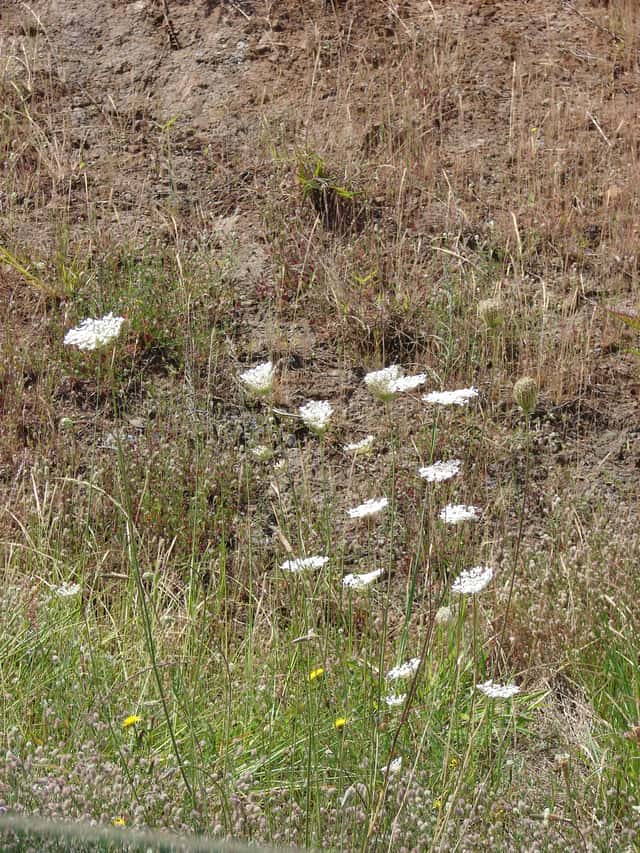
Wild Carrot (Daucus) is a easy-care plant from the Apiaceae family. Daucus is a genus of flowering plants in the family Apiaceae, best known for Daucus carota (wild carrot), the ancestor of the cultivated carrot. Native to temperate regions of Europe, northern Africa, and Asia, wild carrot produces delicate, lacy white umbels of flowers and a slender, pale taproot....
Wild Carrot grows up to 1.2m, spread of 60cm, watering every 7 days, -15°C – 35°C, 30–70% humidity. It is not suitable for indoor environments and safe for pets.
Unlike many tropical plants, Wild Carrot tolerates watering mistakes. Best for beginners. Unlike many popular species, Wild Carrot is safe to keep around pets.
How to Care for Wild Carrot?
TLDR: Wild Carrot needs Direct sun, watering every 7 days, and temperatures between -15-35°C with 30-70% humidity.
How Often Should You Water Wild Carrot?
Water young plants once a week until established; mature plants are drought-tolerant and generally only need watering during prolonged dry spells. Avoid waterlogged soil as it encourages root rot.
How Much Light Does Wild Carrot Need?
Wild carrot demands full sun — at least 6–8 hours of direct sunlight per day. It will flower less prolifically in partial shade. Choose the sunniest spot in the garden.
What Is the Best Soil for Wild Carrot?
Plant in well-draining, loose soil. Sandy or loamy soils are ideal. Avoid heavy clay or waterlogged ground. A neutral to slightly acidic pH of 5.5–7.0 suits it well.
What Pot Should You Use for Wild Carrot?
No pot recommended — wild carrot is a garden and meadow plant best grown in open ground with deep, unrestricted soil for its taproot.
What Is Wild Carrot and Where Does It Come From?
Daucus is a genus of flowering plants in the family Apiaceae, best known for Daucus carota (wild carrot), the ancestor of the cultivated carrot. Native to temperate regions of Europe, northern Africa, and Asia, wild carrot produces delicate, lacy white umbels of flowers and a slender, pale taproot. It thrives in meadows, roadsides, and disturbed ground, and has naturalized across much of North America and Australia.
How to Propagate Wild Carrot?
Seed Sowing
Direct sowing outdoors is far more successful than starting indoors; wild carrot dislikes transplanting.
- 1 Collect seeds from dried flower heads in autumn
- 2 Cold stratify seeds in damp paper for 4 weeks in the refrigerator
- 3 Sow directly in the garden in early spring or autumn
- 4 Keep soil moist until germination; thin seedlings to 15 cm apart
Materials needed:
How Big Does Wild Carrot Grow?
TLDR: Wild Carrot can reach up to 1.2m tall with Medium growth rate.
Max height
1.2m
Spread
60cm
Growth rate
Medium
Foliage
Deciduous
Plant Uses
Ornamental
Great for decoration
Edible
Can be consumed
Medicinal
Medicinal properties
Medicinal Uses
- Seeds used historically as a contraceptive; root decoctions used in folk medicine for diuretic and digestive effects (not for self-medication)
Culinary Uses
- Young roots edible raw or cooked; flowers battered and fried as fritters; young leaves used sparingly in salads
Is your plant showing symptoms?
Click on the symptom to discover possible causes:
What Diseases Commonly Affect Wild Carrot?
TLDR: Wild Carrot is susceptible to 9 known diseases. Monitor regularly for early detection.
Alternaria Leaf Spot
Alternaria leaf spot is a common fungal disease caused by Alternaria solani and Alternaria alternata that affects a wide range of plants including tomatoes, potatoes, brassicas, and ornamentals. The disease thrives in warm, humid conditions and can cause significant crop damage if left untreated. Spores overwinter on plant debris and can attach to seeds, making complete elimination difficult.
Cercospora Leaf Spot
Cercospora leaf spot is a common fungal disease caused by Cercospora species that affects many plant types, particularly beets, roses, and leafy vegetables. The disease thrives in warm, humid conditions and can cause significant defoliation, reducing plant vigor and yield. It spreads rapidly through water splash, wind, and contaminated tools.
Powdery Mildew
Powdery mildew is a common fungal disease caused by various fungi species including Erysiphe, Podosphaera, Oïdium, and Leveillula. It affects over 10,000 plant species worldwide. The disease thrives in warm, dry climates with high humidity and appears as a distinctive white powdery coating on plant surfaces.
Bacterial Soft Rot
Bacterial soft rot is a destructive plant disease caused primarily by bacteria from the genera Pectobacterium (formerly Erwinia) and Dickeya. These bacteria produce enzymes that break down plant cell walls, causing rapid and foul-smelling tissue decomposition. It mainly affects succulent tissues such as tubers, fruits, stems, and bulbs, being especially problematic in warm and humid conditions.
Meaning & Symbolism
The intricate lace-like umbels symbolize delicacy, femininity, and sanctuary in flower language. The rare dark central floret is traditionally said to represent a drop of Queen Anne's blood from her needle during lacework.
Fun Facts
Wild carrot is the direct ancestor of the modern cultivated carrot (Daucus carota subsp. sativus), first domesticated around 900 AD in Central Asia.
The distinctive dark purple floret at the center of the flower umbel is present in only about 1 in 1000 plants.
Its seed head curls inward as it dries, forming the distinctive 'bird's nest' shape that gives it one of its common names.
Wild carrot produces falcarinol, a natural antifungal compound that also shows potential anti-cancer properties in laboratory studies.
Frequently asked questions
How often should I water wild carrot?
Is wild carrot toxic to pets?
Can I grow wild carrot indoors?
How do I prevent wild carrot from spreading too aggressively?
What are the most common problems with wild carrot?
Compare with similar plants
| Attribute | Difficulty | Light | Watering | Pet Safe |
|---|---|---|---|---|
| Field Maple | Easy | Bright indirect | 14d | ✓ |
| Silver Birch | Easy | Direct sun | 14d | ✓ |
| Cushion Bush | Easy | Direct sun | 14d | ✓ |
| Peruvian peppertree | Easy | Direct sun | 14d | ⚠️ |