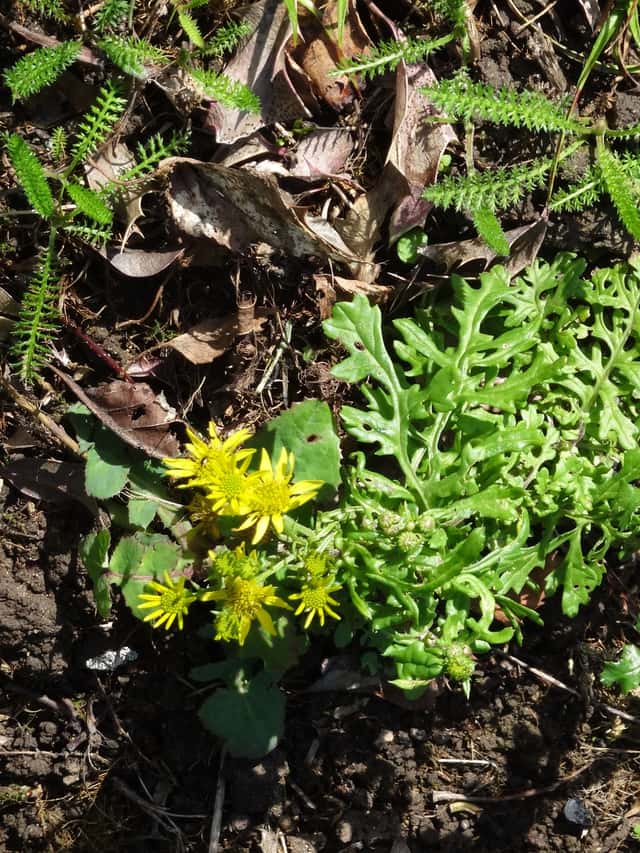
Asteraceae
Oxford Ragwort – Complete Plant Care Guide
Senecio squalidus
Oxford Ragwort is an exceptionally low-maintenance plant that thrives in full sun and well-drained, even poor soils. Water sparingly — once a week or less — mimicking the dry rocky habitats of its Sicilian homeland. No fertiliser is needed; enrich the soil too much and the plant loses its characteristic compact form. Deadhead spent flowers to extend the blooming season and limit self-seeding. Keep away from animals and children due to its severe liver toxicity.
Every 7 days
Direct sun
-10° - 35°C
30% - 60%
Categories
What is Oxford Ragwort?
Oxford Ragwort (Senecio squalidus) is a easy-care plant from the Asteraceae family. Oxford Ragwort (Senecio squalidus) is a bright yellow-flowered wildflower in the daisy family Asteraceae, native to rocky volcanic slopes of Sicily and southeastern Europe. It is a short-lived perennial or biennial that naturalised spectacularly across Britain, spreading along railway lines from Oxf...
Oxford Ragwort grows up to 1.0m, spread of 40cm, watering every 7 days, -10°C – 35°C, 30–60% humidity. It is not suitable for indoor environments and not safe for pets.
Unlike many tropical plants, Oxford Ragwort tolerates watering mistakes. Best for beginners. Without precautions, ingestion can cause irritation in pets. Keep out of reach of cats and dogs.
How to Care for Oxford Ragwort?
TLDR: Oxford Ragwort needs Direct sun, watering every 7 days, and temperatures between -10-35°C with 30-60% humidity.
How Often Should You Water Oxford Ragwort?
Water sparingly, approximately once every 7–10 days. Oxford Ragwort is highly drought-tolerant and evolved on dry volcanic rock; its biggest enemy is waterlogged soil, which quickly leads to root rot. Allow the soil to dry out almost completely between waterings. In winter or during rain, reduce frequency further.
How Much Light Does Oxford Ragwort Need?
Oxford Ragwort demands full sun — at least 6 hours of direct sunlight daily. It thrives in bright outdoor positions: sunny borders, gravel gardens, walls, or containers on south-facing aspects. Insufficient light causes leggy, weak growth and reduced flowering. This is not a shade-tolerant plant.
What Is the Best Soil for Oxford Ragwort?
Choose a gritty, free-draining compost or mix standard potting soil with plenty of perlite or grit. Oxford Ragwort naturally colonises rocky, nutrient-poor ground and performs best in lean soil with a pH of 5.5–7.5. Avoid heavy, moisture-retentive mixes; good drainage is non-negotiable.
What Pot Should You Use for Oxford Ragwort?
Terracotta or unglazed clay pot with drainage holes — these naturally wick away excess moisture, mimicking the plant's dry rocky habitat. Avoid glazed ceramic or plastic pots that retain moisture. For borders, no pot is needed; plant directly into well-drained or gravelly soil.
What Is Oxford Ragwort and Where Does It Come From?
Oxford Ragwort (Senecio squalidus) is a bright yellow-flowered wildflower in the daisy family Asteraceae, native to rocky volcanic slopes of Sicily and southeastern Europe. It is a short-lived perennial or biennial that naturalised spectacularly across Britain, spreading along railway lines from Oxford during the 19th and 20th centuries. Its cheerful golden daisy-like blooms appear almost year-round — from early spring through to autumn — and the plant thrives on neglect, colonising walls, rubble, and disturbed ground with ease. Although striking in appearance, all parts of the plant contain pyrrolizidine alkaloids, rendering it severely toxic to livestock, pets, and humans if ingested.
How to Propagate Oxford Ragwort?
Seed propagation
Oxford Ragwort self-seeds prolifically — a single plant can produce around 10,000 seeds. Control spread by deadheading promptly. Use gloves when handling the plant to avoid skin irritation.
- 1 Collect seeds from dried flower heads in autumn or purchase from specialist suppliers
- 2 Surface-sow seeds onto moist, gritty compost — do not cover, as light aids germination
- 3 Place in a bright, warm spot at 15–20°C and keep lightly moist until germination
- 4 Thin seedlings to avoid overcrowding and transplant outdoors after last frost
Materials needed:
How Big Does Oxford Ragwort Grow?
TLDR: Oxford Ragwort can reach up to 1.0m tall with Medium growth rate.
Max height
1.0m
Spread
40cm
Growth rate
Medium
Foliage
Semi-evergreen
Warning: Toxic Plant
This plant can be toxic if ingested. Keep out of reach of:
Plant Uses
Ornamental
Great for decoration
Is your plant showing symptoms?
Click on the symptom to discover possible causes:
What Diseases Commonly Affect Oxford Ragwort?
TLDR: Oxford Ragwort is susceptible to 5 known diseases. Monitor regularly for early detection.
Powdery Mildew
Powdery mildew is a common fungal disease caused by various fungi species including Erysiphe, Podosphaera, Oïdium, and Leveillula. It affects over 10,000 plant species worldwide. The disease thrives in warm, dry climates with high humidity and appears as a distinctive white powdery coating on plant surfaces.
Root Rot
Root rot is a serious fungal disease that affects the root system of plants, causing them to decay and die. It is primarily caused by overwatering, poor drainage, or soil-borne fungi such as Pythium, Phytophthora, Rhizoctonia, and Fusarium. The disease thrives in waterlogged conditions where roots are deprived of oxygen, making them susceptible to fungal infection.
Scale Insects
Scale insects are small sap-sucking pests that appear as brown, shell-like bumps on plant stems and leaves. There are over 25 species, divided into armored (hard) and unarmored (soft) scales. They feed by piercing plant tissue and extracting sap, which weakens the plant and can lead to yellowing, stunted growth, and even death if left untreated. They also excrete honeydew, which attracts ants and promotes sooty mold growth.
Mealybugs
Mealybugs are small, soft-bodied insects covered with a white, waxy, cottony material. They are common pests of houseplants and outdoor plants in mild climates. These sap-sucking insects feed on plant tissue, causing damage, stunted growth, and can lead to plant death if left untreated. They produce sticky honeydew which attracts sooty mold.
Meaning & Symbolism
Oxford Ragwort became a symbol of urban resilience in Britain — it famously spread across bombed-out WWII rubble and along railway networks, reclaiming desolate urban landscapes with vibrant yellow blooms. It represents nature's tenacity and the power of life to flourish in the most inhospitable places.
Fun Facts
Oxford Ragwort famously spread across Britain along railway lines — the fluffy seeds rode the turbulent air currents created by passing steam trains, dispersing up to 150 km from Oxford
A single Oxford Ragwort plant produces approximately 10,000 seeds annually, making it one of the most prolific self-seeders in the UK flora
Oxford Ragwort is a hybrid between two Sicilian subspecies and was first recorded growing wild outside Oxford's Botanic Garden walls in the 1790s
The plant contains pyrrolizidine alkaloids that cause cumulative, irreversible liver damage — the poison is not destroyed by drying or cooking
Frequently asked questions
Is Oxford Ragwort toxic to pets?
How often should I water Oxford Ragwort?
Why is my Oxford Ragwort not flowering?
Can Oxford Ragwort be grown indoors?
How do I control Oxford Ragwort from spreading?
Compare with similar plants
| Attribute | Difficulty | Light | Watering | Pet Safe |
|---|---|---|---|---|
| Field Maple | Easy | Bright indirect | 14d | ✓ |
| Silver Birch | Easy | Direct sun | 14d | ✓ |
| Cushion Bush | Easy | Direct sun | 14d | ✓ |
| Wild Lettuce | Medium | Direct sun | 7d | ⚠️ |





