Plantaginaceae
Spiked Speedwell – Veronica spicata Complete Care Guide
Veronica spicata
Plant in full sun in well-drained soil. Water moderately every 7 days during dry spells; established plants are fairly drought-tolerant. Fertilize monthly during the growing season. Deadhead spent flower spikes to encourage repeat blooming. Divide clumps every 2-3 years to maintain vigour.
Every 7 days
Bright indirect
-20° - 24°C
30% - 50%
Categories
What is Spiked Speedwell?
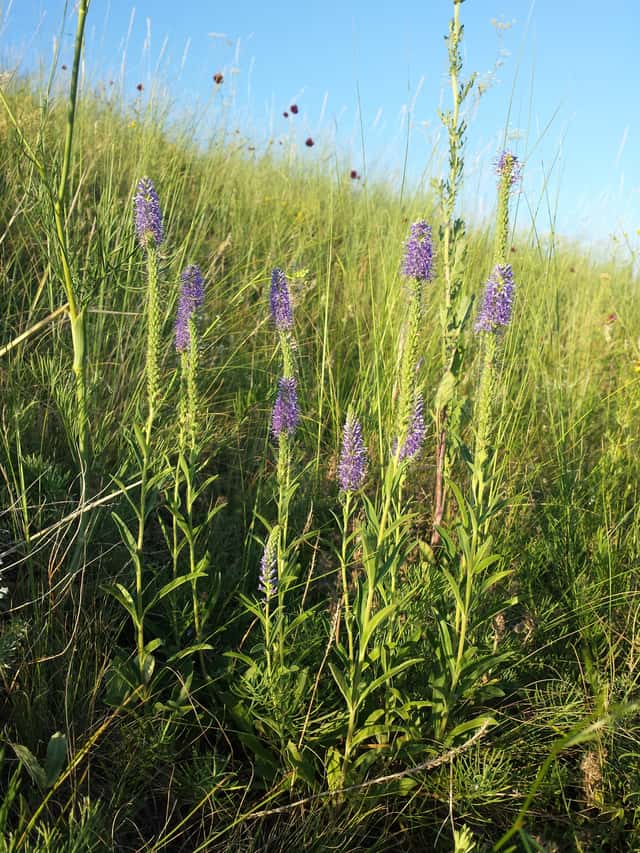
Spiked Speedwell (Veronica spicata) is a easy-care plant from the Plantaginaceae family. Veronica spicata, commonly known as Spiked Speedwell, is a hardy perennial flowering plant native to Europe and Asia. It produces striking upright spikes of tiny blue, purple, pink, or white flowers in summer, making it a favourite in cottage gardens and pollinator-friendly borders. A vigorous, low-...
Spiked Speedwell grows up to 75cm, spread of 60cm, watering every 7 days, -20°C – 24°C, 30–50% humidity. It is not suitable for indoor environments and safe for pets.
Unlike many tropical plants, Spiked Speedwell tolerates watering mistakes. Best for beginners. Unlike many popular species, Spiked Speedwell is safe to keep around pets.
How to Care for Spiked Speedwell?
TLDR: Spiked Speedwell needs Bright indirect, watering every 7 days, and temperatures between -20-24°C with 30-50% humidity.
How Often Should You Water Spiked Speedwell?
Water at the base every 7 days during dry periods. Avoid overhead watering and waterlogged soil to prevent root rot and powdery mildew. Established plants tolerate short dry spells well.
How Much Light Does Spiked Speedwell Need?
Prefers full sun (at least 6 hours per day). Tolerates partial shade, but flowering is reduced and stems may become floppy. High light promotes the densest, most upright flower spikes.
What Is the Best Soil for Spiked Speedwell?
Thrives in well-drained, fertile to moderately fertile soil. Tolerates a range of soil types including sandy and clay soils. Ideal pH 6.0–7.5. Avoid heavy, waterlogged soils.
What Pot Should You Use for Spiked Speedwell?
Terracotta or clay pot with drainage holes for container cultivation; ensures good drainage and prevents waterlogging.
Care Schedule
Fertilize
Every 30 days
Repot
Every 730 days
What Is Spiked Speedwell and Where Does It Come From?
Veronica spicata, commonly known as Spiked Speedwell, is a hardy perennial flowering plant native to Europe and Asia. It produces striking upright spikes of tiny blue, purple, pink, or white flowers in summer, making it a favourite in cottage gardens and pollinator-friendly borders. A vigorous, low-maintenance plant that thrives in full sun with well-drained soil.
How to Propagate Spiked Speedwell?
Clump Division
Divide every 2-3 years to prevent overcrowding and maintain vigorous flowering. Discard old woody centres.
- 1 Dig up a healthy clump in early spring before new growth begins
- 2 Gently separate the root mass into sections, each with healthy roots and shoots
- 3 Replant sections immediately at the same depth in prepared, well-drained soil
- 4 Water in well and keep moist until established
Materials needed:
Seed Sowing
Surface-sow as seeds are tiny and require light. Germination takes 15-20 days at 70°F.
- 1 Sow seeds on the surface of moist seed compost in spring
- 2 Do not cover with soil as seeds need light to germinate
- 3 Maintain temperature around 21°C (70°F) until germination
- 4 Prick out seedlings when large enough to handle and pot on
Materials needed:
How Big Does Spiked Speedwell Grow?
TLDR: Spiked Speedwell can reach up to 75cm tall with Fast growth rate.
Max height
75cm
Spread
60cm
Growth rate
Fast
Foliage
Deciduous
Plant Uses
Ornamental
Great for decoration
Medicinal
Medicinal properties
Medicinal Uses
- Historically used for respiratory complaints, gout, and skin conditions; diuretic and expectorant properties recorded in European herbal medicine
Is your plant showing symptoms?
Click on the symptom to discover possible causes:
What Diseases Commonly Affect Spiked Speedwell?
TLDR: Spiked Speedwell is susceptible to 9 known diseases. Monitor regularly for early detection.
Powdery Mildew
Powdery mildew is a common fungal disease caused by various fungi species including Erysiphe, Podosphaera, Oïdium, and Leveillula. It affects over 10,000 plant species worldwide. The disease thrives in warm, dry climates with high humidity and appears as a distinctive white powdery coating on plant surfaces.
Downy Mildew
Downy mildew is a fungal-like disease caused by oomycetes (water molds) that thrives in cool, wet conditions. It affects a wide range of plants, causing yellowing leaves with fuzzy white-gray growth underneath, leading to defoliation and reduced yields if left untreated.
Gray Mold (Botrytis Blight)
Gray mold, caused by the fungus Botrytis cinerea, is a widespread necrotrophic pathogen affecting over 1,400 plant species. It thrives in cool, humid conditions and attacks weakened or aging plant tissues, causing soft rot and characteristic gray fuzzy growth.
Root Rot
Root rot is a serious fungal disease that affects the root system of plants, causing them to decay and die. It is primarily caused by overwatering, poor drainage, or soil-borne fungi such as Pythium, Phytophthora, Rhizoctonia, and Fusarium. The disease thrives in waterlogged conditions where roots are deprived of oxygen, making them susceptible to fungal infection.
Meaning & Symbolism
Symbolizes fidelity and safe travels in European folklore. Associated with Saint Veronica and regarded as a lucky charm for travellers. In Victorian flower language it represents female fidelity.
Fun Facts
Veronica spicata is native across a broad swathe of Europe and Asia, from Spain to Siberia
Its tall flower spikes can reach 75 cm and are irresistible to bees and butterflies
The genus Veronica contains over 500 species, making it one of the largest genera in the Plantaginaceae family
In medieval Europe, speedwell was stitched into travellers' clothes as a good-luck charm
Frequently asked questions
How often should I water Veronica spicata?
Does Spiked Speedwell spread aggressively?
Is Veronica spicata toxic to pets?
When does Spiked Speedwell bloom?
What are the most common problems with Veronica spicata?
Compare with similar plants
| Attribute | Difficulty | Light | Watering | Pet Safe |
|---|---|---|---|---|
| Field Maple | Easy | Bright indirect | 14d | ✓ |
| Silver Birch | Easy | Direct sun | 14d | ✓ |
| Common Blanketflower | Easy | Direct sun | 10d | ✓ |
| Cushion Bush | Easy | Direct sun | 14d | ✓ |





