Plantaginaceae
New Zealand Hebe (Veronica speciosa) Care Guide
Veronica speciosa
Plant in full sun to light partial shade with well-draining, fertile soil. Water regularly during the growing season but allow the topsoil to dry slightly between waterings, as this hebe is sensitive to soggy, waterlogged soil. Prune lightly after flowering to keep growth compact and encourage a second flush of blooms.
Every 7 days
Bright indirect
-10° - 30°C
30% - 50%
Categories
What is New Zealand Hebe?
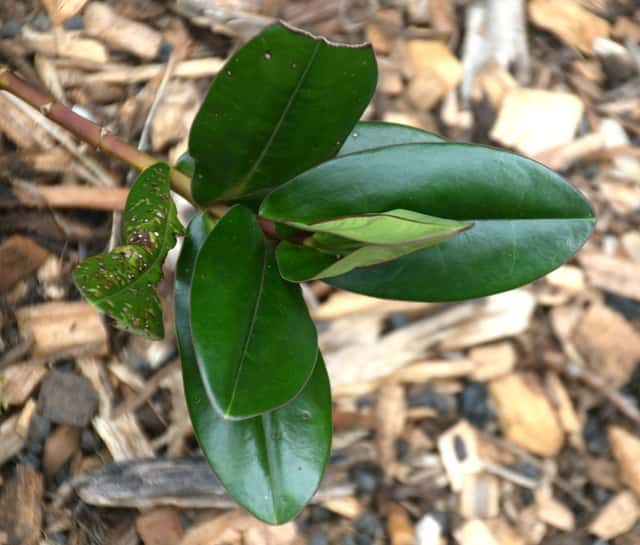
New Zealand Hebe (Veronica speciosa) is a easy-care plant from the Plantaginaceae family. Veronica speciosa, commonly known as the New Zealand Hebe or showy hebe, is a dense evergreen shrub native to the coastal cliffs of New Zealand's North Island. Prized for its glossy, leathery leaves and striking spikes of deep pink to purple flowers that bloom through summer, it forms a compact, rou...
New Zealand Hebe grows up to 2.5m, spread of 300cm, watering every 7 days, -10°C – 30°C, 30–50% humidity. It is not suitable for indoor environments and safe for pets.
Unlike many tropical plants, New Zealand Hebe tolerates watering mistakes. Best for beginners. Unlike many popular species, New Zealand Hebe is safe to keep around pets.
How to Care for New Zealand Hebe?
TLDR: New Zealand Hebe needs Bright indirect, watering every 7 days, and temperatures between -10-30°C with 30-50% humidity.
How Often Should You Water New Zealand Hebe?
Water thoroughly and let the top few centimeters of soil dry before watering again; in containers this is roughly once a week in warm weather. Avoid wetting the foliage directly, as damp leaves encourage fungal diseases like downy and powdery mildew.
How Much Light Does New Zealand Hebe Need?
Give it full sun for the best flowering, though it tolerates partial shade, which is especially helpful in very hot climates where afternoon shade prevents leaf scorch.
What Is the Best Soil for New Zealand Hebe?
Use well-draining soil enriched with organic matter; neutral to slightly alkaline pH is ideal. Heavy clay should be amended with grit or compost to prevent root rot.
What Pot Should You Use for New Zealand Hebe?
A terracotta or unglazed clay pot with generous drainage holes works best, allowing excess moisture to evaporate and reducing the risk of root rot.
Care Schedule
Fertilize
Every 42 days
What Is New Zealand Hebe and Where Does It Come From?
Veronica speciosa, commonly known as the New Zealand Hebe or showy hebe, is a dense evergreen shrub native to the coastal cliffs of New Zealand's North Island. Prized for its glossy, leathery leaves and striking spikes of deep pink to purple flowers that bloom through summer, it forms a compact, rounded mound perfect for coastal and city gardens. Highly salt-tolerant, it thrives in exposed seaside positions while also making an excellent low-maintenance ornamental shrub inland.
How to Propagate New Zealand Hebe?
Semi-hardwood stem cutting
Use clean, sharp tools and keep the mix consistently moist but never waterlogged while roots form.
- 1 Take a 10-15 cm semi-hardwood cutting from a non-flowering shoot between July and September.
- 2 Strip the lower leaves and dip the cut end in rooting hormone.
- 3 Insert into a pot of moist, well-draining potting mix.
- 4 Keep in a humid, indirectly lit spot until roots establish, then pot on.
Materials needed:
How Big Does New Zealand Hebe Grow?
TLDR: New Zealand Hebe can reach up to 2.5m tall with Medium growth rate.
Max height
2.5m
Spread
3.0m
Growth rate
Medium
Foliage
Evergreen
Plant Uses
Ornamental
Great for decoration
Is your plant showing symptoms?
Click on the symptom to discover possible causes:
What Diseases Commonly Affect New Zealand Hebe?
TLDR: New Zealand Hebe is susceptible to 9 known diseases. Monitor regularly for early detection.
Downy Mildew
Downy mildew is a fungal-like disease caused by oomycetes (water molds) that thrives in cool, wet conditions. It affects a wide range of plants, causing yellowing leaves with fuzzy white-gray growth underneath, leading to defoliation and reduced yields if left untreated.
Powdery Mildew
Powdery mildew is a common fungal disease caused by various fungi species including Erysiphe, Podosphaera, Oïdium, and Leveillula. It affects over 10,000 plant species worldwide. The disease thrives in warm, dry climates with high humidity and appears as a distinctive white powdery coating on plant surfaces.
Gray Mold (Botrytis Blight)
Gray mold, caused by the fungus Botrytis cinerea, is a widespread necrotrophic pathogen affecting over 1,400 plant species. It thrives in cool, humid conditions and attacks weakened or aging plant tissues, causing soft rot and characteristic gray fuzzy growth.
Leaf Spot
Leaf spot is a common fungal disease caused by various pathogens including Alternaria, Ascochyta, Colletotrichum, Septoria, and Venturia. It primarily affects leaves, causing discolored spots that can lead to premature leaf drop if left untreated.
Meaning & Symbolism
As a hardy New Zealand native that thrives on windswept coastal cliffs, it is often seen as a symbol of resilience and quiet endurance.
Fun Facts
Native to the coastal cliffs of New Zealand's North Island, where it withstands salt spray and strong winds.
The genus name honors Saint Veronica, while "speciosa" is Latin for showy or beautiful.
Bees and butterflies are strongly attracted to its nectar-rich flower spikes.
Frequently asked questions
Is Veronica speciosa toxic to cats or dogs?
How often should I water my New Zealand Hebe?
Why is my hebe getting leggy?
Can Veronica speciosa be grown in containers?
Compare with similar plants
| Attribute | Difficulty | Light | Watering | Pet Safe |
|---|---|---|---|---|
| Field Maple | Easy | Bright indirect | 14d | ✓ |
| Silver Birch | Easy | Direct sun | 14d | ✓ |
| Common Blanketflower | Easy | Direct sun | 10d | ✓ |
| Cushion Bush | Easy | Direct sun | 14d | ✓ |





