Rosaceae
Wineberry: Edible Plant
Rubus phoenicolasius
Wineberries are exceptionally hardy and easy to grow, preferring full sun and rich, well-drained soil. They require annual pruning of spent canes to maintain fruit production and control their spread.
Every 6 days
Direct sun
-34° - 35°C
30% - 60%
Categories
What is Wineberry?
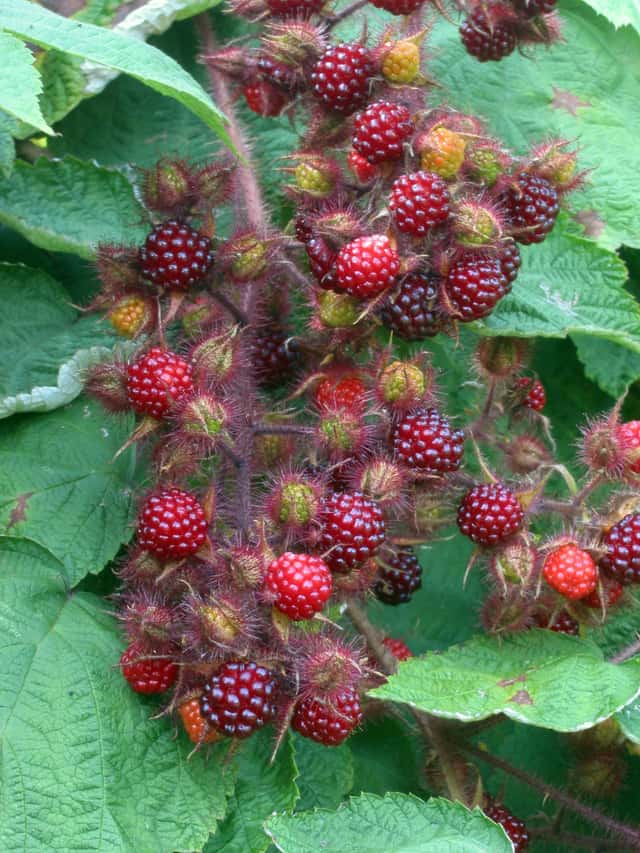
Wineberry (Rubus phoenicolasius) is a medium-care plant from the Rosaceae family. Rubus phoenicolasius, known as the Wineberry, is a vigorous perennial shrub in the rose family. It is native to East Asia and is easily identified by its stems, which are densely covered in reddish-purple glandular hairs. The plant produces small white flowers that develop into bright red, shiny, ed...
Wineberry grows up to 2.7m, with spread of 100cm, watering every 6 days, -34°C – 35°C, 30–60% humidity. It is not suitable for indoor environments and safe for pets.
Unlike many popular species, Wineberry is safe to keep around pets.
How to Care for Wineberry?
TLDR: Wineberry needs Direct sun, watering every 6 days, and temperatures between -34-35°C with 30-60% humidity.
How Often Should You Water Wineberry?
Provide deep watering once a week, increasing frequency during hot summer months and when the fruit is ripening.
How Much Light Does Wineberry Need?
While it can tolerate partial shade, full sun exposure is essential for the best fruit flavor and highest yields.
What Is the Best Soil for Wineberry?
Thrives in loamy, slightly acidic soil with plenty of added compost or well-rotted manure.
What Pot Should You Use for Wineberry?
Best grown directly in the ground; if using a container, a very large 15-20 gallon pot with drainage is required.
Care Schedule
Fertilize
Every 90 days
What Is Wineberry and Where Does It Come From?
Rubus phoenicolasius, known as the Wineberry, is a vigorous perennial shrub in the rose family. It is native to East Asia and is easily identified by its stems, which are densely covered in reddish-purple glandular hairs. The plant produces small white flowers that develop into bright red, shiny, edible berries. The fruit is encased in a protective hairy calyx until it is fully ripe. It is highly valued for its sweet-tart flavor but is considered an invasive species in many parts of North America due to its rapid growth and ability to form dense thickets.
How to Propagate Wineberry?
Tip Layering
- This is the natural way the plant spreads in the wild.
- Ensure the soil at the burial site is loose and rich in organic matter.
- 1 Select a Cane
Choose a long, healthy, flexible cane from the current year's growth.
- 2 Bury the Tip
Bend the cane down and bury the tip 2-3 inches deep into the soil.
- 3 Secure and Water
Secure the tip with a landscape staple and keep the soil consistently moist.
- 4 Separate
Once a strong root system has developed, cut the new plant away from the parent cane.
Materials needed:
Seed Propagation
- Seeds require a period of cold to break dormancy.
- Be patient as germination can be irregular.
- 1 Extract Seeds
Collect seeds from fully ripe berries and wash away the pulp.
- 2 Cold Stratification
Place seeds in a moist medium in the refrigerator for 90 days to mimic winter.
- 3 Sow
Plant seeds in a seed-starting mix and keep in a warm, bright location.
Materials needed:
How Big Does Wineberry Grow?
TLDR: Wineberry can reach up to 2.7m tall with Medium growth rate.
Max height
2.7m
Spread
1.0m
Growth rate
Medium
Foliage
Deciduous
Plant Uses
Ornamental
Great for decoration
Edible
Can be consumed
Culinary Uses
- Fresh eating
- Jams and preserves
- Pies and tarts
- Wine making
- Syrups
Is your plant showing symptoms?
Click on the symptom to discover possible causes:
What Diseases Commonly Affect Wineberry?
TLDR: Wineberry is susceptible to 10 known diseases. Monitor regularly for early detection.
Aphids
Aphids are small, soft-bodied, pear-shaped insects (1/16 to 1/8 inch long) that feed by sucking nutrient-rich sap from plants. They reproduce rapidly and can quickly weaken plants, causing distorted growth and transmitting plant viruses. Aphids come in various colors including green, black, red, yellow, brown, and gray. They secrete honeydew, a sticky substance that attracts ants and encourages sooty mold growth.
Spider Mites
Spider mites are tiny arachnids (less than 1/20 inch long) related to spiders and ticks that feed on plant sap. They thrive in hot, dry conditions and can cause significant damage to ornamental and vegetable plants. During severe infestations, crop losses can reach 14% or higher as these pests disrupt vital plant processes including photosynthesis, carbon dioxide absorption, and transpiration.
Powdery Mildew
Powdery mildew is a common fungal disease caused by various fungi species including Erysiphe, Podosphaera, Oïdium, and Leveillula. It affects over 10,000 plant species worldwide. The disease thrives in warm, dry climates with high humidity and appears as a distinctive white powdery coating on plant surfaces.
Gray Mold (Botrytis Blight)
Gray mold, caused by the fungus Botrytis cinerea, is a widespread necrotrophic pathogen affecting over 1,400 plant species. It thrives in cool, humid conditions and attacks weakened or aging plant tissues, causing soft rot and characteristic gray fuzzy growth.
Meaning & Symbolism
Represents wild abundance, resilience, and the hidden sweetness of nature.
Compare with similar plants
| Attribute | Difficulty | Light | Watering | Pet Safe |
|---|---|---|---|---|
| Azalea | Medium | Partial shade | 3d | ⚠️ |
| Wild Lettuce | Medium | Direct sun | 7d | ⚠️ |
| Cape Primrose | Medium | Partial shade | 7d | ✓ |
| Honey Locust | Medium | Direct sun | 14d | ✓ |