Salicaceae
Willow (Salix): The Ancient Tree That Inspired Aspirin
Salix
Willows need full sun and consistently moist to wet soil. They are outdoor trees unsuitable for indoor growing. Water frequently, especially in summer. They can tolerate temporary waterlogging. Growth is exceptionally fast — some species gain up to 3 meters per year. Plant well away from pipes and foundations due to invasive root systems.
Every 3 days
Direct sun
-30° - 40°C
40% - 70%
Categories
What is Willow?
Willow (Salix) is a medium-care plant from the Salicaceae family. Willow (Salix) is a large genus of deciduous trees and shrubs in the family Salicaceae, native across the Northern Hemisphere. Best known for the graceful weeping willow (Salix babylonica) with its long, pendulous branches sweeping toward water, willows have been culturally and medicinally significa...
Willow grows up to 15.0m, spread of 1200cm, watering every 3 days, -30°C – 40°C, 40–70% humidity. It is not suitable for indoor environments and not safe for pets.
Without precautions, ingestion can cause irritation in pets. Keep out of reach of cats and dogs.
How to Care for Willow?
TLDR: Willow needs Direct sun, watering every 3 days, and temperatures between -30-40°C with 40-70% humidity.
How Often Should You Water Willow?
Water deeply and frequently — willows are extremely thirsty trees. Near water sources, supplemental watering may not be needed. Never allow the soil to dry out completely. For bonsai willows, check moisture daily and water as soon as the surface dries.
How Much Light Does Willow Need?
Plant in full sun, at least 6-8 hours of direct sunlight daily. Tolerates partial shade but growth will be slower and less vigorous. Avoid deep shade.
What Is the Best Soil for Willow?
Prefers loamy, nutrient-rich soil with good moisture retention. Tolerates a wide pH range (5.5-7.5). Grows well in riparian soils and can tolerate clay. Does not do well in very sandy, fast-draining soils.
What Pot Should You Use for Willow?
Not suitable for indoor pot growing. For bonsai cultivation, use deep pots with excellent drainage and water daily.
What Is Willow and Where Does It Come From?
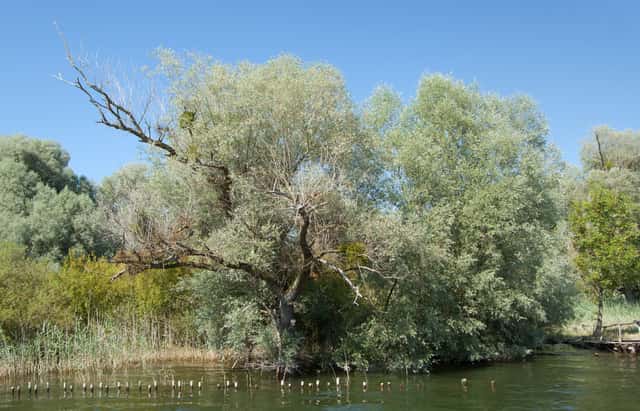
Willow (Salix) is a large genus of deciduous trees and shrubs in the family Salicaceae, native across the Northern Hemisphere. Best known for the graceful weeping willow (Salix babylonica) with its long, pendulous branches sweeping toward water, willows have been culturally and medicinally significant for millennia. The bark of Salix alba (white willow) contains salicin, the natural compound that inspired the synthesis of aspirin in 1897. Willows thrive near rivers, lakes, and wetlands, and are among the fastest-growing trees in the world.
How to Propagate Willow?
Stem Cutting
Willows root exceptionally easily — one of the easiest trees to propagate. Water-rooting works in as little as 2 weeks. Early spring cuttings before bud break give the best results.
- 1 Cut a healthy young branch 20-30 cm long in early spring before leaf bud break
- 2 Remove leaves from the lower two-thirds of the cutting
- 3 Place the base in a jar of water or insert into moist soil
- 4 Keep moist and sheltered from wind until roots develop
Materials needed:
How Big Does Willow Grow?
TLDR: Willow can reach up to 15.0m tall with Fast growth rate.
Max height
15.0m
Spread
12.0m
Growth rate
Fast
Foliage
Deciduous
Warning: Toxic Plant
This plant can be toxic if ingested. Keep out of reach of:
Plant Uses
Ornamental
Great for decoration
Medicinal
Medicinal properties
Medicinal Uses
- Natural anti-inflammatory (salicin in bark)
- Treatment of rheumatic and back pain
- Fever reduction
- Headache and menstrual pain relief
- Historical: the basis for aspirin synthesis in 1897
Is your plant showing symptoms?
Click on the symptom to discover possible causes:
What Diseases Commonly Affect Willow?
TLDR: Willow is susceptible to 9 known diseases. Monitor regularly for early detection.
Anthracnose
Anthracnose is a fungal disease caused by fungi in the genus Colletotrichum that affects many plants, including vegetables, fruits, and trees. The disease thrives in cool, wet conditions, causing dark, sunken lesions on leaves, stems, flowers, and fruits.
Powdery Mildew
Powdery mildew is a common fungal disease caused by various fungi species including Erysiphe, Podosphaera, Oïdium, and Leveillula. It affects over 10,000 plant species worldwide. The disease thrives in warm, dry climates with high humidity and appears as a distinctive white powdery coating on plant surfaces.
Rust
Rust is a common fungal disease caused by fungi in the order Pucciniales that affects a wide variety of plants. The disease gets its name from the characteristic orange, yellow, or reddish-brown pustules that appear on leaves, resembling metal rust. This obligate fungal parasite requires living plants to survive and can cause significant economic losses in agricultural crops.
Crown Gall
Crown gall is a bacterial disease caused by Agrobacterium tumefaciens that affects over 140 species of plants. The bacteria insert DNA into plant cells, causing them to divide uncontrollably and form large tumor-like growths (galls) primarily on roots, stems, and at the soil line. These galls restrict water and nutrient flow, severely impacting plant health and potentially killing the plant.
Meaning & Symbolism
Willows are symbols of mourning, resilience, and renewal across many cultures. In Celtic and Chinese traditions, they are associated with water, healing, and the moon. In European folklore, the weeping willow's drooping branches evoke melancholy and remembrance.
Fun Facts
Willow bark contains salicin, the compound that inspired the synthesis of aspirin by Heinrich Dreser at Bayer in 1897
Weeping willows can grow over 2 meters per year when young
Hippocrates prescribed willow leaves and bark for pain relief around 400 BC, over 2400 years ago
Willow roots are so aggressive they can penetrate sewer pipes dozens of meters away from the tree
Frequently asked questions
Can willows grow in pots?
How often should I water a willow tree?
Are willows toxic to pets?
What are the medicinal uses of willow?
Do willows lose their leaves in winter?
Compare with similar plants
| Attribute | Difficulty | Light | Watering | Pet Safe |
|---|---|---|---|---|
| Dark Fieldcap | Medium | Low light | 2d | ⚠️ |
| Azalea | Medium | Partial shade | 3d | ⚠️ |
| Bougainvillea | Medium | Direct sun | 7d | ⚠️ |
| Wild Lettuce | Medium | Direct sun | 7d | ⚠️ |



