Primulaceae
Loosestrife: Ground Cover Plant
Lysimachia
Lysimachia is generally easy to grow and adaptable. Most species prefer consistently moist to wet soil and partial to full sun. They are hardy in a wide range of climates (USDA zones 3–9) and benefit from division every 2–3 years to maintain vigor. Apply a balanced fertilizer in spring. Some spreading species may need containment to prevent invasiveness.
Every 4 days
Partial shade
-10° - 30°C
40% - 70%
Categories
What is Loosestrife?
Loosestrife (Lysimachia) is a easy-care plant from the Primulaceae family. Lysimachia is a large and diverse genus of flowering plants in the family Primulaceae, commonly known as loosestrifes. The genus encompasses around 180 species of annuals and perennials native to temperate regions across the Northern Hemisphere, with the greatest diversity found in China. Species ra...
Loosestrife grows up to 1.2m, spread of 60cm, watering every 4 days, -10°C – 30°C, 40–70% humidity. It is suitable for indoor environments and safe for pets.
Unlike many tropical plants, Loosestrife tolerates watering mistakes. Best for beginners. Unlike many popular species, Loosestrife is safe to keep around pets. Without adequate drainage, root rot can develop within 8 days.
How to Care for Loosestrife?
TLDR: Loosestrife needs Partial shade, watering every 4 days, and temperatures between -10-30°C with 40-70% humidity.
How Often Should You Water Loosestrife?
Keep soil consistently moist; most Lysimachia species tolerate or prefer wet conditions. Water every 3–5 days during the growing season, more frequently in hot weather. Avoid letting soil dry out completely. Ground-cover species like creeping Jenny may tolerate brief dry spells once established.
How Much Light Does Loosestrife Need?
Most Lysimachia species prefer full sun to partial shade (4–6 hours of direct light daily). Upright border types such as L. punctata perform best in full sun. Creeping varieties like L. nummularia tolerate more shade and are ideal for underplanting or woodland edges.
What Is the Best Soil for Loosestrife?
Lysimachia thrives in loamy, moisture-retentive soils enriched with organic matter. A slightly acidic to neutral pH of 5.5–7.0 is ideal. Good drainage is important even for moisture-loving species to prevent root rot; avoid waterlogged clay soils.
What Pot Should You Use for Loosestrife?
For container growing, use large pots (30 cm+ diameter) with moisture-retentive potting mix. Unglazed terracotta is not ideal as it dries too quickly; glazed ceramic or plastic pots help retain moisture. Ensure drainage holes to prevent waterlogging. Creeping varieties make attractive hanging basket or window box plants.
Care Schedule
Fertilize
Every 30 days
Rotate
Every 14 days
Repot
Every 730 days
What Is Loosestrife and Where Does It Come From?
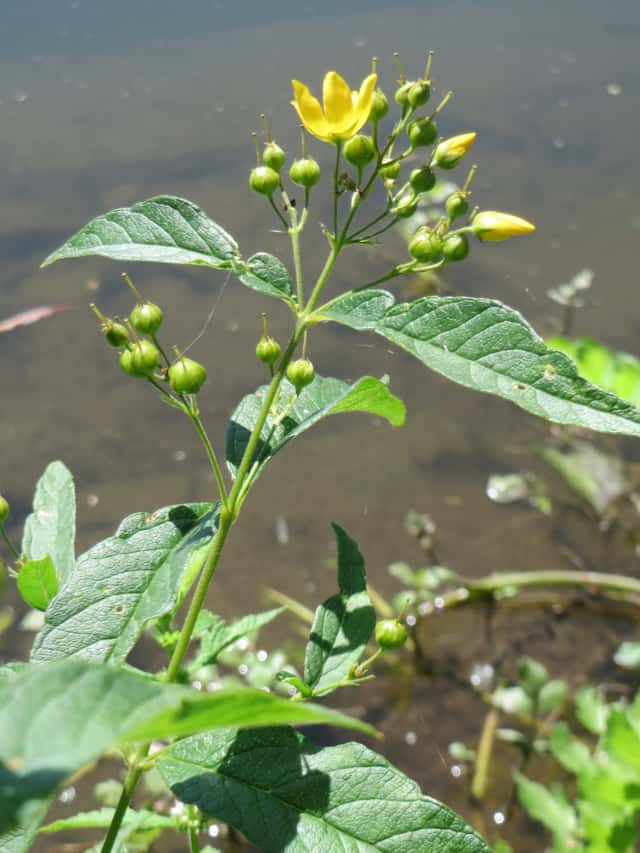
Lysimachia is a large and diverse genus of flowering plants in the family Primulaceae, commonly known as loosestrifes. The genus encompasses around 180 species of annuals and perennials native to temperate regions across the Northern Hemisphere, with the greatest diversity found in China. Species range from upright border perennials like Lysimachia punctata (dotted loosestrife) and Lysimachia vulgaris (yellow loosestrife) to ground-hugging creepers like Lysimachia nummularia (creeping Jenny). Flowers are typically five-petaled and appear in yellow, white, pink, or purple. Many species thrive in moist to wet environments, making them excellent choices for pond margins, rain gardens, and boggy areas.
How Big Does Loosestrife Grow?
TLDR: Loosestrife can reach up to 1.2m tall with Medium growth rate.
Max height
1.2m
Spread
60cm
Growth rate
Medium
Foliage
Deciduous
Plant Uses
Ornamental
Great for decoration
Ground Cover
Soil coverage
Medicinal
Medicinal properties
Medicinal Uses
- Traditionally used as an astringent to stop bleeding (styptic) in European herbal medicine
- Lysimachia christinae (Jin Qian Cao) is widely used in Traditional Chinese Medicine for dissolving kidney and gallbladder stones and treating urinary tract infections
- Used topically for wound healing and skin inflammation in folk medicine
- Some species used for liver and gallbladder support in TCM
Is your plant showing symptoms?
Click on the symptom to discover possible causes:
What Diseases Commonly Affect Loosestrife?
TLDR: Loosestrife is susceptible to 10 known diseases. Monitor regularly for early detection.
Root Rot
Root rot is a serious fungal disease that affects the root system of plants, causing them to decay and die. It is primarily caused by overwatering, poor drainage, or soil-borne fungi such as Pythium, Phytophthora, Rhizoctonia, and Fusarium. The disease thrives in waterlogged conditions where roots are deprived of oxygen, making them susceptible to fungal infection.
Overwatering
Overwatering occurs when plants receive too much water, depriving roots of oxygen and causing root rot. This environmental stress is one of the most common causes of houseplant death, as waterlogged soil prevents roots from breathing and functioning properly.
Aphids
Aphids are small, soft-bodied, pear-shaped insects (1/16 to 1/8 inch long) that feed by sucking nutrient-rich sap from plants. They reproduce rapidly and can quickly weaken plants, causing distorted growth and transmitting plant viruses. Aphids come in various colors including green, black, red, yellow, brown, and gray. They secrete honeydew, a sticky substance that attracts ants and encourages sooty mold growth.
Spider Mites
Spider mites are tiny arachnids (less than 1/20 inch long) related to spiders and ticks that feed on plant sap. They thrive in hot, dry conditions and can cause significant damage to ornamental and vegetable plants. During severe infestations, crop losses can reach 14% or higher as these pests disrupt vital plant processes including photosynthesis, carbon dioxide absorption, and transpiration.
Meaning & Symbolism
In European folklore, loosestrife was believed to bring peace and calm between quarreling people and animals. The common name "loosestrife" derives from the Greek "lusimachia," meaning "ending strife." The plant symbolizes tranquility, harmony, and the resolution of conflict.
Compare with similar plants
| Attribute | Difficulty | Light | Watering | Pet Safe |
|---|---|---|---|---|
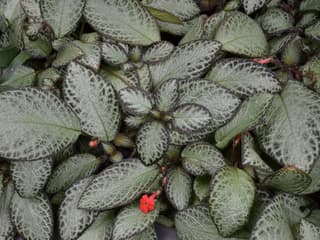
| Flame Violet | Easy | Partial shade | 7d | ✓ |
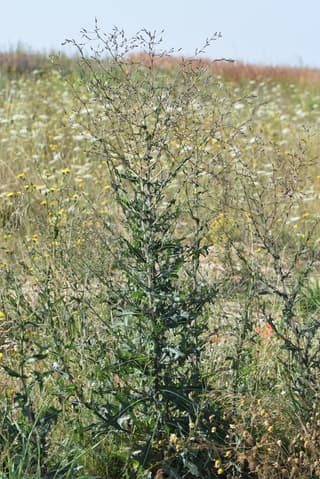
| Prickly Lettuce | Easy | Direct sun | 7d | ✓ |
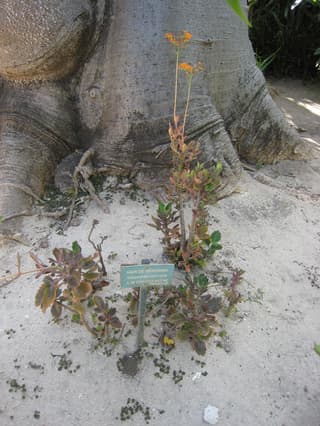
| Christmas Tree Plant | Easy | Bright indirect | 10d | ⚠️ |
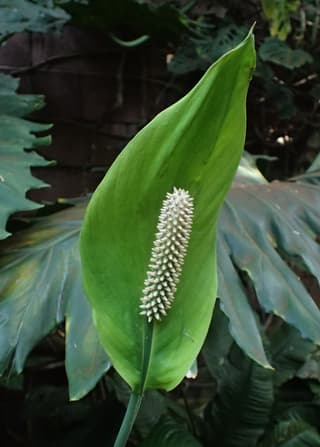
| Peace Lily | Easy | Low light | 7d | ⚠️ |