Gesneriaceae
Cape Primrose: Perfect Indoor Houseplant
Streptocarpus
Streptocarpus prefers bright, indirect light, moderate watering allowing the substrate to almost dry out between waterings, average humidity of 50-70%, and temperatures between 12°C and 24°C. Fertilize every 14 days with half-strength diluted fertilizer during the growing season. Repot every 2-3 years or when roots emerge from the bottom of the pot.
Every 7 days
Partial shade
12° - 24°C
50% - 70%
Categories
What is Cape Primrose?
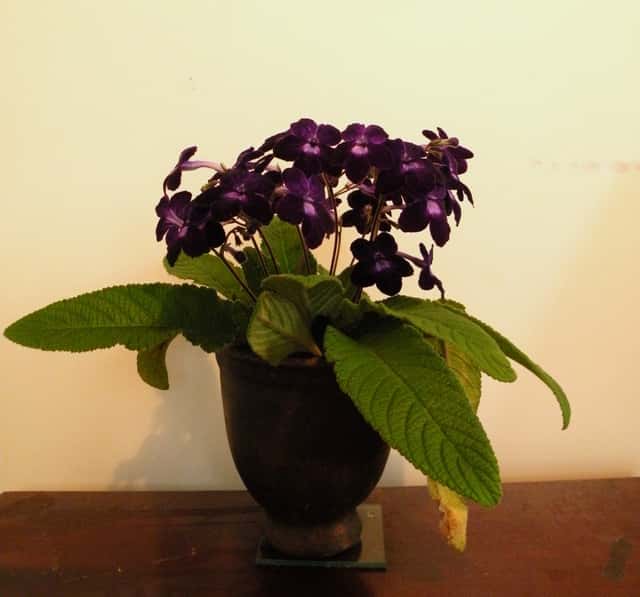
Cape Primrose (Streptocarpus) is a medium-care plant from the Gesneriaceae family. Streptocarpus, also known as Cape Primrose, is a genus of ornamental plants native to South Africa, belonging to the Gesneriaceae family. Highly valued as an indoor plant, it produces vibrant tubular flowers in shades of purple, lilac, white, pink, red, and blue for much of the year. Its long, velve...
Cape Primrose grows up to 35cm, spread of 60cm, watering every 7 days, 12°C – 24°C, 50–70% humidity. It is suitable for indoor environments and safe for pets.
Unlike many popular species, Cape Primrose is safe to keep around pets. Without adequate drainage, root rot can develop within 14 days.
How to Care for Cape Primrose?
TLDR: Cape Primrose needs Partial shade, watering every 7 days, and temperatures between 12-24°C with 50-70% humidity.
How Often Should You Water Cape Primrose?
Water when the leaves begin to soften slightly or when the top 2 cm of the substrate are dry. Avoid overwatering — excess water causes root rot. Use room temperature water and avoid wetting the leaves or flowers.
How Much Light Does Cape Primrose Need?
Position in an east or west-facing window to receive bright, indirect light. Avoid intense direct sun, which can scorch the leaves. In environments with low natural light, grow lights are very effective.
What Is the Best Soil for Cape Primrose?
Use a light, well-draining, and organic-rich substrate, such as African violet potting mix or a peat and perlite blend. The ideal pH is between 5.5 and 6.5. Good drainage is essential to prevent root rot.
What Pot Should You Use for Cape Primrose?
Terracotta or plastic pots with drainage holes are ideal. Not overly large pots — the plant flowers best when slightly pot-bound. Trays with pebbles and water under the pot help maintain humidity without waterlogging the roots.
Care Schedule
Fertilize
Every 14 days
Rotate
Every 30 days
Repot
Every 1095 days
What Is Cape Primrose and Where Does It Come From?
Streptocarpus, also known as Cape Primrose, is a genus of ornamental plants native to South Africa, belonging to the Gesneriaceae family. Highly valued as an indoor plant, it produces vibrant tubular flowers in shades of purple, lilac, white, pink, red, and blue for much of the year. Its long, velvety, and slightly wrinkled leaves form an elegant rosette. It is an easy-to-grow and very rewarding plant for those seeking prolonged flowering in indoor environments.
How to Propagate Cape Primrose?
Leaf cutting
Use clean and sterilized tools to prevent diseases. Keep the substrate lightly moist, never waterlogged. The orientation of the cut matters — insert the bottom part of the leaf into the substrate.
- 1 Choose a healthy leaf and cut it at the base with clean scissors
- 2 Cut the leaf into 5-7 cm sections crosswise
- 3 Insert the sections vertically into moist substrate (halfway down)
- 4 Cover with a plastic bag or clear dome to maintain humidity
- 5 Keep in a bright location without direct sun at 20-22°C
- 6 Small plantlets will emerge at the base of the cuttings in 4-6 weeks
- 7 Transplant the seedlings when they have 2-3 true leaves
Materials needed:
Division
Division is best done during spring repotting. Separate only rosettes with at least 3-4 leaves to ensure a higher chance of success.
- 1 Carefully remove the plant from its pot
- 2 Gently separate the side rosettes (offsets) from the mother plant
- 3 Ensure each division has sufficient roots
- 4 Plant each division in an individual pot with fresh substrate
- 5 Water lightly and keep in a sheltered location for 2-3 weeks
Materials needed:
How Big Does Cape Primrose Grow?
TLDR: Cape Primrose can reach up to 35cm tall with Medium growth rate.
Max height
35cm
Spread
60cm
Growth rate
Medium
Foliage
Evergreen
Plant Uses
Ornamental
Great for decoration
Is your plant showing symptoms?
Click on the symptom to discover possible causes:
What Diseases Commonly Affect Cape Primrose?
TLDR: Cape Primrose is susceptible to 21 known diseases. Monitor regularly for early detection.
Root Rot
Root rot is a serious fungal disease that affects the root system of plants, causing them to decay and die. It is primarily caused by overwatering, poor drainage, or soil-borne fungi such as Pythium, Phytophthora, Rhizoctonia, and Fusarium. The disease thrives in waterlogged conditions where roots are deprived of oxygen, making them susceptible to fungal infection.
Botrytis
Gray Mold (Botrytis Blight)
Gray mold, caused by the fungus Botrytis cinerea, is one of the most common fungal diseases in plants. It affects over 200 plant species, including ornamentals, vegetables, fruits, and houseplants. The disease thrives in cool, humid conditions with poor air circulation, causing grayish spots and soft rot on infected tissues.
Gray Mold (Botrytis Blight)
Gray mold, caused by the fungus Botrytis cinerea, is a widespread necrotrophic pathogen affecting over 1,400 plant species. It thrives in cool, humid conditions and attacks weakened or aging plant tissues, causing soft rot and characteristic gray fuzzy growth.
Meaning & Symbolism
Symbolizes hope, resilience, and delicate beauty. In South African folklore, it is associated with faith and perseverance.
Fun Facts
The genus Streptocarpus contains over 150 species, most native to the mountain forests and grasslands of South Africa and Madagascar.
The name Streptocarpus comes from Greek, meaning "twisted fruit" — a reference to its distinctive spirally twisted seed capsules.
A single Streptocarpus leaf can produce dozens of new plants via leaf cuttings, making it one of the most prolific houseplants for propagation.
Unlike many tropical houseplants, Cape Primrose prefers cooler temperatures and may go semi-dormant during the hottest part of summer.
Frequently asked questions
How often should I water my Cape Primrose?
Is Cape Primrose toxic to cats and dogs?
Why is my Cape Primrose not flowering?
How do I propagate Cape Primrose?
How often should I fertilize Cape Primrose?
Compare with similar plants
| Attribute | Difficulty | Light | Watering | Pet Safe |
|---|---|---|---|---|
| Azalea | Medium | Partial shade | 3d | ⚠️ |
| Wild Lettuce | Medium | Direct sun | 7d | ⚠️ |
| Flame Violet | Easy | Partial shade | 7d | ✓ |
| Honey Locust | Medium | Direct sun | 14d | ✓ |