Bignoniaceae
Yellow Bells (Tecoma stans): Complete Care Guide for a Stunning Flowering Shrub
Tecoma stans
Yellow Bells is a low-maintenance, sun-loving plant that thrives in full sun with infrequent watering once established. It is drought-tolerant, highly resistant to most pests and diseases, and blooms prolifically from spring to fall. Best suited for outdoor gardens in warm to tropical climates.
Every 10 days
Direct sun
8° - 35°C
40% - 70%
Categories
What is Yellow Bells?
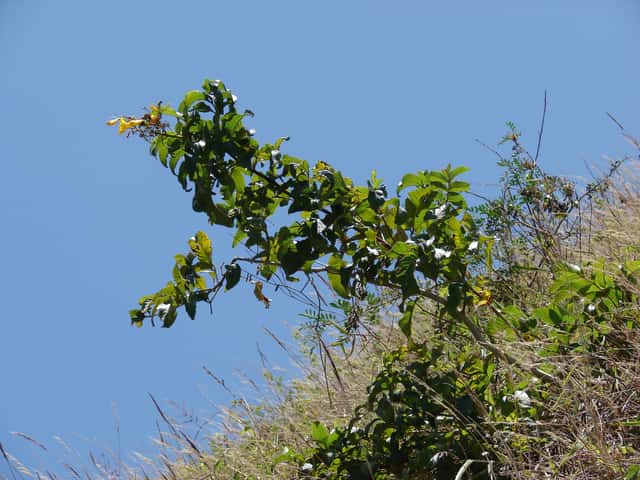
Yellow Bells (Tecoma stans) is a easy-care plant from the Bignoniaceae family. Tecoma stans, commonly known as Yellow Bells or Yellow Trumpetbush, is a fast-growing shrub or small tree native to the Americas, from Mexico to Argentina. It is celebrated for its stunning clusters of bright yellow, trumpet-shaped flowers that bloom from spring through fall, attracting hummingbirds...
Yellow Bells grows up to 5.0m, spread of 300cm, watering every 10 days, 8°C – 35°C, 40–70% humidity. It is not suitable for indoor environments and safe for pets.
Unlike many tropical plants, Yellow Bells tolerates watering mistakes. Best for beginners. Unlike many popular species, Yellow Bells is safe to keep around pets.
How to Care for Yellow Bells?
TLDR: Yellow Bells needs Direct sun, watering every 10 days, and temperatures between 8-35°C with 40-70% humidity.
How Often Should You Water Yellow Bells?
Water moderately during establishment; once established, Yellow Bells is drought-tolerant and needs watering only every 8-12 days in summer. Allow the soil to dry between waterings to prevent root rot. Reduce watering in winter.
How Much Light Does Yellow Bells Need?
Requires full sun — at least 6-8 hours of direct sunlight per day for optimal flowering. Avoid shaded spots, as insufficient light reduces bloom production significantly.
What Is the Best Soil for Yellow Bells?
Plant in well-draining soil. Tolerates poor, sandy, and even slightly saline soils. Mix garden soil with coarse sand or perlite to improve drainage. Ideal pH range is 6.0–7.5.
What Pot Should You Use for Yellow Bells?
Large terracotta or ceramic pot with drainage holes. Best suited for outdoor or patio use since the plant requires full sun.
Care Schedule
Fertilize
Every 30 days
Repot
Every 365 days
What Is Yellow Bells and Where Does It Come From?
Tecoma stans, commonly known as Yellow Bells or Yellow Trumpetbush, is a fast-growing shrub or small tree native to the Americas, from Mexico to Argentina. It is celebrated for its stunning clusters of bright yellow, trumpet-shaped flowers that bloom from spring through fall, attracting hummingbirds, butterflies, and bees. Highly drought-tolerant and low-maintenance, it thrives in warm, sunny gardens and is considered a symbol of vitality and abundance across Latin America.
How to Propagate Yellow Bells?
Stem Cuttings
Use clean, sharp tools. Spring is the ideal time for cuttings. Keep the substrate slightly moist but never waterlogged.
- 1 Cut a semi-hardwood stem 10-15 cm long with 2-3 pairs of leaves.
- 2 Remove lower leaves and dip the cut end in rooting hormone.
- 3 Plant in a moist, well-draining mix of sand and peat.
- 4 Place in a warm spot with indirect light and keep soil lightly moist.
- 5 Transplant once firm roots develop, after 4-6 weeks.
Materials needed:
Seed Propagation
Fresh seeds have higher germination rates. Soak seeds for 12 hours before sowing to speed up germination.
- 1 Collect ripe seeds from dried seed pods after flowering.
- 2 Sow in moist, well-draining substrate at shallow depth (0.5 cm).
- 3 Maintain temperature of 20-25°C with indirect light.
- 4 Seeds germinate in 2-3 weeks; transplant when seedlings reach 10 cm.
Materials needed:
How Big Does Yellow Bells Grow?
TLDR: Yellow Bells can reach up to 5.0m tall with Fast growth rate.
Max height
5.0m
Spread
3.0m
Growth rate
Fast
Foliage
Deciduous
Plant Uses
Ornamental
Great for decoration
Medicinal
Medicinal properties
Medicinal Uses
- Roots and leaves have traditional medicinal use in Latin American folk medicine for treating diabetes, respiratory infections, and digestive issues, typically prepared as herbal teas.
Is your plant showing symptoms?
Click on the symptom to discover possible causes:
What Diseases Commonly Affect Yellow Bells?
TLDR: Yellow Bells is susceptible to 11 known diseases. Monitor regularly for early detection.
Root Rot
Root rot is a serious fungal disease that affects the root system of plants, causing them to decay and die. It is primarily caused by overwatering, poor drainage, or soil-borne fungi such as Pythium, Phytophthora, Rhizoctonia, and Fusarium. The disease thrives in waterlogged conditions where roots are deprived of oxygen, making them susceptible to fungal infection.
Overwatering
Overwatering occurs when plants receive too much water, depriving roots of oxygen and causing root rot. This environmental stress is one of the most common causes of houseplant death, as waterlogged soil prevents roots from breathing and functioning properly.
Aphids
Aphids are small, soft-bodied, pear-shaped insects (1/16 to 1/8 inch long) that feed by sucking nutrient-rich sap from plants. They reproduce rapidly and can quickly weaken plants, causing distorted growth and transmitting plant viruses. Aphids come in various colors including green, black, red, yellow, brown, and gray. They secrete honeydew, a sticky substance that attracts ants and encourages sooty mold growth.
Spider Mites
Spider mites are tiny arachnids (less than 1/20 inch long) related to spiders and ticks that feed on plant sap. They thrive in hot, dry conditions and can cause significant damage to ornamental and vegetable plants. During severe infestations, crop losses can reach 14% or higher as these pests disrupt vital plant processes including photosynthesis, carbon dioxide absorption, and transpiration.
Meaning & Symbolism
Yellow Bells symbolizes vitality, joy, and solar energy. Its bright golden blooms are associated with abundance and prosperity in Latin American cultures.
Fun Facts
Tecoma stans is the national flower of the United States Virgin Islands.
A single plant can produce hundreds of trumpet-shaped flowers per season, reaching up to 5 meters tall.
Its roots have been used in traditional Latin American medicine since pre-Columbian times to treat diabetes.
Yellow Bells is a powerful pollinator magnet, attracting hummingbirds, butterflies, and bees throughout the blooming season.
Frequently asked questions
How often should I water Yellow Bells?
How much sun does Tecoma stans need?
Is Tecoma stans toxic to pets?
When does Yellow Bells bloom?
How do I prune Tecoma stans?
Compare with similar plants
| Attribute | Difficulty | Light | Watering | Pet Safe |
|---|---|---|---|---|
| Field Maple | Easy | Bright indirect | 14d | ✓ |
| Silver Birch | Easy | Direct sun | 14d | ✓ |
| Common Blanketflower | Easy | Direct sun | 10d | ✓ |
| Cushion Bush | Easy | Direct sun | 14d | ✓ |





