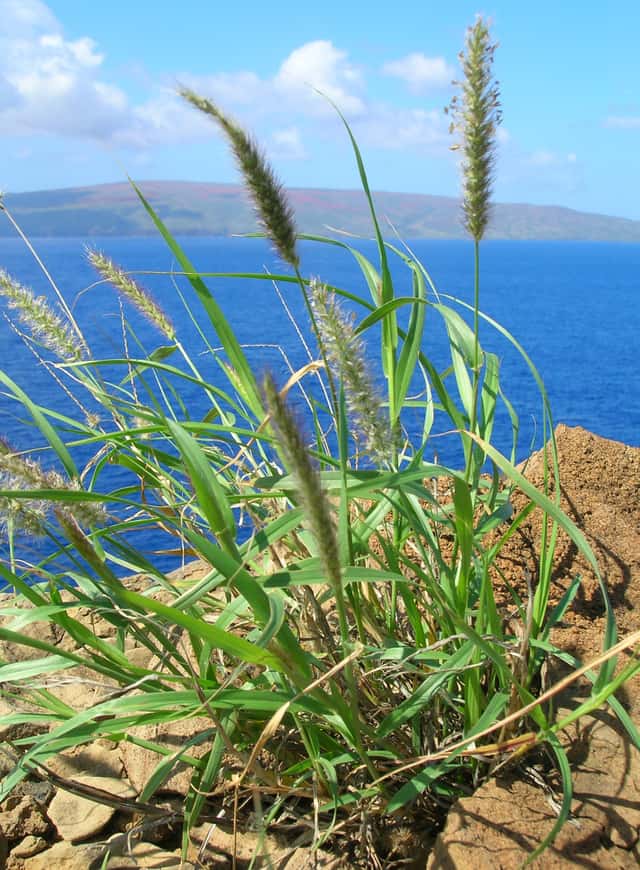
Poaceae
Cenchrus: Sandbur
Cenchrus
A hardy, easy-to-grow genus, drought-tolerant and thriving in full sun. Requires well-draining soil and moderate watering, avoiding waterlogging.
Every 7 days
Direct sun
10° - 35°C
30% - 60%
Categories
What is Sandbur?
Sandbur (Cenchrus) is a easy-care plant from the Poaceae family. Cenchrus is a genus of grasses in the family Poaceae, commonly known as sandbur, buffelgrass, or fountaingrass. It includes ornamental species such as crimson fountaingrass (Cenchrus setaceus) and forage grasses such as buffelgrass (Cenchrus ciliaris), widely used in pastures across arid and semi-ar...
Sandbur grows up to 1.2m, spread of 90cm, watering every 7 days, 10°C – 35°C, 30–60% humidity. It is not suitable for indoor environments and safe for pets.
Unlike many tropical plants, Sandbur tolerates watering mistakes. Best for beginners. Unlike many popular species, Sandbur is safe to keep around pets.
How to Care for Sandbur?
TLDR: Sandbur needs Direct sun, watering every 7 days, and temperatures between 10-35°C with 30-60% humidity.
How Often Should You Water Sandbur?
Water weekly, letting the soil dry out between waterings. Avoid waterlogging, as roots are sensitive to excess moisture.
How Much Light Does Sandbur Need?
Prefers full sun to intense direct light; grows best in bright outdoor settings.
What Is the Best Soil for Sandbur?
Sandy or well-draining mixed soil, pH between 6.0 and 7.5.
What Is Sandbur and Where Does It Come From?
Cenchrus is a genus of grasses in the family Poaceae, commonly known as sandbur, buffelgrass, or fountaingrass. It includes ornamental species such as crimson fountaingrass (Cenchrus setaceus) and forage grasses such as buffelgrass (Cenchrus ciliaris), widely used in pastures across arid and semi-arid regions. The genus is characterized by dense clumps of fine foliage, plume-like inflorescences, and bur-like seed heads with spines that cling to fur and clothing for dispersal.
How Big Does Sandbur Grow?
TLDR: Sandbur can reach up to 1.2m tall with Fast growth rate.
Max height
1.2m
Spread
90cm
Growth rate
Fast
Foliage
Evergreen
Plant Uses
Ornamental
Great for decoration
Ground Cover
Soil coverage
Is your plant showing symptoms?
Click on the symptom to discover possible causes:
What Diseases Commonly Affect Sandbur?
TLDR: Sandbur is susceptible to 4 known diseases. Monitor regularly for early detection.
Leaf Spot
Leaf spot is a common fungal disease caused by various pathogens including Alternaria, Ascochyta, Colletotrichum, Septoria, and Venturia. It primarily affects leaves, causing discolored spots that can lead to premature leaf drop if left untreated.
Caterpillars
Caterpillars are the larval stage of moths and butterflies that feed voraciously on plant foliage, stems, flowers, and fruits. Common species include cabbage loopers, tomato hornworms, armyworms, and cutworms. These pests can cause extensive damage by consuming large amounts of plant tissue in a short time. They vary in size from small (1/4 inch) to large (5 inches), with colors ranging from green to brown, often featuring stripes or spots. Caterpillars are highly mobile and can quickly spread throughout gardens, making them one of the most destructive common pests.
Root Rot
Root rot is a serious fungal disease that affects the root system of plants, causing them to decay and die. It is primarily caused by overwatering, poor drainage, or soil-borne fungi such as Pythium, Phytophthora, Rhizoctonia, and Fusarium. The disease thrives in waterlogged conditions where roots are deprived of oxygen, making them susceptible to fungal infection.
Overwatering
Overwatering occurs when plants receive too much water, depriving roots of oxygen and causing root rot. This environmental stress is one of the most common causes of houseplant death, as waterlogged soil prevents roots from breathing and functioning properly.
Fun Facts
Some Cenchrus species are considered invasive outside their native range.
The bur-like seed heads have spines that attach to animal fur, aiding seed dispersal.
Buffelgrass (Cenchrus ciliaris) is widely used as forage in arid regions worldwide.
Compare with similar plants
| Attribute | Difficulty | Light | Watering | Pet Safe |
|---|---|---|---|---|
| Field Maple | Easy | Bright indirect | 14d | ✓ |
| Silver Birch | Easy | Direct sun | 14d | ✓ |
| Cushion Bush | Easy | Direct sun | 14d | ✓ |
| Peruvian peppertree | Easy | Direct sun | 14d | ⚠️ |
Choose & Compare
Sources & References
- Cenchrus setaceus - Wikipedia
- African Fountain Grass - NC Extension Gardener Plant Toolbox
- Fact sheet - Cenchrus ciliaris
- Buffelgrass Tech Bulletin - Nature Conservancy
- How to grow and care for Cenchrus setaceus
- Keep Your Cenchrus americanus Alive - Greg
- Como Plantar Capim do Texas - Cenchrus setaceu





