Zingiberaceae
Red Ginger (Alpinia purpurata): How to Grow and Care
Alpinia purpurata
A robust tropical plant that thrives in heat, high humidity, and rich soil. Water regularly to keep the soil consistently moist but well-drained. Fertilize monthly during the growing season. Protect from temperatures below 10°C (50°F).
Every 3 days
Bright indirect
18° - 32°C
60% - 80%
Categories
What is Red Ginger?
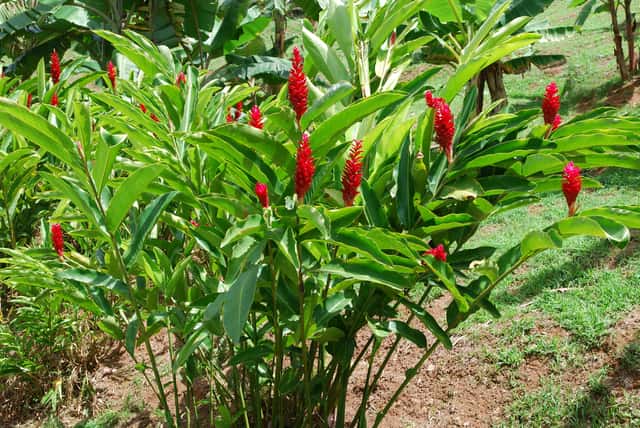
Red Ginger (Alpinia purpurata) is a medium-care plant from the Zingiberaceae family. Red Ginger (Alpinia purpurata) is a stunning tropical plant native to the South Pacific, celebrated for its dramatic crimson-red flower spikes rising above glossy lance-shaped foliage. A member of the Zingiberaceae family, it is widely cultivated as an ornamental in tropical and subtropical gardens...
Red Ginger grows up to 2.4m, spread of 120cm, watering every 3 days, 18°C – 32°C, 60–80% humidity. It is suitable for indoor environments and safe for pets.
Unlike many popular species, Red Ginger is safe to keep around pets. Without adequate drainage, root rot can develop within 7 days.
How to Care for Red Ginger?
TLDR: Red Ginger needs Bright indirect, watering every 3 days, and temperatures between 18-32°C with 60-80% humidity.
How Often Should You Water Red Ginger?
Water Red Ginger every 2–4 days during summer, keeping the soil consistently moist but never waterlogged. Reduce frequency in winter. Always check soil moisture by inserting your finger 2 cm before watering.
How Much Light Does Red Ginger Need?
Prefers bright light with direct morning sun and partial shade during the hottest hours. Indoors, place near south- or east-facing windows with at least 6 hours of bright indirect light. Avoid deep shade, which inhibits flowering.
What Is the Best Soil for Red Ginger?
Use rich, well-draining soil with high organic matter — a mix of loamy potting soil, perlite, and compost works well. Maintain a slightly acidic pH of 6.0–6.8. Avoid heavy clay soils.
What Pot Should You Use for Red Ginger?
Terracotta or ceramic pots with drainage holes are ideal for maintaining moisture without waterlogging. In warm climates, dark-colored pots absorb heat and promote vigorous rhizome growth.
Care Schedule
Fertilize
Every 30 days
Misting
Every 3 days
Repot
Every 365 days
What Is Red Ginger and Where Does It Come From?
Red Ginger (Alpinia purpurata) is a stunning tropical plant native to the South Pacific, celebrated for its dramatic crimson-red flower spikes rising above glossy lance-shaped foliage. A member of the Zingiberaceae family, it is widely cultivated as an ornamental in tropical and subtropical gardens and as a potted plant in warm interiors. Its long-lasting blooms make it highly prized for floral arrangements, leis, and landscape use.
How to Propagate Red Ginger?
Rhizome Division
Use sterilized tools to prevent disease transmission. Keep soil consistently moist for the first 30 days after planting.
- 1 Carefully dig up the rhizome in spring or early summer
- 2 Divide the rhizome with a clean, sharp knife ensuring each section has at least one growth bud
- 3 Plant each section 5 cm deep in rich, moist potting mix
- 4 Water well and keep in a warm, humid location until established
Materials needed:
How Big Does Red Ginger Grow?
TLDR: Red Ginger can reach up to 2.4m tall with Fast growth rate.
Max height
2.4m
Spread
1.2m
Growth rate
Fast
Foliage
Evergreen
Plant Uses
Ornamental
Great for decoration
Is your plant showing symptoms?
Click on the symptom to discover possible causes:
What Diseases Commonly Affect Red Ginger?
TLDR: Red Ginger is susceptible to 9 known diseases. Monitor regularly for early detection.
Root Rot
Root rot is a serious fungal disease that affects the root system of plants, causing them to decay and die. It is primarily caused by overwatering, poor drainage, or soil-borne fungi such as Pythium, Phytophthora, Rhizoctonia, and Fusarium. The disease thrives in waterlogged conditions where roots are deprived of oxygen, making them susceptible to fungal infection.
Fusarium Wilt
Fusarium wilt is a serious fungal disease caused by the soil-borne fungus Fusarium oxysporum. The fungus invades roots and blocks the water-conducting vessels (xylem) of the plant, causing progressive wilting and eventual death. Host-specific forms of the pathogen exist that attack different plant species.
Leaf Spot
Leaf spot is a common fungal disease caused by various pathogens including Alternaria, Ascochyta, Colletotrichum, Septoria, and Venturia. It primarily affects leaves, causing discolored spots that can lead to premature leaf drop if left untreated.
Aphids
Aphids are small, soft-bodied, pear-shaped insects (1/16 to 1/8 inch long) that feed by sucking nutrient-rich sap from plants. They reproduce rapidly and can quickly weaken plants, causing distorted growth and transmitting plant viruses. Aphids come in various colors including green, black, red, yellow, brown, and gray. They secrete honeydew, a sticky substance that attracts ants and encourages sooty mold growth.
Meaning & Symbolism
Symbolizes beauty, good fortune, and celebration in Hawaiian and Pacific cultures. Traditionally used in leis and festive garlands worldwide.
Fun Facts
Red Ginger can reach up to 4 meters tall in ideal tropical conditions
Its flower spikes are so long-lasting they can last weeks when cut — perfect for floral arrangements
The plant originates from Melanesia and the South Pacific, where it grows naturally in humid forests
It is one of the most commonly used flowers in traditional Hawaiian leis
Frequently asked questions
How often should I water Red Ginger?
Can Red Ginger be grown in containers?
Is Red Ginger toxic to pets?
Why is my Red Ginger not blooming?
Compare with similar plants
| Attribute | Difficulty | Light | Watering | Pet Safe |
|---|---|---|---|---|
| Dark Fieldcap | Medium | Low light | 2d | ⚠️ |
| Azalea | Medium | Partial shade | 3d | ⚠️ |
| Bougainvillea | Medium | Direct sun | 7d | ⚠️ |
| Wild Lettuce | Medium | Direct sun | 7d | ⚠️ |



