Rosaceae
Cotoneaster: The Hardy Four-Season Ornamental Shrub
Cotoneaster
A very hardy and low-maintenance shrub. Prefers full sun but tolerates partial shade. Once established, it is drought tolerant and needs only moderate watering. Thrives in well-drained soils with a pH of 5.0–8.0. Adapts to poor soils, slopes, and exposed sites. Suitable for USDA Hardiness Zones 3–10.
Every 10 days
Bright indirect
-20° - 35°C
30% - 70%
Categories
What is Cotoneaster?
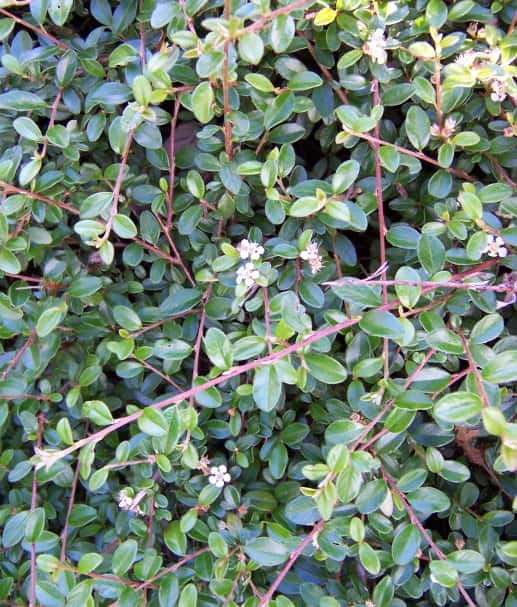
Cotoneaster (Cotoneaster) is a easy-care plant from the Rosaceae family. Cotoneaster is a large genus of flowering shrubs in the rose family (Rosaceae), native to the Palearctic region spanning temperate Asia, Europe, and North Africa. With over 300 species, it ranges from low-growing ground cover plants to upright shrubs reaching 5 m tall. Widely cultivated in gardens f...
Cotoneaster grows up to 5.0m, spread of 360cm, watering every 10 days, -20°C – 35°C, 30–70% humidity. It is not suitable for indoor environments and not safe for pets.
Unlike many tropical plants, Cotoneaster tolerates watering mistakes. Best for beginners. Without precautions, ingestion can cause irritation in pets. Keep out of reach of cats and dogs.
How to Care for Cotoneaster?
TLDR: Cotoneaster needs Bright indirect, watering every 10 days, and temperatures between -20-35°C with 30-70% humidity.
How Often Should You Water Cotoneaster?
Water regularly during the first growing season to establish a strong root system. Once established, cotoneaster is drought tolerant — water only when the top inch of soil is dry (every 7–14 days in summer). Avoid overwatering as it can lead to root rot and fungal diseases.
How Much Light Does Cotoneaster Need?
Plant in full sun for maximum flowering, berry production, and vibrant autumn colour. Tolerates partial shade but may produce fewer berries and show less vigorous growth. Avoid deep shade.
What Is the Best Soil for Cotoneaster?
Prefers moderately fertile, well-drained soil. Adapts to almost any soil type — sandy, loamy, or clay — as long as it does not remain waterlogged. Amend with compost at planting to improve soil structure. Tolerates poor soils and salt spray.
What Pot Should You Use for Cotoneaster?
Terracotta or stone pot for container cultivation; ground planting preferred for full growth. In containers, choose large pots with ample drainage holes.
Care Schedule
Fertilize
Every 90 days
What Is Cotoneaster and Where Does It Come From?
Cotoneaster is a large genus of flowering shrubs in the rose family (Rosaceae), native to the Palearctic region spanning temperate Asia, Europe, and North Africa. With over 300 species, it ranges from low-growing ground cover plants to upright shrubs reaching 5 m tall. Widely cultivated in gardens for year-round ornamental interest: delicate spring flowers, vibrant autumn foliage, and long-lasting decorative red berries in winter that attract birds and pollinators.
How to Propagate Cotoneaster?
Semi-hardwood cutting
Take cuttings from the current year's growth in mid to late summer. Cover with a plastic bag or propagation dome to maintain humidity. Avoid direct sunlight during rooting.
- 1 Take a 10–15 cm semi-hardwood cutting with 2–3 pairs of leaves
- 2 Remove lower leaves and dip the base in rooting hormone powder
- 3 Insert into a 50/50 mix of peat and perlite
- 4 Keep moist in a bright spot out of direct sun at 18–22°C
- 5 Pot individually once roots are established
Materials needed:
Seed propagation
Germination can be slow and irregular. Mechanical scarification before cold stratification can improve germination rates significantly.
- 1 Collect ripe berries in autumn and extract seeds
- 2 Cold-stratify seeds for 3–4 months in the refrigerator at 4°C
- 3 Sow in moist seed compost in spring
- 4 Keep in a cool bright location with indirect light
- 5 Transplant seedlings once they reach 5–10 cm
Materials needed:
How Big Does Cotoneaster Grow?
TLDR: Cotoneaster can reach up to 5.0m tall with Medium growth rate.
Max height
5.0m
Spread
3.6m
Growth rate
Medium
Foliage
Semi-evergreen
Warning: Toxic Plant
This plant can be toxic if ingested. Keep out of reach of:
Plant Uses
Ornamental
Great for decoration
Ground Cover
Soil coverage
Is your plant showing symptoms?
Click on the symptom to discover possible causes:
What Diseases Commonly Affect Cotoneaster?
TLDR: Cotoneaster is susceptible to 6 known diseases. Monitor regularly for early detection.
Fire Blight
Fire blight is a highly destructive and contagious bacterial disease caused by Erwinia amylovora. It primarily affects plants in the Rosaceae family, including apple, pear, quince trees, and various ornamental plants. The disease can destroy an entire orchard in a single growing season under ideal conditions, with the bacterium moving approximately 11 inches per week in new growth.
Leaf Spot
Leaf spot is a common fungal disease caused by various pathogens including Alternaria, Ascochyta, Colletotrichum, Septoria, and Venturia. It primarily affects leaves, causing discolored spots that can lead to premature leaf drop if left untreated.
Spider Mites
Spider mites are tiny arachnids (less than 1/20 inch long) related to spiders and ticks that feed on plant sap. They thrive in hot, dry conditions and can cause significant damage to ornamental and vegetable plants. During severe infestations, crop losses can reach 14% or higher as these pests disrupt vital plant processes including photosynthesis, carbon dioxide absorption, and transpiration.
Aphids
Aphids are small, soft-bodied, pear-shaped insects (1/16 to 1/8 inch long) that feed by sucking nutrient-rich sap from plants. They reproduce rapidly and can quickly weaken plants, causing distorted growth and transmitting plant viruses. Aphids come in various colors including green, black, red, yellow, brown, and gray. They secrete honeydew, a sticky substance that attracts ants and encourages sooty mold growth.
Meaning & Symbolism
Cotoneaster symbolises perseverance and resilience due to its remarkable hardiness across diverse climates and poor soils. Its abundant red winter berries are associated with vitality and endurance through adversity.
Fun Facts
The name Cotoneaster derives from the Latin 'cotoneum' (quince) and the suffix '-aster' (resembling), literally meaning 'quince-like'.
The genus Cotoneaster contains over 300 species, ranging from low ground covers just 30 cm tall to shrubs reaching 5 metres.
Cotoneaster berries are an important winter food source for birds such as blackbirds, thrushes, and waxwings.
Cotoneaster horizontalis, with its distinctive fishbone branching pattern, is widely used in bonsai cultivation.
Frequently asked questions
How often should I water cotoneaster?
Is cotoneaster toxic to pets?
Does cotoneaster lose its leaves in winter?
When does cotoneaster flower?
How do I propagate cotoneaster?
Compare with similar plants
| Attribute | Difficulty | Light | Watering | Pet Safe |
|---|---|---|---|---|
| Field Maple | Easy | Bright indirect | 14d | ✓ |
| Silver Birch | Easy | Direct sun | 14d | ✓ |
| Cushion Bush | Easy | Direct sun | 14d | ✓ |
| Peruvian peppertree | Easy | Direct sun | 14d | ⚠️ |





