Ericaceae
Alpenrose Care Guide
Rhododendron ferrugineum
Needs acidic, moist but well-drained soil, full sun to partial shade, and protection from hot, dry conditions. Very cold hardy but intolerant of lime and waterlogging.
Every 7 days
Bright indirect
-20° - 24°C
50% - 75%
Categories
What is Alpenrose?
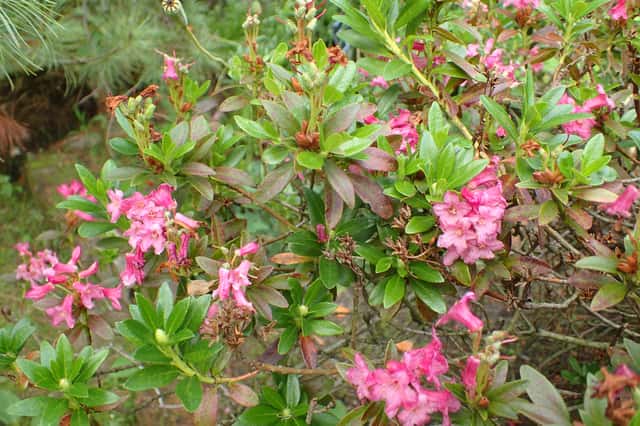
Alpenrose (Rhododendron ferrugineum) is a medium-care plant from the Ericaceae family. Alpenrose (Rhododendron ferrugineum) is a low, evergreen shrub native to the acidic, siliceous soils of the Alps, Pyrenees, Jura and northern Apennines, growing just above the tree line. Its glossy, leathery leaves have a distinctive rust-brown underside, and it produces clusters of bell-shaped pink...
Alpenrose grows up to 1.2m, spread of 100cm, watering every 7 days, -20°C – 24°C, 50–75% humidity. It is not suitable for indoor environments and not safe for pets.
Without precautions, ingestion can cause irritation in pets. Keep out of reach of cats and dogs.
How to Care for Alpenrose?
TLDR: Alpenrose needs Bright indirect, watering every 7 days, and temperatures between -20-24°C with 50-75% humidity.
How Often Should You Water Alpenrose?
Keep soil consistently moist with rainwater or unsoftened water; never let it dry out completely or sit waterlogged.
How Much Light Does Alpenrose Need?
Thrives in full sun in cool climates or partial shade where summers are hot; protect from scorching afternoon sun.
What Is the Best Soil for Alpenrose?
Use acidic (pH 4.5-5.5), humus-rich, well-draining soil such as ericaceous compost; avoid lime or chalky soils.
What Pot Should You Use for Alpenrose?
Wide, well-draining pot with ericaceous (acidic) potting mix if grown in a container; terracotta helps prevent waterlogging.
Care Schedule
Fertilize
Every 180 days
What Is Alpenrose and Where Does It Come From?
Alpenrose (Rhododendron ferrugineum) is a low, evergreen shrub native to the acidic, siliceous soils of the Alps, Pyrenees, Jura and northern Apennines, growing just above the tree line. Its glossy, leathery leaves have a distinctive rust-brown underside, and it produces clusters of bell-shaped pink to crimson flowers in early summer. All parts of the plant contain grayanotoxins and are toxic if ingested.
How to Propagate Alpenrose?
Semi-hardwood cuttings
Alpenrose roots slowly and needs consistently acidic, moist substrate; avoid letting cuttings dry out or waterlog.
- 1 Take 8-10 cm semi-hardwood cuttings from non-flowering shoots in late summer
- 2 Remove lower leaves and wound the base of the stem lightly
- 3 Dip the cut end in rooting hormone
- 4 Insert into a moist mix of peat and perlite, keep humid and shaded
- 5 Root in a cold frame or propagator; transplant once well rooted
Materials needed:
Ground layering
Layering mimics how alpenrose naturally spreads in the wild and has a higher success rate than cuttings.
- 1 Select a low, flexible branch close to the ground
- 2 Wound the underside of the branch lightly and dust with rooting hormone
- 3 Peg the wounded section into acidic, moist soil, leaving the tip exposed
- 4 Keep the soil consistently moist and mulched
- 5 Once well rooted, sever from the parent plant and transplant
Materials needed:
How Big Does Alpenrose Grow?
TLDR: Alpenrose can reach up to 1.2m tall with Slow growth rate.
Max height
1.2m
Spread
1.0m
Growth rate
Slow
Foliage
Evergreen
Warning: Toxic Plant
This plant can be toxic if ingested. Keep out of reach of:
Plant Uses
Ornamental
Great for decoration
Is your plant showing symptoms?
Click on the symptom to discover possible causes:
What Diseases Commonly Affect Alpenrose?
TLDR: Alpenrose is susceptible to 5 known diseases. Monitor regularly for early detection.
Phytophthora Root Rot
The Phytophthora genus consists of soil-borne oomycetes (water molds) that act as plant pathogens, primarily affecting trees and woody plants. It typically spreads through the root system, leading to systemic decline and eventual plant collapse.
Phytophthora Root Rot
Disease caused by fungus-like organisms (oomycetes) that live in soil and can survive for years. It affects roots, stem, and crown of plants, being especially severe in waterlogged or poorly drained soils. It is the second most common cause of root rot in trees and shrubs.
Powdery Mildew
Powdery mildew is a common fungal disease caused by various fungi species including Erysiphe, Podosphaera, Oïdium, and Leveillula. It affects over 10,000 plant species worldwide. The disease thrives in warm, dry climates with high humidity and appears as a distinctive white powdery coating on plant surfaces.
Grey Mould
Meaning & Symbolism
A symbol of alpine resilience and untamed mountain beauty in Swiss and Austrian folklore.
Fun Facts
It grows naturally just above the tree line in the Alps, tolerating heavy snow cover for months.
The rust-colored scales on the leaf undersides give the species its name ferrugineum, meaning rusty.
It is a flower emblem associated with several alpine regions of Switzerland and Austria.
Frequently asked questions
Is Alpenrose toxic to pets?
Can Alpenrose grow in normal garden soil?
How much sun does Alpenrose need?
When does Alpenrose flower?
Compare with similar plants
| Attribute | Difficulty | Light | Watering | Pet Safe |
|---|---|---|---|---|
| Dark Fieldcap | Medium | Low light | 2d | ⚠️ |
| Azalea | Medium | Partial shade | 3d | ⚠️ |
| Muriel's Bamboo | Medium | Partial shade | 3d | ✓ |
| Bougainvillea | Medium | Direct sun | 7d | ⚠️ |




