Lamiaceae
aluminium plant: Best for Low Light
Lamium galeobdolon
A low-maintenance groundcover that thrives in shade and moist, fertile soil. It spreads rapidly via runners and requires minimal attention once established.
Every 10 days
Low light
-29° - 30°C
30% - 50%
Categories
What is aluminium plant?
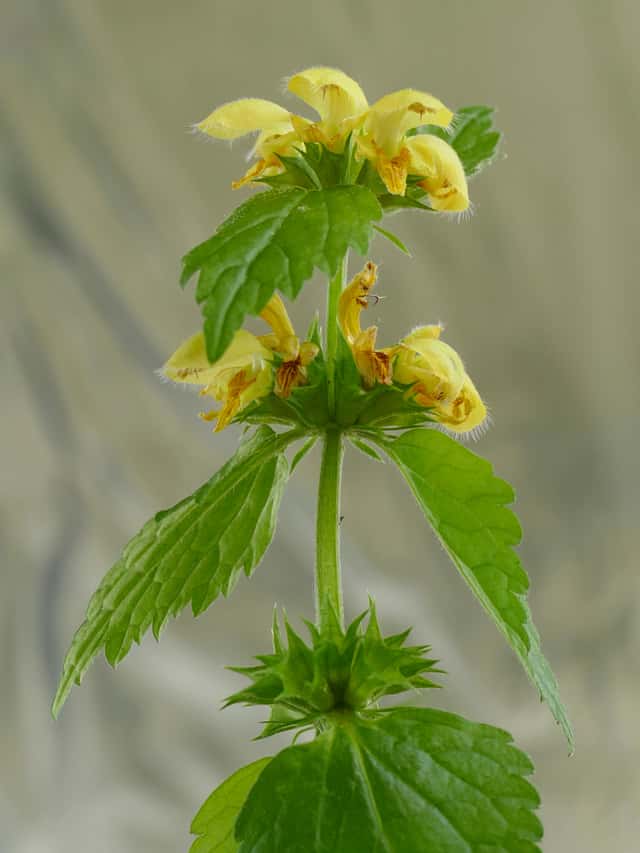
aluminium plant (Lamium galeobdolon) is a easy-care plant from the Lamiaceae family. Lamium galeobdolon, commonly known as Yellow Archangel, is a vigorous perennial groundcover. It is distinguished by its striking variegated leaves, which often feature silver-metallic patterns that give it the nickname 'aluminium plant' in some regions. In late spring, it produces upright spikes of...
aluminium plant grows up to 60cm, spread of 150cm, watering every 10 days, -29°C – 30°C, 30–50% humidity. It is not suitable for indoor environments and safe for pets.
Unlike many tropical plants, aluminium plant tolerates watering mistakes. Best for beginners. Unlike many popular species, aluminium plant is safe to keep around pets.
How to Care for aluminium plant?
TLDR: aluminium plant needs Low light, watering every 10 days, and temperatures between -29-30°C with 30-50% humidity.
How Often Should You Water aluminium plant?
Keep the soil consistently moist during the first growing season; established plants are moderately drought-tolerant but prefer regular moisture.
How Much Light Does aluminium plant Need?
Avoid direct sunlight, which can bleach or burn the silver-patterned leaves; it performs best in dappled or full shade.
What Is the Best Soil for aluminium plant?
Thrives in humus-rich, moist, but well-drained soil; it is tolerant of most soil types including heavy clay.
What Pot Should You Use for aluminium plant?
Wide, shallow containers or hanging baskets to accommodate its trailing and spreading growth habit.
What Is aluminium plant and Where Does It Come From?
Lamium galeobdolon, commonly known as Yellow Archangel, is a vigorous perennial groundcover. It is distinguished by its striking variegated leaves, which often feature silver-metallic patterns that give it the nickname 'aluminium plant' in some regions. In late spring, it produces upright spikes of hooded, bright yellow flowers. It is exceptionally hardy and thrives in the deep shade of woodland gardens where other plants struggle to grow.
How to Propagate aluminium plant?
Root Division
- Division is best done in early spring before the main growth spurt.
- Keep the new divisions well-watered until they show signs of new growth.
- 1 Dig up a clump
Carefully lift an established patch of the plant with a spade, ensuring you get plenty of roots.
- 2 Separate the sections
Pull the clump apart into smaller sections, each with several healthy stems and a good root system.
- 3 Replant
Place the sections into new locations at the same depth they were previously growing and water thoroughly.
Materials needed:
Stem Cuttings
- Cuttings root very easily in plain water.
- If using soil, keep the humidity high by covering with a plastic bag.
- 1 Take cuttings
Cut a 10-15cm healthy stem just below a leaf node.
- 2 Prepare the stem
Remove the lower leaves, leaving only the top two pairs.
- 3 Root in water or soil
Place the cutting in a glass of water or directly into moist potting soil.
Materials needed:
How Big Does aluminium plant Grow?
TLDR: aluminium plant can reach up to 60cm tall with Fast growth rate.
Max height
60cm
Spread
1.5m
Growth rate
Fast
Foliage
Semi-evergreen
Plant Uses
Ornamental
Great for decoration
Medicinal Uses
- Historically used in European folk medicine for its astringent and anti-inflammatory properties
- Used in herbal teas to support kidney and bladder health
Is your plant showing symptoms?
Click on the symptom to discover possible causes:
What Diseases Commonly Affect aluminium plant?
TLDR: aluminium plant is susceptible to 10 known diseases. Monitor regularly for early detection.
Powdery Mildew
Powdery mildew is a common fungal disease caused by various fungi species including Erysiphe, Podosphaera, Oïdium, and Leveillula. It affects over 10,000 plant species worldwide. The disease thrives in warm, dry climates with high humidity and appears as a distinctive white powdery coating on plant surfaces.
Root Rot
Root rot is a serious fungal disease that affects the root system of plants, causing them to decay and die. It is primarily caused by overwatering, poor drainage, or soil-borne fungi such as Pythium, Phytophthora, Rhizoctonia, and Fusarium. The disease thrives in waterlogged conditions where roots are deprived of oxygen, making them susceptible to fungal infection.
Downy Mildew
Downy mildew is a fungal-like disease caused by oomycetes (water molds) that thrives in cool, wet conditions. It affects a wide range of plants, causing yellowing leaves with fuzzy white-gray growth underneath, leading to defoliation and reduced yields if left untreated.
Leaf Spot
Leaf spot is a common fungal disease caused by various pathogens including Alternaria, Ascochyta, Colletotrichum, Septoria, and Venturia. It primarily affects leaves, causing discolored spots that can lead to premature leaf drop if left untreated.
Meaning & Symbolism
Often represents resilience and the ability to find light and beauty in the darkest places.
Compare with similar plants
| Attribute | Difficulty | Light | Watering | Pet Safe |
|---|---|---|---|---|
| Field Maple | Easy | Bright indirect | 14d | ✓ |
| Silver Birch | Easy | Direct sun | 14d | ✓ |
| Common Blanketflower | Easy | Direct sun | 10d | ✓ |
| Cushion Bush | Easy | Direct sun | 14d | ✓ |





