Adoxaceae
American elderberry: Edible Plant
Sambucus canadensis
Grow in full sun to light shade in moist, fertile, well-drained soil. Water deeply once or twice weekly during dry spells, especially through bloom and fruit set. Mulch yearly to retain moisture. Prune out old or damaged canes in late winter to encourage vigorous new growth and better fruiting.
Every 7 days
Bright indirect
15° - 29°C
30% - 70%
Categories
What is American elderberry?
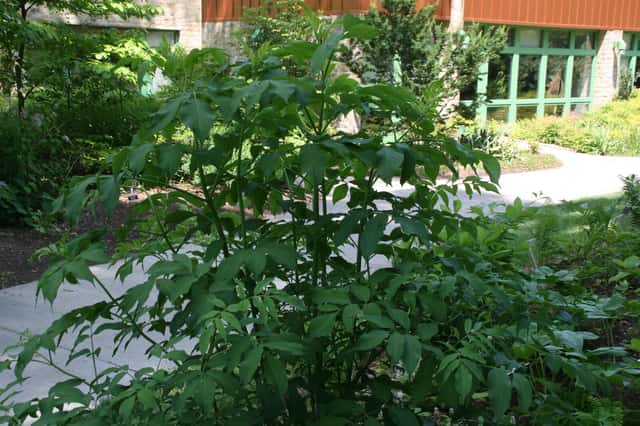
American elderberry (Sambucus canadensis) is a easy-care plant from the Adoxaceae family. Sambucus canadensis, the American elderberry, is a fast-growing deciduous shrub native to eastern and central North America. It forms an open, multi-stemmed thicket 1.5-3.5 m tall, with pinnately compound leaves and large flat-topped clusters of fragrant creamy-white flowers in early summer, followe...
American elderberry grows up to 3.7m, spread of 366cm, watering every 7 days, 15°C – 29°C, 30–70% humidity. It is not suitable for indoor environments and not safe for pets.
Unlike many tropical plants, American elderberry tolerates watering mistakes. Best for beginners. Without precautions, ingestion can cause irritation in pets. Keep out of reach of cats and dogs.
How to Care for American elderberry?
TLDR: American elderberry needs Bright indirect, watering every 7 days, and temperatures between 15-29°C with 30-70% humidity.
How Often Should You Water American elderberry?
Water deeply once or twice a week during dry periods, more often for young plants and during flowering/fruiting. Avoid letting the soil dry out completely, but do not let it sit waterlogged.
How Much Light Does American elderberry Need?
Prefers full sun (6+ hours) for best flowering and fruiting, but tolerates light shade, especially in hot climates.
What Is the Best Soil for American elderberry?
Plant in rich, moist, well-drained loamy soil with a slightly acidic to neutral pH (5.5-7.0). Tolerates clay, sand, and occasional wet soil.
Care Schedule
Fertilize
Every 14 days
Misting
Every 3 days
Rotate
Every 7 days
Repot
Every 365 days
What Is American elderberry and Where Does It Come From?
Sambucus canadensis, the American elderberry, is a fast-growing deciduous shrub native to eastern and central North America. It forms an open, multi-stemmed thicket 1.5-3.5 m tall, with pinnately compound leaves and large flat-topped clusters of fragrant creamy-white flowers in early summer, followed by clusters of small purple-black berries in late summer.
How Big Does American elderberry Grow?
TLDR: American elderberry can reach up to 3.7m tall with Fast growth rate.
Max height
3.7m
Spread
3.7m
Growth rate
Fast
Foliage
Deciduous
Warning: Toxic Plant
This plant can be toxic if ingested. Keep out of reach of:
Plant Uses
Edible
Can be consumed
Medicinal
Medicinal properties
Ornamental
Great for decoration
Medicinal Uses
- Cooked ripe berries and dried flowers are used in traditional preparations (syrups, teas) associated with immune and cold/flu support; consult a healthcare professional before medicinal use.
Culinary Uses
- Ripe, cooked berries are used in pies, jams, jellies, syrups, and wine. Flower clusters can be battered and fried or infused into cordials. All raw plant parts (including unripe berries, leaves, stems, and roots) are toxic and must never be eaten raw.
Is your plant showing symptoms?
Click on the symptom to discover possible causes:
What Diseases Commonly Affect American elderberry?
TLDR: American elderberry is susceptible to 6 known diseases. Monitor regularly for early detection.
Powdery Mildew
Powdery mildew is a common fungal disease caused by various fungi species including Erysiphe, Podosphaera, Oïdium, and Leveillula. It affects over 10,000 plant species worldwide. The disease thrives in warm, dry climates with high humidity and appears as a distinctive white powdery coating on plant surfaces.
Leaf Spot
Leaf spot is a common fungal disease caused by various pathogens including Alternaria, Ascochyta, Colletotrichum, Septoria, and Venturia. It primarily affects leaves, causing discolored spots that can lead to premature leaf drop if left untreated.
Canker
Canker is a disease caused by various fungi and bacteria that create necrotic, sunken areas on bark of branches, stems, and trunks. Pathogens enter through wounds and natural openings, especially when plants are stressed. Canker can gradually weaken or kill branches by disrupting water and nutrient flow.
Aphids
Aphids are small, soft-bodied, pear-shaped insects (1/16 to 1/8 inch long) that feed by sucking nutrient-rich sap from plants. They reproduce rapidly and can quickly weaken plants, causing distorted growth and transmitting plant viruses. Aphids come in various colors including green, black, red, yellow, brown, and gray. They secrete honeydew, a sticky substance that attracts ants and encourages sooty mold growth.
Compare with similar plants
| Attribute | Difficulty | Light | Watering | Pet Safe |
|---|---|---|---|---|
| Field Maple | Easy | Bright indirect | 14d | ✓ |
| Silver Birch | Easy | Direct sun | 14d | ✓ |
| Common Blanketflower | Easy | Direct sun | 10d | ✓ |
| Cushion Bush | Easy | Direct sun | 14d | ✓ |
Choose & Compare
Sources & References
- Sambucus canadensis - NC State Extension Gardener Plant Toolbox
- American Elderberry (Sambucus canadensis): Benefits, Uses, Care - Gardenia.net
- Sambucus canadensis - Missouri Botanical Garden Plant Finder
- Common elderberry - The Morton Arboretum
- Sambucus canadensis - PFAF Plant Database
- American Elderberry (Sambucus canadensis) - University of Illinois Extension





