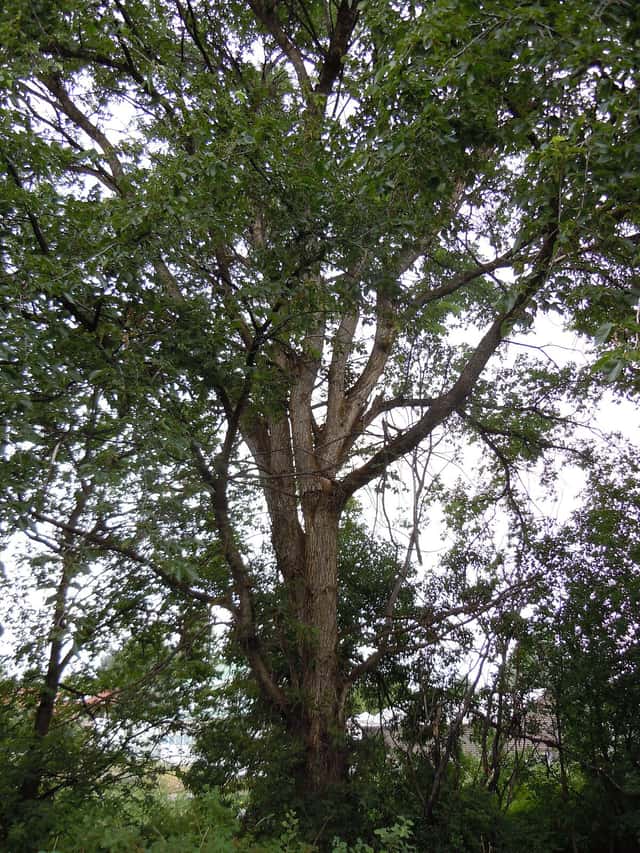
Ulmaceae
American elm: Edible Plant
Ulmus americana
The American elm is a hardy and relatively low-maintenance tree that performs well in full sun to light shade and tolerates both dry and wet periods once established. It does not have strict soil requirements but thrives best in nutrient-rich, well-drained loam. Be vigilant regarding Dutch elm disease, which remains the greatest threat to the species.
Every 10 days
Bright indirect
-40° - 35°C
30% - 70%
Categories
What is American elm?
American elm (Ulmus americana) is a medium-care plant from the Ulmaceae family. The American elm (Ulmus americana) is a fast-growing, deciduous tree from the elm family (Ulmaceae), originally native to eastern North America. The tree is known for its characteristic vase-shaped crown and can reach heights of up to 24 meters in the wild with a correspondingly wide canopy. From th...
American elm grows up to 24.0m, spread of 1800cm, watering every 10 days, -40°C – 35°C, 30–70% humidity. It is not suitable for indoor environments and safe for pets.
Unlike many popular species, American elm is safe to keep around pets.
How to Care for American elm?
TLDR: American elm needs Bright indirect, watering every 10 days, and temperatures between -40-35°C with 30-70% humidity.
How Often Should You Water American elm?
Water newly planted trees regularly until the root system is established. Mature trees have moderate drought tolerance and typically manage with natural rainfall, but should be given extra water during prolonged dry spells.
How Much Light Does American elm Need?
Place the tree in full sun for the most vigorous growth and densest canopy; however, it also tolerates light, dappled shade.
What Is the Best Soil for American elm?
American elm tolerates most soil types, from sandy to clay-heavy, but prefers moist, nutrient-rich, and well-drained loam with a neutral to slightly acidic or alkaline pH.
What Pot Should You Use for American elm?
The American elm is a large shade tree and is not suitable for permanent cultivation in pots. Young plants can temporarily be kept in a spacious, deep-draining planter, but should be transplanted into the ground within a few years.
What Is American elm and Where Does It Come From?
The American elm (Ulmus americana) is a fast-growing, deciduous tree from the elm family (Ulmaceae), originally native to eastern North America. The tree is known for its characteristic vase-shaped crown and can reach heights of up to 24 meters in the wild with a correspondingly wide canopy. From the mid-20th century, Dutch elm disease decimated large portions of the wild population in North America, but disease-resistant cultivars have since been developed. The species produces small, inconspicuous greenish-red flowers in early spring before the leaves emerge, and features coarse, dark green foliage that turns golden in the fall.
How to Propagate American elm?
Propagation by seed
- Fresh, newly harvested seeds germinate much more reliably than stored seeds.
- Avoid letting the soil dry out during the germination phase.
- 1 Seed Collection
Collect the flat, paper-thin seeds as soon as they fall from the tree in early summer while they are still fresh.
- 2 Sowing
Sow the seeds immediately in light, well-drained soil without deep coverage, as they germinate best when fresh.
- 3 Care
Keep the soil evenly moist; seeds typically germinate within a few days to a couple of weeks.
Materials needed:
How Big Does American elm Grow?
TLDR: American elm can reach up to 24.0m tall with Fast growth rate.
Max height
24.0m
Spread
18.0m
Growth rate
Fast
Foliage
Deciduous
Plant Uses
Ornamental
Great for decoration
Air Purifying
Improves air quality
Medicinal
Medicinal properties
Edible
Can be consumed
Medicinal Uses
- Bark used in decoctions and infusions for coughs and colds
- Astringent properties traditionally used to treat diarrhea
- Used as a wound wash - folk medicine use, not scientifically documented
Culinary Uses
- Young leaves can be eaten raw or cooked
- Red inner bark historically used to make a coffee-like beverage
Is your plant showing symptoms?
Click on the symptom to discover possible causes:
What Diseases Commonly Affect American elm?
TLDR: American elm is susceptible to 6 known diseases. Monitor regularly for early detection.
Verticillium Wilt
Verticillium wilt is a soil-borne fungal disease caused primarily by the fungi Verticillium dahliae and V. albo-atrum. These pathogens infect plant roots and grow within the vascular tissues, blocking water and nutrient transport, resulting in wilting and eventual plant death. The disease affects over 350 plant species including vegetables, fruits, ornamental flowers, and trees. The fungi can survive in soil for more than 10 years as resistant structures called microsclerotia.
Canker
Canker is a disease caused by various fungi and bacteria that create necrotic, sunken areas on bark of branches, stems, and trunks. Pathogens enter through wounds and natural openings, especially when plants are stressed. Canker can gradually weaken or kill branches by disrupting water and nutrient flow.
Leafminers
Leafminers are the larvae of various insects including flies, moths, sawflies, and beetles that tunnel between leaf surfaces, creating distinctive serpentine trails or blotchy patches. While primarily cosmetic, severe infestations can weaken plants by reducing photosynthesis capacity and making them susceptible to secondary infections.
Aphids
Aphids are small, soft-bodied, pear-shaped insects (1/16 to 1/8 inch long) that feed by sucking nutrient-rich sap from plants. They reproduce rapidly and can quickly weaken plants, causing distorted growth and transmitting plant viruses. Aphids come in various colors including green, black, red, yellow, brown, and gray. They secrete honeydew, a sticky substance that attracts ants and encourages sooty mold growth.
Meaning & Symbolism
The elm tree has traditionally symbolized strength, dignity, and endurance. In North America, the American elm has additionally become a symbol of resilience because the species continues to grow and be replanted in cities and parks despite the mass die-offs caused by Dutch elm disease.
Compare with similar plants
| Attribute | Difficulty | Light | Watering | Pet Safe |
|---|---|---|---|---|
| Dark Fieldcap | Medium | Low light | 2d | ⚠️ |
| Azalea | Medium | Partial shade | 3d | ⚠️ |
| Muriel's Bamboo | Medium | Partial shade | 3d | ✓ |
| Bougainvillea | Medium | Direct sun | 7d | ⚠️ |




