Phytolaccaceae
American Pokeweed: How to Grow and Care for Phytolacca americana
Phytolacca americana
A robust, low-maintenance plant that thrives in full sun to part shade. Prefers consistently moist, well-drained soil. Extremely toxic — always wear gloves when handling. Best suited for naturalized gardens, woodland edges, and pollinator gardens. Not suitable for indoor growing.
Every 5 days
Bright indirect
-20° - 35°C
40% - 70%
Categories
What is American pokeweed?
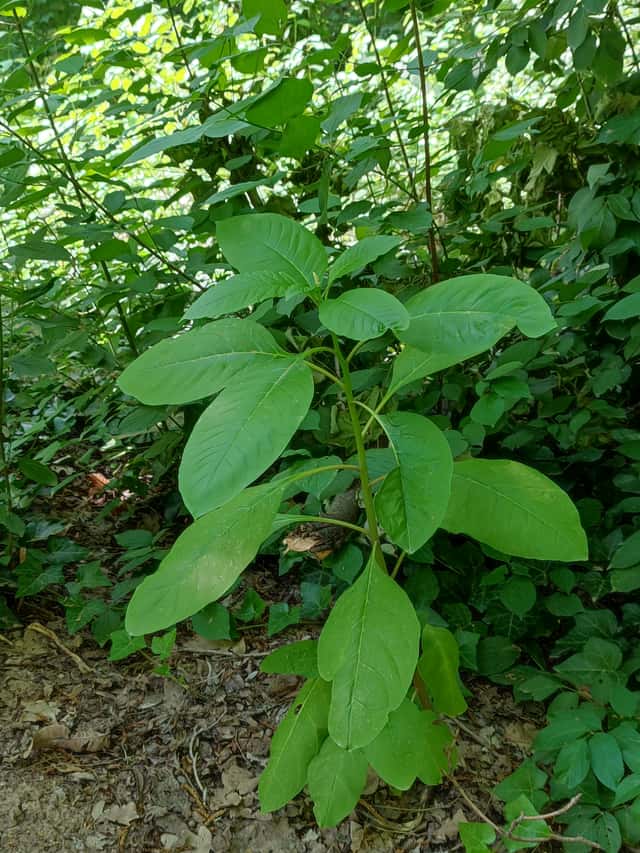
American pokeweed (Phytolacca americana) is a easy-care plant from the Phytolaccaceae family. Phytolacca americana, commonly known as American pokeweed, is a large, fast-growing herbaceous perennial native to eastern North America. It can reach up to 10 feet tall with stout reddish-purple stems and large leaves that emit an unpleasant odor when crushed. In summer it produces long racemes of...
American pokeweed grows up to 3.0m, spread of 150cm, watering every 5 days, -20°C – 35°C, 40–70% humidity. It is not suitable for indoor environments and not safe for pets.
Unlike many tropical plants, American pokeweed tolerates watering mistakes. Best for beginners. Without precautions, ingestion can cause irritation in pets. Keep out of reach of cats and dogs.
How to Care for American pokeweed?
TLDR: American pokeweed needs Bright indirect, watering every 5 days, and temperatures between -20-35°C with 40-70% humidity.
How Often Should You Water American pokeweed?
Water every 5 days to keep soil consistently moist, especially during hot summer months. Tolerates brief drought periods but grows best with regular moisture. Avoid waterlogging to prevent root rot.
How Much Light Does American pokeweed Need?
Plant in full sun (6+ hours of direct sunlight daily) for best growth and flowering. Tolerates partial shade but may produce less vigorous growth. Avoid deep shade locations.
What Is the Best Soil for American pokeweed?
Grows in average, well-drained loamy soil but tolerates clay, sand, or silt. Accepts a wide pH range from acidic to alkaline (5.5–8.0). Adding organic matter improves moisture retention.
What Pot Should You Use for American pokeweed?
Not recommended for containers — outdoor garden plant only. The large tuberous root and tall growth habit make pot cultivation impractical.
What Is American pokeweed and Where Does It Come From?
Phytolacca americana, commonly known as American pokeweed, is a large, fast-growing herbaceous perennial native to eastern North America. It can reach up to 10 feet tall with stout reddish-purple stems and large leaves that emit an unpleasant odor when crushed. In summer it produces long racemes of small white flowers followed by striking dark purple-black berries beloved by birds. WARNING: All parts of the plant are highly toxic to humans, dogs, and cats.
How to Propagate American pokeweed?
Seed propagation
Seeds have a high germination rate. The plant also self-seeds readily in the garden — manage spread by removing seedlings early.
- 1 Collect seeds from ripe berries in autumn
- 2 Wash seeds to remove pulp and allow to dry
- 3 Sow in moist, well-drained soil in spring
- 4 Cover lightly with soil and keep moist until germination
Materials needed:
Root division
Always wear gloves when handling roots — they are the most toxic part of the plant.
- 1 Divide the large tuberous root in early spring before growth begins
- 2 Ensure each division has at least one viable bud
- 3 Replant immediately in a prepared outdoor location
Materials needed:
How Big Does American pokeweed Grow?
TLDR: American pokeweed can reach up to 3.0m tall with Fast growth rate.
Max height
3.0m
Spread
1.5m
Growth rate
Fast
Foliage
Deciduous
Warning: Toxic Plant
This plant can be toxic if ingested. Keep out of reach of:
Plant Uses
Ornamental
Great for decoration
Medicinal
Medicinal properties
Medicinal Uses
- Root historically used in external poultices for skin conditions and rheumatism in Appalachian folk medicine (external use only, under medical supervision)
- Pokeweed mitogen (PWM) extracted from roots is used in biomedical research to stimulate B-cell proliferation
Culinary Uses
- Young spring shoots edible only after repeated boiling with water changes — a traditional Appalachian practice requiring strict preparation ("poke sallet"); mature leaves and roots always toxic
Is your plant showing symptoms?
Click on the symptom to discover possible causes:
What Diseases Commonly Affect American pokeweed?
TLDR: American pokeweed is susceptible to 5 known diseases. Monitor regularly for early detection.
Mosaic Virus
Mosaic virus is a group of plant viruses that cause mottled, patchy patterns on leaves and can affect a wide variety of plants. The virus creates characteristic yellow, white, and green mosaic patterns, often accompanied by stunted growth and deformed plant parts. This highly contagious disease spreads rapidly through insect vectors and contaminated tools.
Root Rot
Root rot is a serious fungal disease that affects the root system of plants, causing them to decay and die. It is primarily caused by overwatering, poor drainage, or soil-borne fungi such as Pythium, Phytophthora, Rhizoctonia, and Fusarium. The disease thrives in waterlogged conditions where roots are deprived of oxygen, making them susceptible to fungal infection.
Powdery Mildew
Powdery mildew is a common fungal disease caused by various fungi species including Erysiphe, Podosphaera, Oïdium, and Leveillula. It affects over 10,000 plant species worldwide. The disease thrives in warm, dry climates with high humidity and appears as a distinctive white powdery coating on plant surfaces.
Aphids
Aphids are small, soft-bodied, pear-shaped insects (1/16 to 1/8 inch long) that feed by sucking nutrient-rich sap from plants. They reproduce rapidly and can quickly weaken plants, causing distorted growth and transmitting plant viruses. Aphids come in various colors including green, black, red, yellow, brown, and gray. They secrete honeydew, a sticky substance that attracts ants and encourages sooty mold growth.
Meaning & Symbolism
A plant deeply embedded in Appalachian folk culture — used by Native Americans and early settlers as a dye source (pink from berries, red from roots) and in folk medicine. Immortalized in Tony Joe White's 1969 song "Poke Salad Annie."
Fun Facts
Pokeweed berries were historically used as ink — Civil War soldiers reportedly used pokeweed juice to write letters home.
The tuberous root can weigh over 10 pounds (4.5 kg) and is the most toxic part of the plant.
Birds like robins and cedar waxwings are immune to pokeweed's toxins and feast on the berries, helping spread seeds.
Pokeweed was immortalized in the 1969 Tony Joe White song "Poke Salad Annie," referencing the Appalachian tradition of eating young shoots.
Frequently asked questions
Is American pokeweed toxic?
How often should I water American pokeweed?
Can pokeweed be grown indoors?
What animals eat pokeweed berries?
Is pokeweed invasive?
Compare with similar plants
| Attribute | Difficulty | Light | Watering | Pet Safe |
|---|---|---|---|---|
| Field Maple | Easy | Bright indirect | 14d | ✓ |
| Silver Birch | Easy | Direct sun | 14d | ✓ |
| Common Blanketflower | Easy | Direct sun | 10d | ✓ |
| Cushion Bush | Easy | Direct sun | 14d | ✓ |





