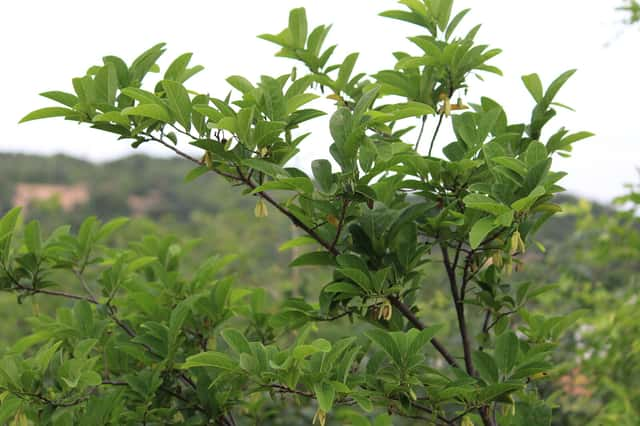
Annonaceae
Annona (Genus of Custard Apples)
Annona
Warm-climate fruit trees: full sun, well-drained, slightly acid soil, regular water without waterlogging and light, frequent feeding. They do not tolerate frost.
Every 7 days
Bright indirect
-2° - °C
% - %
Categories
What is Annona?
Annona (Annona) is a medium-care plant from the Annonaceae family. Annona is a genus of about 170 tropical trees and shrubs, mostly from the Americas and Africa. It includes the sugar apple or sweetsop (A. squamosa), soursop (A. muricata), cherimoya (A. cherimola), custard apple (A. reticulata) and pond apple (A. glabra); atemoya is a sugar apple and cherimoya hybr...
Annona grows up to 10.0m, watering every 7 days. It is not suitable for indoor environments and safe for pets.
Unlike many popular species, Annona is safe to keep around pets.
How to Care for Annona?
TLDR: Annona needs Bright indirect, watering every 7 days, and temperatures between -2-30°C with 40-70% humidity.
How Often Should You Water Annona?
Water about once a week, keeping the soil moist but never soggy. They cope with short droughts, but long dry spells cut fruit yield.
How Much Light Does Annona Need?
Full sun in a warm spot sheltered from cold wind.
What Is the Best Soil for Annona?
Well-drained soil, ideally deep and rich, pH 5.5 to 6.5. Sandy and limestone soils are fine if they drain well.
What Pot Should You Use for Annona?
A large, deep container (60 L or more) for young trees; mature trees do better in the ground because of the taproot.
Care Schedule
Fertilize
Every 60 days
What Is Annona and Where Does It Come From?
Annona is a genus of about 170 tropical trees and shrubs, mostly from the Americas and Africa. It includes the sugar apple or sweetsop (A. squamosa), soursop (A. muricata), cherimoya (A. cherimola), custard apple (A. reticulata) and pond apple (A. glabra); atemoya is a sugar apple and cherimoya hybrid. Most are 4 to 10 m trees, evergreen or briefly leafless in cool weather. The fleshy, fragrant flowers are pollinated by beetles, and each one becomes a compound fruit of many segments with sweet, creamy white flesh and hard black seeds.
How to Propagate Annona?
Seed
Seedlings take 3-4 years to fruit and may differ from the parent.
- 1 Remove seeds from a ripe fruit and wash them
- 2 Soak in water for 1-2 days
- 3 Sow 2 cm deep in a deep pot of moist mix
- 4 Keep warm until they sprout
- 5 Plant out at 30-40 cm without damaging the taproot
Materials needed:
Grafting
Grafting keeps fruit quality and brings the first crop sooner.
- 1 Use an annona seedling about 1 cm thick as rootstock
- 2 Take a budwood shoot from a good fruiting tree
- 3 Cleft-graft or bud it onto the rootstock
- 4 Wrap with grafting tape and shade until it shoots
Materials needed:
How Big Does Annona Grow?
TLDR: Annona can reach up to 10.0m tall with Medium growth rate.
Max height
10.0m
Foliage
Semi-evergreen
Warning: Toxic Plant
This plant can be toxic if ingested. Keep out of reach of:
Plant Uses
Edible
Can be consumed
Medicinal
Medicinal properties
Ornamental
Great for decoration
Medicinal Uses
- Leaves and fruit of several species are used in folk medicine, without proven effect.
Culinary Uses
- Sugar apple, soursop and cherimoya flesh is eaten fresh or in juices, ice cream and desserts.
Is your plant showing symptoms?
Click on the symptom to discover possible causes:
What Diseases Commonly Affect Annona?
TLDR: Annona is susceptible to 5 known diseases. Monitor regularly for early detection.
Fruit Rot
Fruit rot is a fungal disease caused by various fungi such as Botrytis or Monilia. It manifests as rapidly spreading brown spots that soften tissues and often cover the fruit with a gray or white downy growth. It spreads through humidity and wind.
Anthracnose
Anthracnose is a fungal disease caused by fungi in the genus Colletotrichum that affects many plants, including vegetables, fruits, and trees. The disease thrives in cool, wet conditions, causing dark, sunken lesions on leaves, stems, flowers, and fruits.
Leaf Spot
Leaf spot is a common fungal disease caused by various pathogens including Alternaria, Ascochyta, Colletotrichum, Septoria, and Venturia. It primarily affects leaves, causing discolored spots that can lead to premature leaf drop if left untreated.
Scale Insects
Scale insects are small sap-sucking pests that appear as brown, shell-like bumps on plant stems and leaves. There are over 25 species, divided into armored (hard) and unarmored (soft) scales. They feed by piercing plant tissue and extracting sap, which weakens the plant and can lead to yellowing, stunted growth, and even death if left untreated. They also excrete honeydew, which attracts ants and promotes sooty mold growth.
Fun Facts
The name Annona comes from a Taíno word for the fruit.
People were growing annonas in Mexico around 1000 BC.
The flowers are pollinated by beetles, not bees.
Frequently asked questions
Are Annona seeds poisonous?
Why does my tree flower but not fruit?
How cold can it go?
How long until it fruits?
Compare with similar plants
| Attribute | Difficulty | Light | Watering | Pet Safe |
|---|---|---|---|---|
| Dark Fieldcap | Medium | Low light | 2d | ⚠️ |
| Azalea | Medium | Partial shade | 3d | ⚠️ |
| Muriel's Bamboo | Medium | Partial shade | 3d | ✓ |
| Bougainvillea | Medium | Direct sun | 7d | ⚠️ |




