Araucariaceae
Araucaria
Araucaria
In a pot, give it plenty of light near a bright window and turn the pot every week so it grows straight. Water when the soil surface is dry and empty the saucer. It likes humid air and does not tolerate cold below 10 °C. Lower branches yellowing and dropping usually mean too little light or too much water. Spider mites are the most serious pest.
Every 7 days
Bright indirect
10° - 29°C
50% - %
Categories
What is Araucaria?
Araucaria (Araucaria) is a medium-care plant from the Araucariaceae family. Araucaria is a genus of evergreen conifers in the family Araucariaceae, with about 20 species, all from the Southern Hemisphere. Most grow in New Caledonia; the rest are found on Norfolk Island, in eastern Australia, New Guinea, Chile, Argentina and southern Brazil. In the wild they are straight-tru...
Araucaria grows up to watering every 7 days, 10°C – 29°C. It is suitable for indoor environments and not safe for pets.
Without precautions, ingestion can cause irritation in pets. Keep out of reach of cats and dogs. Without adequate drainage, root rot can develop within 14 days.
How to Care for Araucaria?
TLDR: Araucaria needs Bright indirect, watering every 7 days, and temperatures between 10-29°C with 50-70% humidity.
How Often Should You Water Araucaria?
Water thoroughly when the top few centimeters of soil are dry, usually about once a week in summer and less in winter. Empty the saucer after each watering: cold, soggy roots rot.
How Much Light Does Araucaria Need?
It needs lots of light: place it near an east, west or south window. Give the pot a quarter turn each week or it will lean toward the window. In low light the lower branches yellow and fall.
What Is the Best Soil for Araucaria?
Well-draining potting mix with some coarse sand or perlite. Use a pot with drainage holes.
What Pot Should You Use for Araucaria?
A pot with drainage holes, only slightly larger than the root ball. It grows slowly, so repot every 3 to 4 years, in spring.
Care Schedule
Fertilize
Every 21 days
Rotate
Every 7 days
Repot
Every 1095 days
What Is Araucaria and Where Does It Come From?
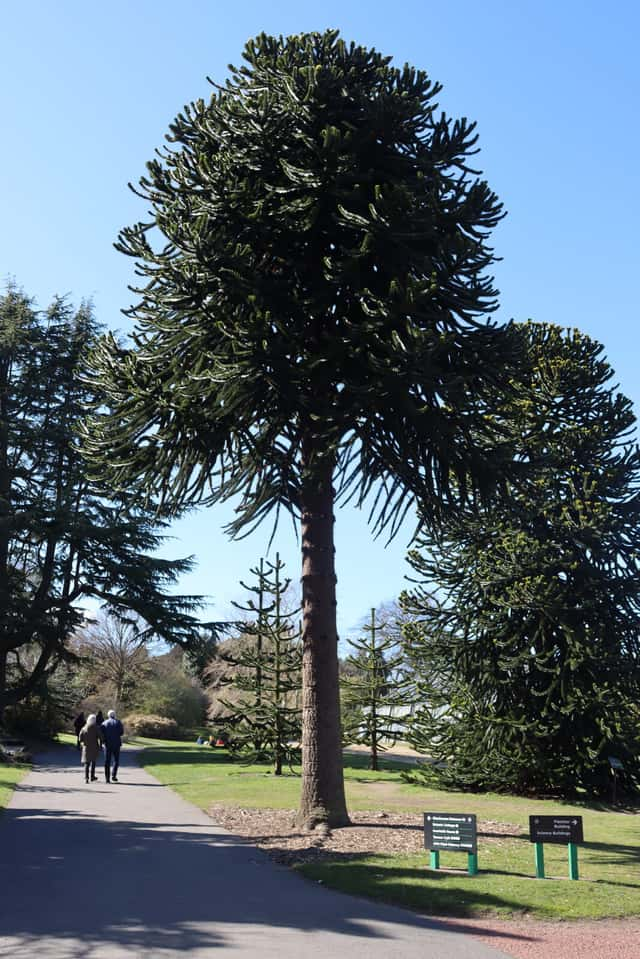
Araucaria is a genus of evergreen conifers in the family Araucariaceae, with about 20 species, all from the Southern Hemisphere. Most grow in New Caledonia; the rest are found on Norfolk Island, in eastern Australia, New Guinea, Chile, Argentina and southern Brazil. In the wild they are straight-trunked trees, 5 to 80 meters tall, with branches set in tiers around the trunk. Female cones can reach 7 to 25 cm and hold up to 200 large seeds; those of the monkey puzzle (Araucaria araucana), the Paraná pine (A. angustifolia) and the bunya pine (A. bidwillii) are eaten. As a potted plant, the species usually sold is the Norfolk Island pine (Araucaria heterophylla), which grows slowly and does well indoors for years.
How to Propagate Araucaria?
Seed
At home araucarias are really only grown from seed. Side-branch cuttings do root, but the plant grows lopsided and never forms the pine shape.
- 1 Use fresh seed, which loses viability quickly
- 2 Plant each seed in a small pot of light mix, with the tip showing or laid on its side
- 3 Keep the mix moist but not soggy, somewhere warm and bright
- 4 Pot on once the seedling has a few tiers of branches
Materials needed:
How Big Does Araucaria Grow?
TLDR: Araucaria can reach up to ?cm tall with Slow growth rate.
Growth rate
Slow
Foliage
Evergreen
Warning: Toxic Plant
This plant can be toxic if ingested. Keep out of reach of:
Plant Uses
Ornamental
Great for decoration
Edible
Can be consumed
Culinary Uses
- Seeds of Araucaria araucana, A. angustifolia and A. bidwillii, boiled or roasted
Is your plant showing symptoms?
Click on the symptom to discover possible causes:
What Diseases Commonly Affect Araucaria?
TLDR: Araucaria is susceptible to 6 known diseases. Monitor regularly for early detection.
Spider Mites
Spider mites are tiny arachnids (less than 1/20 inch long) related to spiders and ticks that feed on plant sap. They thrive in hot, dry conditions and can cause significant damage to ornamental and vegetable plants. During severe infestations, crop losses can reach 14% or higher as these pests disrupt vital plant processes including photosynthesis, carbon dioxide absorption, and transpiration.
Mealybugs
Mealybugs are small, soft-bodied insects covered with a white, waxy, cottony material. They are common pests of houseplants and outdoor plants in mild climates. These sap-sucking insects feed on plant tissue, causing damage, stunted growth, and can lead to plant death if left untreated. They produce sticky honeydew which attracts sooty mold.
Scale Insects
Scale insects are small sap-sucking pests that appear as brown, shell-like bumps on plant stems and leaves. There are over 25 species, divided into armored (hard) and unarmored (soft) scales. They feed by piercing plant tissue and extracting sap, which weakens the plant and can lead to yellowing, stunted growth, and even death if left untreated. They also excrete honeydew, which attracts ants and promotes sooty mold growth.
Lack of Light
Lack of light, also known as etiolation, is an environmental condition that occurs when a plant does not receive adequate light for normal photosynthesis and growth. Without sufficient light, the plant cannot produce enough chlorophyll, leading to pale coloration, weakened tissues, and abnormal elongation as the plant stretches toward any available light source. Etiolation affects virtually all plant species, from sun-loving tropicals to shade-tolerant houseplants. While the condition is not contagious, it progressively weakens the plant over time, making it more susceptible to pests, disease, and physical damage. Prompt correction of lighting conditions is essential to reverse the effects and restore healthy growth.
Meaning & Symbolism
For the Mapuche people the monkey puzzle tree (pewen) is sacred; the name Araucaria comes from "Araucanos", the Spanish name for the Mapuche.
Fun Facts
There are about 20 araucaria species, and 13 of them grow only in New Caledonia.
Fossils show araucarias also grew in the Northern Hemisphere in the age of the dinosaurs.
A monkey puzzle cone can hold up to 200 large seeds.
Frequently asked questions
Why are the lower branches of my araucaria dropping?
Can I cut the top of my araucaria?
The needles are turning orange with fine webbing. What is it?
Is araucaria toxic to pets?
Compare with similar plants
| Attribute | Difficulty | Light | Watering | Pet Safe |
|---|---|---|---|---|
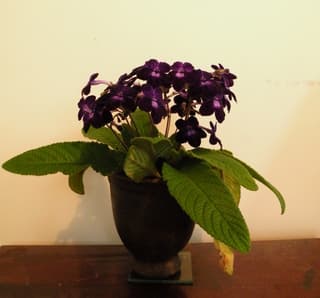
| Dark Fieldcap | Medium | Low light | 2d | ⚠️ |
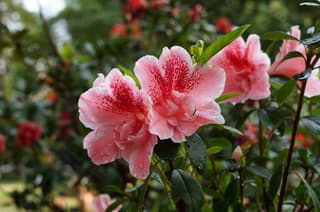
| Azalea | Medium | Partial shade | 3d | ⚠️ |
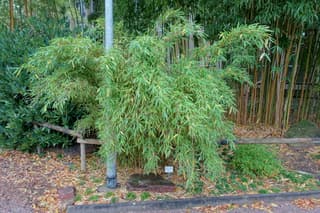
| Muriel's Bamboo | Medium | Partial shade | 3d | ✓ |
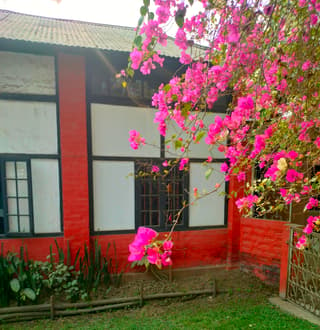
| Bougainvillea | Medium | Direct sun | 7d | ⚠️ |
Choose & Compare
Sources & References
- Wikipedia - Araucaria
- American Conifer Society - Araucaria
- Connecticut Agricultural Experiment Station - Plant Pest Handbook: Norfolk Island Pine (Araucaria)
- Iowa State University Extension - How do I care for a Norfolk Island Pine?
- UConn Home & Garden Education Center - Norfolk Island Pine
- NYBG Plant Information - Norfolk Island Pine