Asteraceae
Asian Yarrow: Aromatic Plant
Achillea asiatica
Asian yarrow thrives in full sun with well-drained, moderately fertile, slightly moist soil. Unlike its drier-growing relative A. millefolium, it appreciates a bit more consistent moisture and higher ambient humidity, though it also tolerates short dry spells and hard frost. Avoid heavy feeding, which weakens stems; deadhead spent flowers to prolong blooming and divide clumps every few years to keep the plant vigorous.
Every 10 days
Bright indirect
-45° - 35°C
40% - 70%
Categories
What is Asian Yarrow?
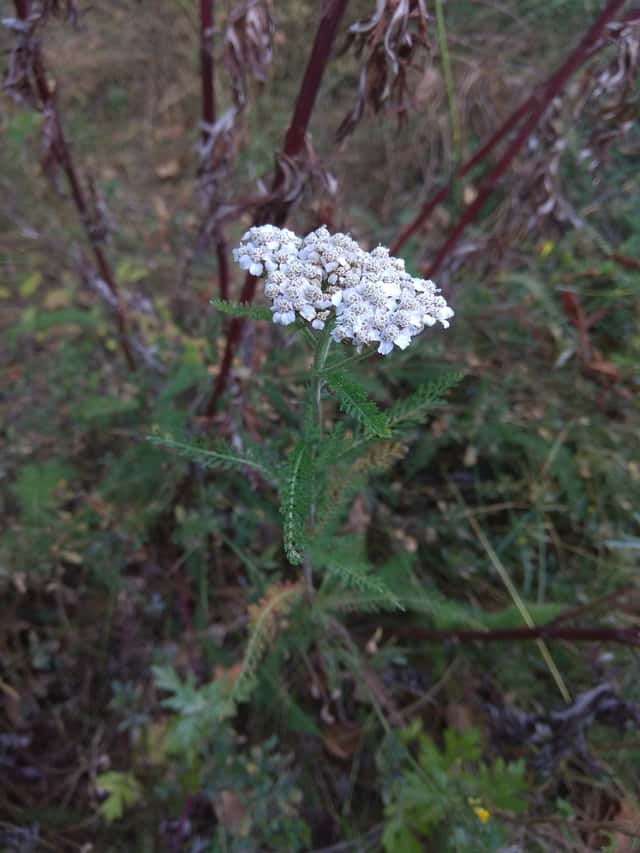
Asian Yarrow (Achillea asiatica) is a easy-care plant from the Asteraceae family. Asian yarrow (Achillea asiatica) is a cold-hardy, rhizomatous perennial native to the steppes and mountains of Siberia, Central Asia, Mongolia, and northern China. It forms low mats of finely dissected, fern-like grey-green foliage topped by flat-topped clusters of small flowers in shades of white,...
Asian Yarrow grows up to 60cm, spread of 45cm, watering every 10 days, -45°C – 35°C, 40–70% humidity. It is not suitable for indoor environments and not safe for pets.
Unlike many tropical plants, Asian Yarrow tolerates watering mistakes. Best for beginners. Without precautions, ingestion can cause irritation in pets. Keep out of reach of cats and dogs.
How to Care for Asian Yarrow?
TLDR: Asian Yarrow needs Bright indirect, watering every 10 days, and temperatures between -45-35°C with 40-70% humidity.
How Often Should You Water Asian Yarrow?
Water regularly enough to keep the soil lightly moist, especially during the first growing season - roughly every 8-10 days depending on climate. Established plants tolerate brief drought but perform best without prolonged dryness. Avoid waterlogging, which encourages root rot.
How Much Light Does Asian Yarrow Need?
Give Asian yarrow full sun for at least 6 hours a day for the best flowering and a compact habit; it will tolerate light partial shade, but expect fewer flowers and looser growth in lower light.
What Is the Best Soil for Asian Yarrow?
Plant in permeable, loamy soil enriched with organic matter but still free-draining. A near-neutral to slightly alkaline pH (around 6.0-7.5) suits it well. Improve heavy clay with grit or compost to prevent waterlogged roots.
What Pot Should You Use for Asian Yarrow?
Best grown in open ground where its spreading rhizomes have room, but can be grown in a wide, shallow container at least 30 cm (12 in) across with generous drainage holes. Use a loamy, free-draining potting mix and expect to water more often than in-ground plantings.
What Is Asian Yarrow and Where Does It Come From?
Asian yarrow (Achillea asiatica) is a cold-hardy, rhizomatous perennial native to the steppes and mountains of Siberia, Central Asia, Mongolia, and northern China. It forms low mats of finely dissected, fern-like grey-green foliage topped by flat-topped clusters of small flowers in shades of white, soft pink, and lilac. Closely related to common yarrow (Achillea millefolium), it has long been gathered in Mongolian and Chinese folk medicine for its leaves, flowers, and roots, and is valued in gardens for its drought tolerance and long summer bloom.
How to Propagate Asian Yarrow?
Seed sowing
Do not bury the seeds; a light misting keeps the surface moist without dislodging them.
- 1 Sow seeds indoors 6-8 weeks before the last frost or direct-sow outdoors in late spring
- 2 Press seeds onto the soil surface without covering, as they need light to germinate
- 3 Keep the substrate evenly moist until germination, which takes 10-20 days
- 4 Transplant or thin seedlings once they have 2-3 true leaves, spacing plants about 30-40 cm apart
Materials needed:
Clump division
Dividing regularly keeps plants vigorous and prevents the center of the clump from dying out.
- 1 Every 3-4 years, lift the clump in spring or early autumn once it becomes crowded
- 2 Divide the root mass into sections, each with healthy roots and several shoots
- 3 Replant divisions immediately at the same depth and water thoroughly
Materials needed:
Stem cutting
Keep humidity moderate; excess moisture on cuttings encourages rot.
- 1 Take 8-10 cm non-flowering tip cuttings in late spring
- 2 Remove the lower leaves and dip the cut end in rooting hormone
- 3 Insert into a free-draining propagation mix and keep lightly moist in bright, indirect light
- 4 Transplant once roots are established, usually after 3-4 weeks
Materials needed:
How Big Does Asian Yarrow Grow?
TLDR: Asian Yarrow can reach up to 60cm tall with Fast growth rate.
Max height
60cm
Spread
45cm
Growth rate
Fast
Foliage
Deciduous
Warning: Toxic Plant
This plant can be toxic if ingested. Keep out of reach of:
Plant Uses
Ornamental
Great for decoration
Medicinal
Medicinal properties
Aromatic
Pleasant fragrance
Medicinal Uses
- Traditional Chinese and Mongolian medicine use the dried leaves and flowers in infusions for digestive complaints and to reduce fever
- Fresh leaves have traditionally been applied topically to minor cuts and wounds to help stop bleeding
- Root and herb preparations have been used in folk practice to relieve inflammation and menstrual discomfort
- Caution: not recommended during pregnancy and may trigger allergic skin reactions in people sensitive to the Asteraceae family
Culinary Uses
- Young leaves used sparingly, fresh or dried, as a bitter, aromatic seasoning in regional Central Asian and Chinese herbal cooking
- Dried flowers and leaves steeped as an herbal tea, often blended with other steppe herbs
- Used historically as a wild-foraged pot herb in times of scarcity, similar to other Achillea species
Is your plant showing symptoms?
Click on the symptom to discover possible causes:
What Diseases Commonly Affect Asian Yarrow?
TLDR: Asian Yarrow is susceptible to 3 known diseases. Monitor regularly for early detection.
Powdery Mildew
Powdery mildew is a common fungal disease caused by various fungi species including Erysiphe, Podosphaera, Oïdium, and Leveillula. It affects over 10,000 plant species worldwide. The disease thrives in warm, dry climates with high humidity and appears as a distinctive white powdery coating on plant surfaces.
Aphids
Aphids are small, soft-bodied, pear-shaped insects (1/16 to 1/8 inch long) that feed by sucking nutrient-rich sap from plants. They reproduce rapidly and can quickly weaken plants, causing distorted growth and transmitting plant viruses. Aphids come in various colors including green, black, red, yellow, brown, and gray. They secrete honeydew, a sticky substance that attracts ants and encourages sooty mold growth.
Root Rot
Root rot is a serious fungal disease that affects the root system of plants, causing them to decay and die. It is primarily caused by overwatering, poor drainage, or soil-borne fungi such as Pythium, Phytophthora, Rhizoctonia, and Fusarium. The disease thrives in waterlogged conditions where roots are deprived of oxygen, making them susceptible to fungal infection.
Meaning & Symbolism
Across the steppes of Mongolia, Siberia, and northern China, Asian yarrow has long been carried as a healer's herb - a plant of resilience able to bloom through short summers and brutal winters. It shares with its relative common yarrow associations of protection and wound-healing, symbolizing quiet endurance and restorative strength.
Compare with similar plants
| Attribute | Difficulty | Light | Watering | Pet Safe |
|---|---|---|---|---|
| Field Maple | Easy | Bright indirect | 14d | ✓ |
| Silver Birch | Easy | Direct sun | 14d | ✓ |
| Common Blanketflower | Easy | Direct sun | 10d | ✓ |
| Cushion Bush | Easy | Direct sun | 14d | ✓ |





