Ericaceae
Azalea: Complete Care Guide
Azalea
Prefers strong indirect light, with some morning sun tolerated. Water frequently to keep the soil consistently moist (never waterlogged), preferably with lime-free water. Use acidic, well-drained substrate, and fertilize every two months during spring and summer with fertilizer for acid-loving plants.
Every 4 days
Bright indirect
10° - 24°C
40% - 60%
Categories
What is Azalea?
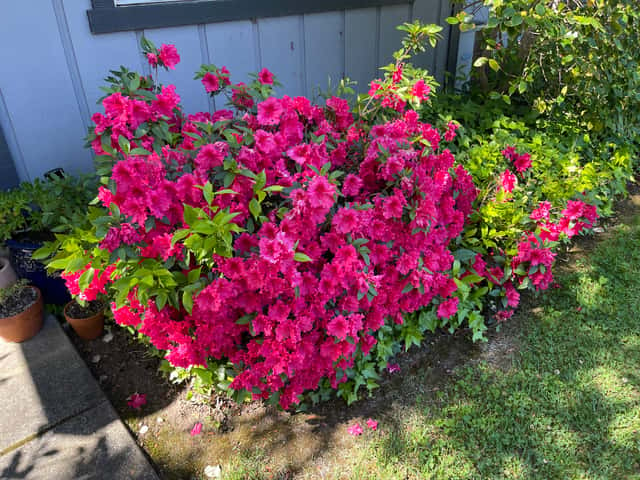
Azalea (Azalea) is a medium-care plant from the Ericaceae family. The azalea is an ornamental shrub of the genus Rhododendron (section Azalea), belonging to the Ericaceae family, known for its abundant and colorful flowers that appear mainly in spring. Its leaves are small, elliptical, and slightly velvety in texture, forming a compact and dense bush. It is widely...
Azalea grows up to 1.8m, spread of 150cm, watering every 4 days, 10°C – 24°C, 40–60% humidity. It is suitable for indoor environments and not safe for pets.
Without precautions, ingestion can cause irritation in pets. Keep out of reach of cats and dogs. Without adequate drainage, root rot can develop within 8 days.
How to Care for Azalea?
TLDR: Azalea needs Bright indirect, watering every 4 days, and temperatures between 10-24°C with 40-60% humidity.
How Often Should You Water Azalea?
Keep the soil constantly moist, but never waterlogged. Water when the top layer of the substrate begins to dry, avoiding letting the plant wilt between waterings.
How Much Light Does Azalea Need?
Requires strong to medium indirect light; tolerates one hour of direct morning sun, but must be protected from strong midday sun, which burns the leaves and dries out the flowers.
What Is the Best Soil for Azalea?
Use acidic substrate (pH 4.5 to 6.0), rich in organic matter and well-drained, such as peat-based mixtures for acid-loving plants.
What Pot Should You Use for Azalea?
Ceramic or plastic pot with good drainage, slightly larger than the root ball, with drainage holes and a saucer to prevent water accumulation in the substrate.
Care Schedule
Fertilize
Every 60 days
Rotate
Every 14 days
Repot
Every 730 days
What Is Azalea and Where Does It Come From?
The azalea is an ornamental shrub of the genus Rhododendron (section Azalea), belonging to the Ericaceae family, known for its abundant and colorful flowers that appear mainly in spring. Its leaves are small, elliptical, and slightly velvety in texture, forming a compact and dense bush. It is widely cultivated both in pots and in gardens, being very popular on Mother's Day for symbolizing care and affection.
How to Propagate Azalea?
Stem cutting
Cover with a plastic bag to maintain humidity and accelerate rooting with gentle bottom heat.
- 1 Cut a semi-woody branch 8-10 cm long without flowers
- 2 Remove leaves from the lower half
- 3 Apply rooting hormone to the base
- 4 Plant in moist acidic substrate (peat and sand)
- 5 Keep in a humid environment with indirect light until rooted
Materials needed:
How Big Does Azalea Grow?
TLDR: Azalea can reach up to 1.8m tall with Slow growth rate.
Max height
1.8m
Spread
1.5m
Growth rate
Slow
Foliage
Evergreen
Warning: Toxic Plant
This plant can be toxic if ingested. Keep out of reach of:
Plant Uses
Ornamental
Great for decoration
Is your plant showing symptoms?
Click on the symptom to discover possible causes:
What Diseases Commonly Affect Azalea?
TLDR: Azalea is susceptible to 8 known diseases. Monitor regularly for early detection.
Phytophthora Root Rot
Disease caused by fungus-like organisms (oomycetes) that live in soil and can survive for years. It affects roots, stem, and crown of plants, being especially severe in waterlogged or poorly drained soils. It is the second most common cause of root rot in trees and shrubs.
Root Rot
Root rot is a serious fungal disease that affects the root system of plants, causing them to decay and die. It is primarily caused by overwatering, poor drainage, or soil-borne fungi such as Pythium, Phytophthora, Rhizoctonia, and Fusarium. The disease thrives in waterlogged conditions where roots are deprived of oxygen, making them susceptible to fungal infection.
Powdery Mildew
Powdery mildew is a common fungal disease caused by various fungi species including Erysiphe, Podosphaera, Oïdium, and Leveillula. It affects over 10,000 plant species worldwide. The disease thrives in warm, dry climates with high humidity and appears as a distinctive white powdery coating on plant surfaces.
Leaf Spot
Leaf spot is a common fungal disease caused by various pathogens including Alternaria, Ascochyta, Colletotrichum, Septoria, and Venturia. It primarily affects leaves, causing discolored spots that can lead to premature leaf drop if left untreated.
Meaning & Symbolism
The azalea symbolizes care, delicacy, femininity, and emotional renewal; it is traditionally associated with maternal love and constant attention, being a common gift on Mother's Day.
Compare with similar plants
| Attribute | Difficulty | Light | Watering | Pet Safe |
|---|---|---|---|---|
| Dark Fieldcap | Medium | Low light | 2d | ⚠️ |
| Azalea | Medium | Partial shade | 3d | ⚠️ |
| Muriel's Bamboo | Medium | Partial shade | 3d | ✓ |
| Bougainvillea | Medium | Direct sun | 7d | ⚠️ |
Choose & Compare
Sources & References
- Azalea Plant - How to Grow Care Guide
- Complete Guide To Azalea Care and Growth
- An ULTIMATE Guide to Indoor Azalea
- Azalea & Rhododendron Diseases in South Carolina
- Azalea and Rhododendron Insect Pests
- Azalea Bloom Times and Flowering Groups
- Azalea Bush Care
- Azaleia: caracteristicas, cuidados e como cultivar a especie
- Azaleias Planta: Como Cuidar e Cultivar em Casa




