Asteraceae
Barberton Daisy (Gerbera jamesonii): Complete Care Guide
Gerbera jamesonii
The Barberton Daisy needs bright indirect light, moderate watering without waterlogging, and well-draining soil. Fertilize monthly during the growing season and deadhead spent blooms regularly to encourage new flowers.
Every 5 days
Bright indirect
13° - 24°C
40% - 60%
Categories
What is Barberton Daisy?
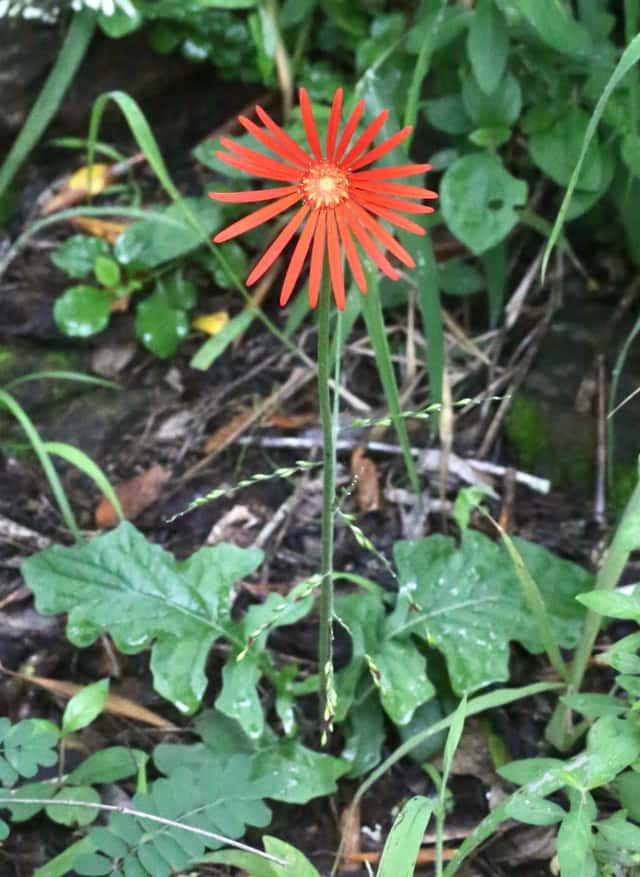
Barberton Daisy (Gerbera jamesonii) is a medium-care plant from the Asteraceae family. The Barberton Daisy (Gerbera jamesonii) is a vibrant flowering plant native to South Africa, belonging to the Asteraceae family. Celebrated for its long-lasting blooms in shades of white, yellow, pink, salmon, orange, and red, it is one of the world's most popular ornamental plants. Perfect for pots...
Barberton Daisy grows up to 60cm, spread of 45cm, watering every 5 days, 13°C – 24°C, 40–60% humidity. It is suitable for indoor environments and safe for pets.
Unlike many popular species, Barberton Daisy is safe to keep around pets. Without adequate drainage, root rot can develop within 10 days.
How to Care for Barberton Daisy?
TLDR: Barberton Daisy needs Bright indirect, watering every 5 days, and temperatures between 13-24°C with 40-60% humidity.
How Often Should You Water Barberton Daisy?
Water every 5 days or so, allowing the top layer of soil to dry slightly between waterings. Avoid wetting the leaves and flowers — water at the base to prevent fungal diseases.
How Much Light Does Barberton Daisy Need?
Place in a bright location such as east or west-facing windows. The plant needs at least 4-6 hours of bright indirect light per day. Avoid intense direct sun which can scorch the leaves.
What Is the Best Soil for Barberton Daisy?
Use well-draining soil rich in organic matter. Mix standard potting soil with perlite or coarse sand for good drainage. Ideal pH is between 5.5 and 6.5.
What Pot Should You Use for Barberton Daisy?
Terracotta or ceramic pots with good drainage holes are ideal for the Barberton Daisy. Avoid pots without drainage. A medium size (6-8 inches diameter) is sufficient for most plants.
Care Schedule
Fertilize
Every 30 days
Repot
Every 365 days
What Is Barberton Daisy and Where Does It Come From?
The Barberton Daisy (Gerbera jamesonii) is a vibrant flowering plant native to South Africa, belonging to the Asteraceae family. Celebrated for its long-lasting blooms in shades of white, yellow, pink, salmon, orange, and red, it is one of the world's most popular ornamental plants. Perfect for pots and gardens, it delights with its exuberant beauty throughout spring and summer.
How to Propagate Barberton Daisy?
Crown Division
Divide in spring when the plant is most vigorous. Use clean, sharp tools to avoid infection.
- 1 Carefully remove the mother plant from its pot
- 2 Divide the crown into sections, each with roots and leaves
- 3 Plant each division in moist, well-draining soil
- 4 Keep in indirect light until well-rooted
Materials needed:
Seed Sowing
Use fresh seeds for better germination rates. Seed-grown plants may differ in flower color from the parent.
- 1 Sow seeds on the surface of moist potting mix
- 2 Do not cover seeds — they need light to germinate
- 3 Maintain temperature between 20-24°C
- 4 Transplant seedlings when they have 2-3 true leaves
Materials needed:
How Big Does Barberton Daisy Grow?
TLDR: Barberton Daisy can reach up to 60cm tall with Medium growth rate.
Max height
60cm
Spread
45cm
Growth rate
Medium
Foliage
Evergreen
Plant Uses
Ornamental
Great for decoration
Is your plant showing symptoms?
Click on the symptom to discover possible causes:
What Diseases Commonly Affect Barberton Daisy?
TLDR: Barberton Daisy is susceptible to 9 known diseases. Monitor regularly for early detection.
Root Rot
Root rot is a serious fungal disease that affects the root system of plants, causing them to decay and die. It is primarily caused by overwatering, poor drainage, or soil-borne fungi such as Pythium, Phytophthora, Rhizoctonia, and Fusarium. The disease thrives in waterlogged conditions where roots are deprived of oxygen, making them susceptible to fungal infection.
Gray Mold (Botrytis Blight)
Gray mold, caused by the fungus Botrytis cinerea, is a widespread necrotrophic pathogen affecting over 1,400 plant species. It thrives in cool, humid conditions and attacks weakened or aging plant tissues, causing soft rot and characteristic gray fuzzy growth.
Powdery Mildew
Powdery mildew is a common fungal disease caused by various fungi species including Erysiphe, Podosphaera, Oïdium, and Leveillula. It affects over 10,000 plant species worldwide. The disease thrives in warm, dry climates with high humidity and appears as a distinctive white powdery coating on plant surfaces.
Anthracnose
Anthracnose is a fungal disease caused by fungi in the genus Colletotrichum that affects many plants, including vegetables, fruits, and trees. The disease thrives in cool, wet conditions, causing dark, sunken lesions on leaves, stems, flowers, and fruits.
Meaning & Symbolism
The Gerbera daisy symbolizes cheerfulness, purity, and loyalty. It is associated with innocence and happiness, widely used in bouquets and decorations to convey positive feelings and admiration.
Fun Facts
The Barberton Daisy is native to Mpumalanga, South Africa, where it grows naturally on rocky hillsides
It is one of the top 10 best-selling cut flowers in the world
NASA included it in studies as an air-purifying plant, absorbing benzene and trichloroethylene
Its blooms can last up to 2 weeks in a vase with water
Frequently asked questions
How often should I water the Barberton Daisy?
Is the Gerbera Daisy toxic to pets?
Why is my Gerbera Daisy not blooming?
Can I grow Barberton Daisy indoors?
Compare with similar plants
| Attribute | Difficulty | Light | Watering | Pet Safe |
|---|---|---|---|---|
| Dark Fieldcap | Medium | Low light | 2d | ⚠️ |
| Azalea | Medium | Partial shade | 3d | ⚠️ |
| Muriel's Bamboo | Medium | Partial shade | 3d | ✓ |
| Bougainvillea | Medium | Direct sun | 7d | ⚠️ |




