Poaceae
Barleys (Hordeum)
Hordeum
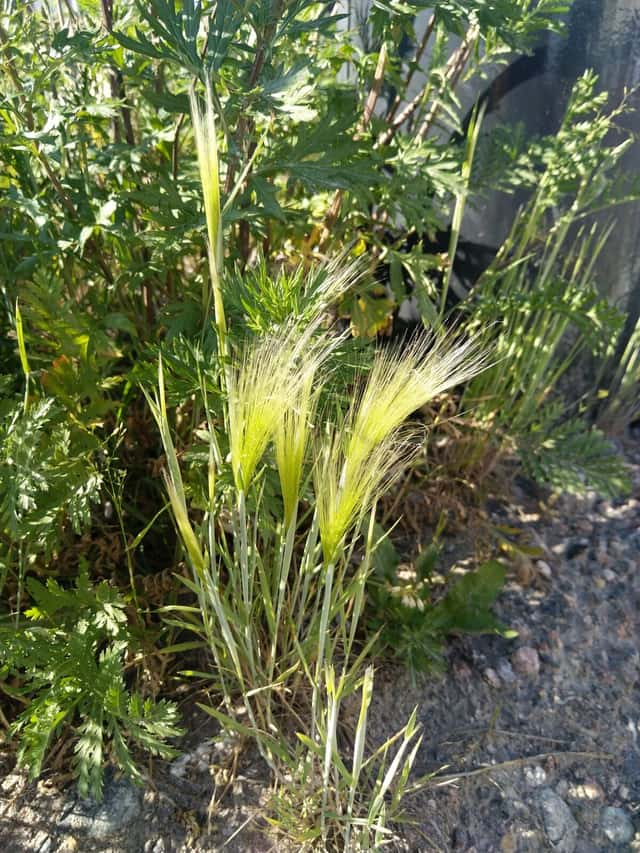
A full-sun grass for temperate climates, easy to grow from seed. It likes fertile, well-drained soil and accepts sand, clay, chalk and even slightly saline ground. It won't tolerate shade. The awns on dry heads can injure dogs and cats.
Every 7 days
Direct sun
° - °C
% - %
Categories
What is Barleys?
Barleys (Hordeum) is a easy-care plant from the Poaceae family. Hordeum is the barley genus, with 30 to 40 species of annual and perennial grasses from the temperate regions of Africa, Eurasia and the Americas. The best known is cultivated barley (Hordeum vulgare), one of the oldest cereals, grown for food, animal feed and malt for beer and whisky. The genus als...
Barleys grows up to 1.6m, watering every 7 days. It is not suitable for indoor environments and not safe for pets.
Unlike many tropical plants, Barleys tolerates watering mistakes. Best for beginners. Without precautions, ingestion can cause irritation in pets. Keep out of reach of cats and dogs.
How to Care for Barleys?
TLDR: Barleys needs Direct sun, watering every 7 days, and temperatures between 15-30°C with 40-70% humidity.
How Often Should You Water Barleys?
Water once a week in dry weather, more while plants grow and form heads. Let the soil dry as the heads ripen.
How Much Light Does Barleys Need?
Full sun, at least 6 hours a day. In shade the grass is weak and barely sets heads.
What Is the Best Soil for Barleys?
Fertile, well-drained, medium-textured soil. It tolerates mildly acid to alkaline and even saline soil.
What Pot Should You Use for Barleys?
It grows in a deep pot or trough with a drainage hole and fertile garden soil, in full sun. Good for ornamental barley or for harvesting sprouts.
What Is Barleys and Where Does It Come From?
Hordeum is the barley genus, with 30 to 40 species of annual and perennial grasses from the temperate regions of Africa, Eurasia and the Americas. The best known is cultivated barley (Hordeum vulgare), one of the oldest cereals, grown for food, animal feed and malt for beer and whisky. The genus also includes foxtail barley (Hordeum jubatum), planted as an ornamental grass for its silky heads, and wall barley (Hordeum murinum), a common weed of waste ground. Plants reach up to 1.6 m and carry spikes with long awns, the bristles that give the genus its name.
How to Propagate Barleys?
Seed
Seed sprouts quickly in cool, moist weather. For eating, use certified seed and never chemically treated seed.
- 1 Prepare a loose, weed-free bed in full sun
- 2 Broadcast or sow in rows and cover with 2-3 cm of soil
- 3 Keep the soil moist until germination
- 4 Sow winter barleys in fall and spring barleys in early spring
Materials needed:
How Big Does Barleys Grow?
TLDR: Barleys can reach up to 1.6m tall with Fast growth rate.
Max height
1.6m
Growth rate
Fast
Warning: Toxic Plant
This plant can be toxic if ingested. Keep out of reach of:
Plant Uses
Edible
Can be consumed
Ornamental
Great for decoration
Medicinal
Medicinal properties
Medicinal Uses
- Barley water is a traditional soothing drink for the stomach
Culinary Uses
- Grain cooked in soups and stews
- Malt for beer and whisky
- Roasted grain as a coffee substitute
Is your plant showing symptoms?
Click on the symptom to discover possible causes:
What Diseases Commonly Affect Barleys?
TLDR: Barleys is susceptible to 7 known diseases. Monitor regularly for early detection.
Powdery Mildew
Powdery mildew is a common fungal disease caused by various fungi species including Erysiphe, Podosphaera, Oïdium, and Leveillula. It affects over 10,000 plant species worldwide. The disease thrives in warm, dry climates with high humidity and appears as a distinctive white powdery coating on plant surfaces.
Rust
Rust is a common fungal disease caused by fungi in the order Pucciniales that affects a wide variety of plants. The disease gets its name from the characteristic orange, yellow, or reddish-brown pustules that appear on leaves, resembling metal rust. This obligate fungal parasite requires living plants to survive and can cause significant economic losses in agricultural crops.
Fusarium Wilt
Fusarium is a soil-borne fungus that primarily attacks the roots and vascular tissues of plants. It enters through small wounds or stressed roots, is favored by warm temperatures and waterlogging, and then obstructs the flow of sap. Symptoms include yellowing, often on only one side of the plant, wilting even with moist soil, stunted growth, and, when cutting the stem, internal brown streaks. It frequently affects tomatoes, peppers, eggplants, basil, cucumbers, and zucchini, as well as ornamentals like carnations and cyclamen. In potted plants, it can manifest as root rot with a darkened crown.
Aphids
Aphids are small, soft-bodied, pear-shaped insects (1/16 to 1/8 inch long) that feed by sucking nutrient-rich sap from plants. They reproduce rapidly and can quickly weaken plants, causing distorted growth and transmitting plant viruses. Aphids come in various colors including green, black, red, yellow, brown, and gray. They secrete honeydew, a sticky substance that attracts ants and encourages sooty mold growth.
Fun Facts
Barley was one of the first cereals domesticated by humans.
The name Hordeum comes from a Latin root meaning "to bristle", after the awns.
The caterpillars of several moths feed on Hordeum leaves.
Frequently asked questions
Are barley heads dangerous to dogs and cats?
How do I grow barley at home?
What diseases affect barley?
Is foxtail barley the same as brewing barley?
Compare with similar plants
| Attribute | Difficulty | Light | Watering | Pet Safe |
|---|---|---|---|---|
| Field Maple | Easy | Bright indirect | 14d | ✓ |
| Muriel's Bamboo | Medium | Partial shade | 3d | ✓ |
| Iberian Houseleek | Easy | Direct sun | 14d | ✓ |
| Silver Birch | Easy | Direct sun | 14d | ✓ |





