Lamiaceae
Scarlet Bee Balm: Aromatic Plant
Monarda didyma
Scarlet bee balm is a low-maintenance perennial that grows best in full sun (at least 6 hours of direct light) in moderately fertile, humus-rich, and consistently moist soil. It is very cold-hardy (down to -30 °C). The primary issue is powdery mildew, so plant it in a location with good air circulation and avoid overhead watering. Divide clumps every 3–4 years in spring to maintain vigor and reduce disease.
Every 7 days
Direct sun
-30° - 35°C
40% - 70%
Categories
What is Scarlet Bee Balm?
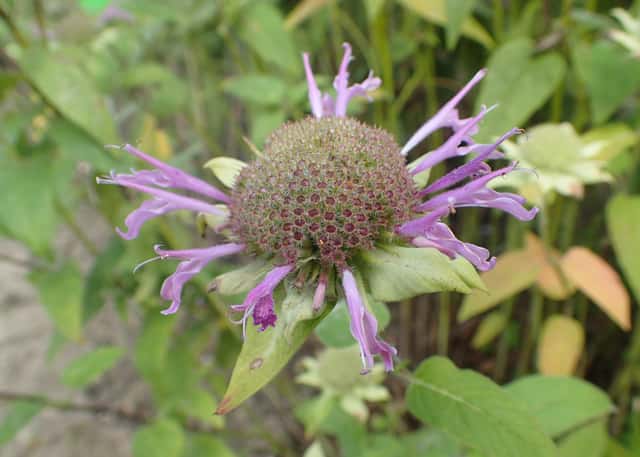
Scarlet Bee Balm (Monarda didyma) is a easy-care plant from the Lamiaceae family. Monarda didyma (scarlet bee balm) is a perennial plant in the mint family native to the moist woods and riverbanks of North America. It features dense, globular flower heads with bright red (also pink, purple, or white in cultivars) tubular flowers that bloom from mid-summer to early fall, attractin...
Scarlet Bee Balm grows up to 1.2m, spread of 90cm, watering every 7 days, -30°C – 35°C, 40–70% humidity. It is not suitable for indoor environments and safe for pets.
Unlike many tropical plants, Scarlet Bee Balm tolerates watering mistakes. Best for beginners. Unlike many popular species, Scarlet Bee Balm is safe to keep around pets.
How to Care for Scarlet Bee Balm?
TLDR: Scarlet Bee Balm needs Direct sun, watering every 7 days, and temperatures between -30-35°C with 40-70% humidity.
How Often Should You Water Scarlet Bee Balm?
Keep the soil consistently moist but well-drained—the plant does not tolerate prolonged drought, which significantly increases the risk of powdery mildew. Water at the base of the plant rather than on the leaves, and cover the soil with 2–3 inches (5–8 cm) of organic mulch to retain moisture.
How Much Light Does Scarlet Bee Balm Need?
Plant in full sun, at least 6 hours of direct sun per day, to ensure prolific blooming and compact growth. In hot climates, light afternoon shade helps keep the foliage fresh.
What Is the Best Soil for Scarlet Bee Balm?
The most suitable soil is moderately fertile, humus-rich, moist but well-drained with a pH of 5.5–7.0. Improve poor soil by adding compost and avoid overly rich soil, which promotes foliage growth at the expense of flowers.
What Pot Should You Use for Scarlet Bee Balm?
When growing in containers, choose a large (40+ cm diameter) clay or ceramic pot with good drainage, as the plant requires consistent moisture and room for its roots to spread.
Care Schedule
Fertilize
Every 365 days
What Is Scarlet Bee Balm and Where Does It Come From?
Monarda didyma (scarlet bee balm) is a perennial plant in the mint family native to the moist woods and riverbanks of North America. It features dense, globular flower heads with bright red (also pink, purple, or white in cultivars) tubular flowers that bloom from mid-summer to early fall, attracting hummingbirds, butterflies, and bees. The aromatic leaves on square stems release a spicy scent when crushed. The plant spreads via rhizomes and forms expanding clumps.
How Big Does Scarlet Bee Balm Grow?
TLDR: Scarlet Bee Balm can reach up to 1.2m tall with Medium growth rate.
Max height
1.2m
Spread
90cm
Growth rate
Medium
Foliage
Deciduous
Plant Uses
Ornamental
Great for decoration
Medicinal
Medicinal properties
Edible
Can be consumed
Aromatic
Pleasant fragrance
Medicinal Uses
- Antiseptic and antimicrobial (high thymol content) — for treating wounds and skin infections
- Respiratory relief — steam inhalation or hot tea for colds and coughs
- Digestive support — tea for flatulence and nausea
- Fever-reducing tea
- Mouthwash for sore throats and mouth ulcers
Culinary Uses
- Aromatic herbal tea (Oswego tea) brewed from fresh or dried leaves and flowers
- Leaves as a seasoning in salads and drinks
- Edible petals for garnishing salads and desserts
- Used to flavor jellies and syrups
Is your plant showing symptoms?
Click on the symptom to discover possible causes:
What Diseases Commonly Affect Scarlet Bee Balm?
TLDR: Scarlet Bee Balm is susceptible to 8 known diseases. Monitor regularly for early detection.
Powdery Mildew
Powdery mildew is a common fungal disease caused by various fungi species including Erysiphe, Podosphaera, Oïdium, and Leveillula. It affects over 10,000 plant species worldwide. The disease thrives in warm, dry climates with high humidity and appears as a distinctive white powdery coating on plant surfaces.
Rust
Rust is a common fungal disease caused by fungi in the order Pucciniales that affects a wide variety of plants. The disease gets its name from the characteristic orange, yellow, or reddish-brown pustules that appear on leaves, resembling metal rust. This obligate fungal parasite requires living plants to survive and can cause significant economic losses in agricultural crops.
Leaf Spot
Leaf spot is a common fungal disease caused by various pathogens including Alternaria, Ascochyta, Colletotrichum, Septoria, and Venturia. It primarily affects leaves, causing discolored spots that can lead to premature leaf drop if left untreated.
Root Rot
Root rot is a serious fungal disease that affects the root system of plants, causing them to decay and die. It is primarily caused by overwatering, poor drainage, or soil-borne fungi such as Pythium, Phytophthora, Rhizoctonia, and Fusarium. The disease thrives in waterlogged conditions where roots are deprived of oxygen, making them susceptible to fungal infection.
Meaning & Symbolism
In the tradition of North American indigenous peoples, bee balm is a symbol of healing and resilience. It became a symbol of American independence when colonists brewed 'Oswego tea' from it following the Boston Tea Party.
Compare with similar plants
| Attribute | Difficulty | Light | Watering | Pet Safe |
|---|---|---|---|---|
| Field Maple | Easy | Bright indirect | 14d | ✓ |
| Silver Birch | Easy | Direct sun | 14d | ✓ |
| Common Blanketflower | Easy | Direct sun | 10d | ✓ |
| Cushion Bush | Easy | Direct sun | 14d | ✓ |





