Ericaceae
Bilberry - Vaccinium myrtillus
Vaccinium myrtillus
Needs consistently moist but well-drained, acidic soil and full sun to light shade. Cold-hardy and low-maintenance once established, but intolerant of alkaline or waterlogged soil.
Every 3 days
Bright indirect
-30° - 25°C
50% - 70%
Categories
What is Bilberry?
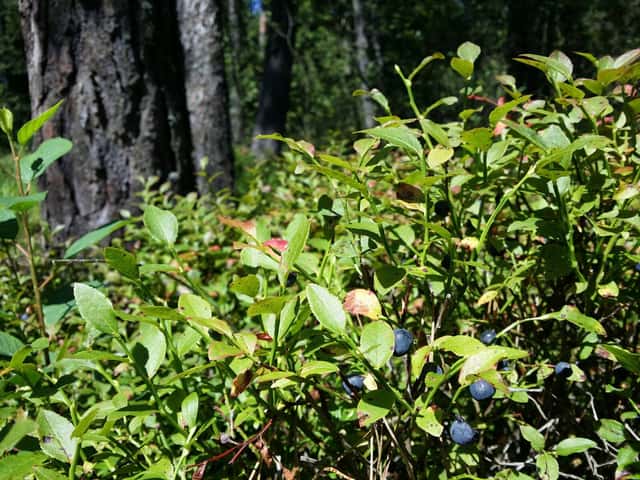
Bilberry (Vaccinium myrtillus) is a medium-care plant from the Ericaceae family. Bilberry (Vaccinium myrtillus) is a deciduous, low-growing shrub in the Ericaceae family, native to heathlands, moorlands and mountain forests across Europe and northern Asia. It spreads via underground rhizomes, forming dense mats 10-50 cm tall. Small greenish-pink flowers appear in spring, followe...
Bilberry grows up to 50cm, spread of 60cm, watering every 3 days, -30°C – 25°C, 50–70% humidity. It is not suitable for indoor environments and safe for pets.
Unlike many popular species, Bilberry is safe to keep around pets.
How to Care for Bilberry?
TLDR: Bilberry needs Bright indirect, watering every 3 days, and temperatures between -30-25°C with 50-70% humidity.
How Often Should You Water Bilberry?
Keep soil evenly moist, never waterlogged. Use rainwater or soft water where possible, since hard tap water can raise soil pH over time.
How Much Light Does Bilberry Need?
Grows best in full sun for heavier fruiting, though it tolerates light, dappled shade, especially in warmer climates.
What Is the Best Soil for Bilberry?
Plant in acidic, humus-rich, peaty soil (pH 4.5-5.5), similar to what azaleas and rhododendrons need.
What Pot Should You Use for Bilberry?
A wide, shallow container with ample drainage holes, filled with ericaceous (lime-free) compost to preserve the acidity bilberry needs.
Care Schedule
Fertilize
Every 180 days
What Is Bilberry and Where Does It Come From?
Bilberry (Vaccinium myrtillus) is a deciduous, low-growing shrub in the Ericaceae family, native to heathlands, moorlands and mountain forests across Europe and northern Asia. It spreads via underground rhizomes, forming dense mats 10-50 cm tall. Small greenish-pink flowers appear in spring, followed by dusky blue-black berries prized in traditional European cuisine and herbal medicine.
How to Propagate Bilberry?
Softwood stem cutting
Use clean tools and always-acidic substrate; avoid waterlogging.
- 1 Take 8-10 cm semi-ripe cuttings in summer
- 2 Remove leaves from the lower half of the cutting
- 3 Dip the cut end in rooting hormone
- 4 Plant in moist, acidic substrate (peat and sand)
- 5 Keep humid and shaded until roots form
Materials needed:
How Big Does Bilberry Grow?
TLDR: Bilberry can reach up to 50cm tall with Slow growth rate.
Max height
50cm
Spread
60cm
Growth rate
Slow
Foliage
Deciduous
Plant Uses
Edible
Can be consumed
Medicinal
Medicinal properties
Ground Cover
Soil coverage
Medicinal Uses
- Traditionally used to support eye health and night vision
- Traditional remedy for diarrhea and digestive discomfort
- Traditionally used to support venous circulation and capillary strength
Culinary Uses
- Jams and preserves
- Pies and tarts
- Juices, syrups and liqueurs
- Eaten fresh as a fruit
Is your plant showing symptoms?
Click on the symptom to discover possible causes:
What Diseases Commonly Affect Bilberry?
TLDR: Bilberry is susceptible to 6 known diseases. Monitor regularly for early detection.
Gray Mold (Botrytis Blight)
Gray mold, caused by the fungus Botrytis cinerea, is one of the most common fungal diseases in plants. It affects over 200 plant species, including ornamentals, vegetables, fruits, and houseplants. The disease thrives in cool, humid conditions with poor air circulation, causing grayish spots and soft rot on infected tissues.
Phytophthora Root Rot
Disease caused by fungus-like organisms (oomycetes) that live in soil and can survive for years. It affects roots, stem, and crown of plants, being especially severe in waterlogged or poorly drained soils. It is the second most common cause of root rot in trees and shrubs.
Powdery Mildew
Powdery mildew is a common fungal disease caused by various fungi species including Erysiphe, Podosphaera, Oïdium, and Leveillula. It affects over 10,000 plant species worldwide. The disease thrives in warm, dry climates with high humidity and appears as a distinctive white powdery coating on plant surfaces.
Rust
Rust is a common fungal disease caused by fungi in the order Pucciniales that affects a wide variety of plants. The disease gets its name from the characteristic orange, yellow, or reddish-brown pustules that appear on leaves, resembling metal rust. This obligate fungal parasite requires living plants to survive and can cause significant economic losses in agricultural crops.
Fun Facts
Bilberry flesh and juice are purple all the way through, unlike cultivated blueberries which have pale flesh
Individual plants can live and fruit in the wild for over 30 years
It has been used in European folk medicine for nearly a thousand years
Frequently asked questions
Does bilberry need acidic soil?
Can bilberry grow in a pot?
What are the main problems affecting bilberry?
Is bilberry toxic to pets?
Compare with similar plants
| Attribute | Difficulty | Light | Watering | Pet Safe |
|---|---|---|---|---|
| Dark Fieldcap | Medium | Low light | 2d | ⚠️ |
| Azalea | Medium | Partial shade | 3d | ⚠️ |
| Muriel's Bamboo | Medium | Partial shade | 3d | ✓ |
| Bougainvillea | Medium | Direct sun | 7d | ⚠️ |
Choose & Compare
Sources & References
- Vaccinium myrtillus - Wikipedia
- Vaccinium myrtillus Bilberry, Whortleberry - PFAF Plant Database
- Vaccinium myrtillus (Bilberry) - Practical Plants
- Bilberry: planting, harvesting & using - Plantura
- Blueberry-Botrytis Blight - PNW Pest Management Handbooks
- Blueberry-Root Rot - PNW Pest Management Handbooks
- Blueberry-Mummy Berry - PNW Pest Management Handbooks
- Monilinia vaccinii-corymbosi Mummy Berry Disease - PMC
- Is the Bilberry Safe for Pets




