Rosaceae
Billard Spiraea: Fast Growing
Spiraea billardii
Billard Spiraea thrives in a sunny or partially shaded location in nutrient-rich, moist but well-draining soil. Water regularly during dry periods, but avoid standing water. Prune the shrub vigorously in early spring, as it blooms on current year's growth – this ensures abundant flowering. Fertilize once a year in spring.
Every 7 days
Bright indirect
-34° - 35°C
30% - 70%
Categories
What is Billard Spiraea?
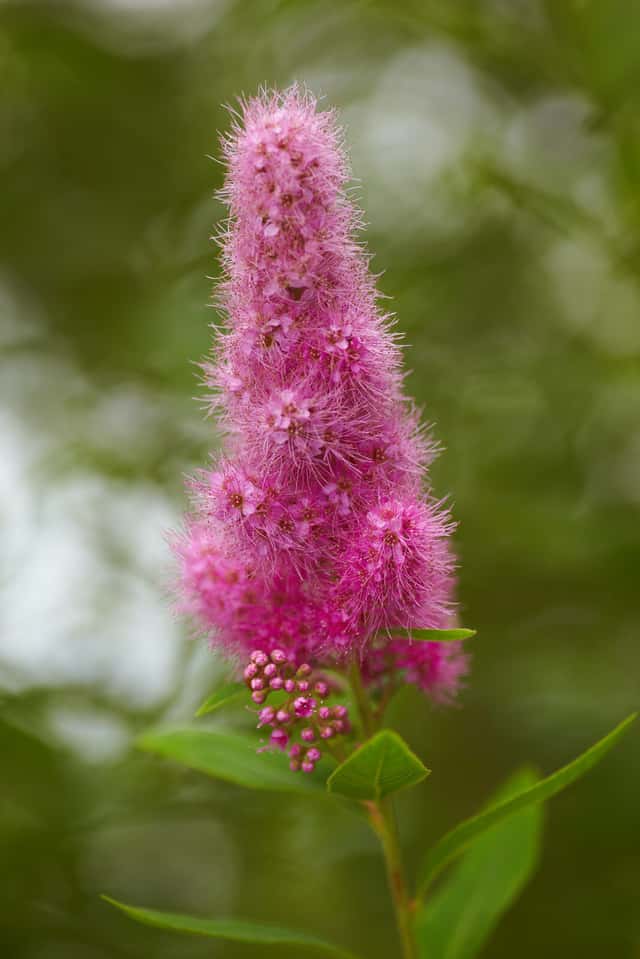
Billard Spiraea (Spiraea billardii) is a easy-care plant from the Rosaceae family. Billard Spiraea (Spiraea × billardii) is a hybrid species of spiraea shrubs, resulting from a cross between the wild species Spiraea douglasii and Spiraea salicifolia. It is an upright, densely branched deciduous shrub that can grow up to 2.5 meters tall and nearly as wide. In July-August, it blooms...
Billard Spiraea grows up to 2.5m, spread of 200cm, watering every 7 days, -34°C – 35°C, 30–70% humidity. It is not suitable for indoor environments and safe for pets.
Unlike many tropical plants, Billard Spiraea tolerates watering mistakes. Best for beginners. Unlike many popular species, Billard Spiraea is safe to keep around pets.
How to Care for Billard Spiraea?
TLDR: Billard Spiraea needs Bright indirect, watering every 7 days, and temperatures between -34-35°C with 30-70% humidity.
How Often Should You Water Billard Spiraea?
Keep the soil consistently moist, especially during long dry spells, but allow the surface to dry out between waterings – Billard Spiraea does not tolerate wet, standing water.
How Much Light Does Billard Spiraea Need?
The best flowering is achieved in full sun (at least 6 hours of direct light per day), but the plant also tolerates light partial shade.
What Is the Best Soil for Billard Spiraea?
Prefer nutrient-rich, moist but well-draining soil. The plant thrives best in slightly acidic soil but also adapts to neutral or slightly alkaline soil.
What Pot Should You Use for Billard Spiraea?
Billard Spiraea is primarily an open-ground shrub and is not recommended for long-term container cultivation; if growing in a container is necessary, for example during the seedling stage, choose a spacious and well-draining pot with sufficient drainage holes.
Care Schedule
Fertilize
Every 365 days
What Is Billard Spiraea and Where Does It Come From?
Billard Spiraea (Spiraea × billardii) is a hybrid species of spiraea shrubs, resulting from a cross between the wild species Spiraea douglasii and Spiraea salicifolia. It is an upright, densely branched deciduous shrub that can grow up to 2.5 meters tall and nearly as wide. In July-August, it blooms profusely with elongated clusters of pink flowers that attract butterflies and bees. The plant is extremely winter-hardy and perfectly suited for Nordic gardens.
How Big Does Billard Spiraea Grow?
TLDR: Billard Spiraea can reach up to 2.5m tall with Fast growth rate.
Max height
2.5m
Spread
2.0m
Growth rate
Fast
Foliage
Deciduous
Plant Uses
Ornamental
Great for decoration
Is your plant showing symptoms?
Click on the symptom to discover possible causes:
What Diseases Commonly Affect Billard Spiraea?
TLDR: Billard Spiraea is susceptible to 7 known diseases. Monitor regularly for early detection.
Powdery Mildew
Powdery mildew is a common fungal disease caused by various fungi species including Erysiphe, Podosphaera, Oïdium, and Leveillula. It affects over 10,000 plant species worldwide. The disease thrives in warm, dry climates with high humidity and appears as a distinctive white powdery coating on plant surfaces.
Fire Blight
Fire blight is a highly destructive and contagious bacterial disease caused by Erwinia amylovora. It primarily affects plants in the Rosaceae family, including apple, pear, quince trees, and various ornamental plants. The disease can destroy an entire orchard in a single growing season under ideal conditions, with the bacterium moving approximately 11 inches per week in new growth.
Aphids
Aphids are small, soft-bodied, pear-shaped insects (1/16 to 1/8 inch long) that feed by sucking nutrient-rich sap from plants. They reproduce rapidly and can quickly weaken plants, causing distorted growth and transmitting plant viruses. Aphids come in various colors including green, black, red, yellow, brown, and gray. They secrete honeydew, a sticky substance that attracts ants and encourages sooty mold growth.
Root Rot
Root rot is a serious fungal disease that affects the root system of plants, causing them to decay and die. It is primarily caused by overwatering, poor drainage, or soil-borne fungi such as Pythium, Phytophthora, Rhizoctonia, and Fusarium. The disease thrives in waterlogged conditions where roots are deprived of oxygen, making them susceptible to fungal infection.
Meaning & Symbolism
Spiraeas are traditionally associated with resilience, abundance, and joy due to their lush, long-lasting blooms – Billard Spiraea's pink flower clusters bring summer color to the garden throughout July and August.
Compare with similar plants
| Attribute | Difficulty | Light | Watering | Pet Safe |
|---|---|---|---|---|
| Field Maple | Easy | Bright indirect | 14d | ✓ |
| Silver Birch | Easy | Direct sun | 14d | ✓ |
| Common Blanketflower | Easy | Direct sun | 10d | ✓ |
| Cushion Bush | Easy | Direct sun | 14d | ✓ |
Choose & Compare
Sources & References
- Spiraea x billardii plants - Thompson & Morgan
- Spiraea x billardii - Plant Lust
- Spiraea x billardii Triumphans - RHS
- Spirea - CT.gov Plant Pest Handbook
- Spirea Diseases - Plant Addicts
- Are Spirea Poisonous - Plant Addicts
- Learn Three Ways to Propagate Spirea Bushes - Gardener's Path
- Rusopajuangervo Spiraea x billardii - Vihervimma





