Montiaceae
Bitterroot: Edible Plant
Lewisia rediviva
Requires excellent drainage, gravelly soil, and full sun. Do not water during the summer dormancy period, as the roots rot easily.
Every 14 days
Direct sun
-30° - 35°C
10% - 40%
Categories
What is Bitterroot?
Bitterroot (Lewisia rediviva) is a hard-care plant from the Montiaceae family. Lewisia rediviva, commonly known as Bitterroot, is a low-growing, succulent-rooted perennial native to western North America. It is famous for its spectacular flowers, ranging from pink to white, which bloom directly above the ground surface after the leaves have withered. This plant is adapted to e...
Bitterroot grows up to 5cm, spread of 15cm, watering every 14 days, -30°C – 35°C, 10–40% humidity. It is not suitable for indoor environments and safe for pets.
Unlike easy-care plants, Bitterroot demands constant attention to humidity and light. Not recommended for beginners. Unlike many popular species, Bitterroot is safe to keep around pets.
How to Care for Bitterroot?
TLDR: Bitterroot needs Direct sun, watering every 14 days, and temperatures between -30-35°C with 10-40% humidity.
How Often Should You Water Bitterroot?
Water moderately only in the spring. Keep completely dry in the summer when the plant goes dormant.
How Much Light Does Bitterroot Need?
Requires as much direct sunlight as possible; it will not bloom properly in the shade.
What Is the Best Soil for Bitterroot?
Use an extremely well-draining mix containing 50% gravel or perlite.
What Pot Should You Use for Bitterroot?
Deep, unglazed terracotta pots that help excess moisture evaporate.
Care Schedule
Fertilize
Every 365 days
Repot
Every 1095 days
What Is Bitterroot and Where Does It Come From?
Lewisia rediviva, commonly known as Bitterroot, is a low-growing, succulent-rooted perennial native to western North America. It is famous for its spectacular flowers, ranging from pink to white, which bloom directly above the ground surface after the leaves have withered. This plant is adapted to extreme drought and prefers rocky, gravelly soils.
How to Propagate Bitterroot?
Sowing seeds
- Fresh seeds have a much higher germination rate.
- Avoid overwatering after germination.
- 1 Preparation
Sow the seeds on the surface of a sandy, gravelly soil mix in the fall.
- 2 Cold treatment
Seeds require winter cold to germinate (stratification).
- 3 Germination
Growth begins in the spring as temperatures rise; keep moderately moist.
Materials needed:
Root division
- Only use on fully mature, healthy specimens.
- Allow cut surfaces to dry out before planting.
- 1 Lifting
Carefully dig up the fleshy taproot during the summer dormancy period.
- 2 Division
Separate the lateral roots, ensuring each has a bud primordium.
- 3 Planting
Plant in a dry, sandy medium and do not water until the autumn rains.
Materials needed:
How Big Does Bitterroot Grow?
TLDR: Bitterroot can reach up to 5cm tall with Slow growth rate.
Max height
5cm
Spread
15cm
Growth rate
Slow
Foliage
Deciduous
Plant Uses
Ornamental
Great for decoration
Edible
Can be consumed
Medicinal
Medicinal properties
Medicinal Uses
- Used to relieve sore throats
- Treatment for digestive complaints
- Folk remedy with heart-stimulating effects
Culinary Uses
- The root is edible and can be consumed boiled or dried
- Traditional Native American food source
Is your plant showing symptoms?
Click on the symptom to discover possible causes:
Meaning & Symbolism
The official state flower of Montana; a symbol of rebirth and endurance.
Compare with similar plants
| Attribute | Difficulty | Light | Watering | Pet Safe |
|---|---|---|---|---|
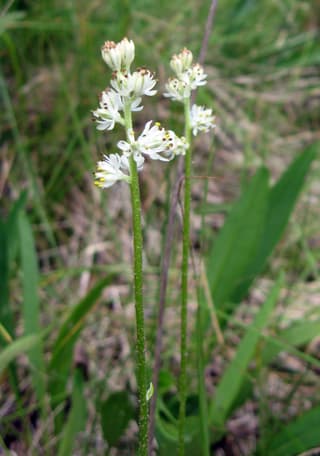
| Sticky false asphodel | Hard | Bright indirect | 1d | ✓ |
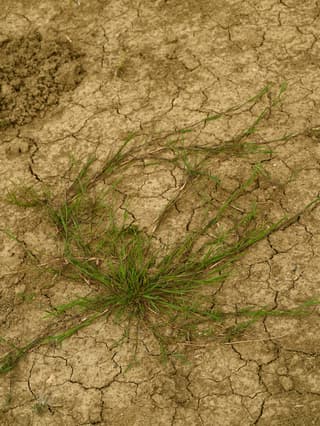
| Creeping bentgrass | Hard | Direct sun | 3d | ✓ |
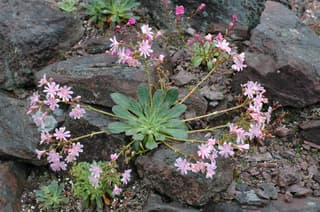
| Siskiyou Lewisia | Medium | Bright indirect | 10d | ✓ |
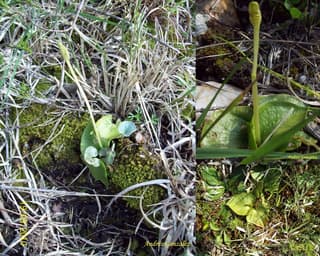
| Bulbous Adder's-tongue | Hard | Partial shade | 4d | ✓ |