Poaceae
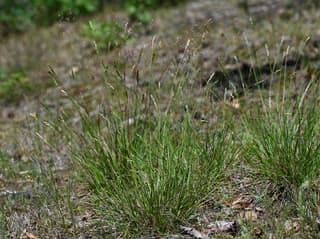
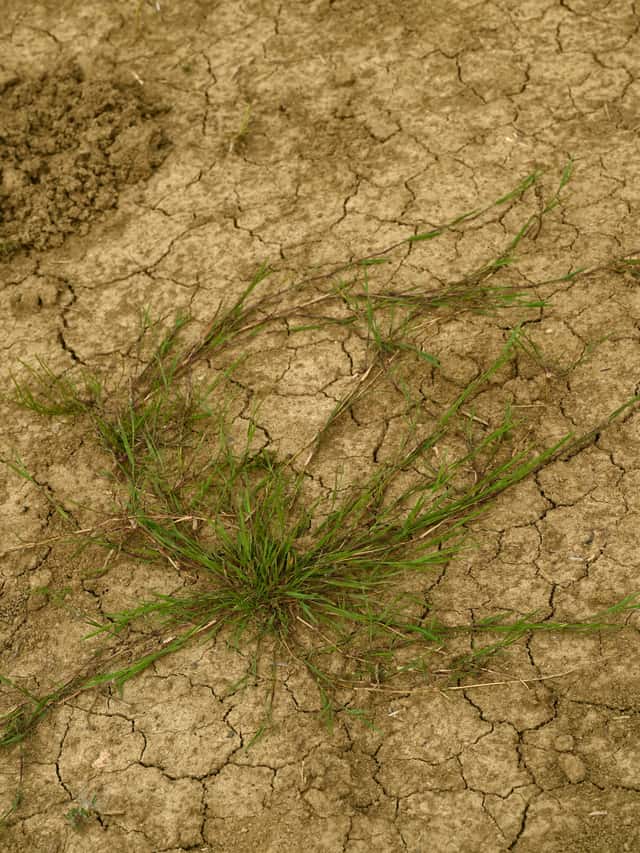
Creeping Bentgrass (Agrostis stolonifera)
Agrostis stolonifera
Requires frequent watering, regular fertilization, and low mowing to maintain quality. Prefers full sun and slightly acidic, well-drained loamy soil. Highly susceptible to fungal diseases in warm, humid conditions. Periodic scarification and aeration are essential for long-term health.
Every 3 days
Direct sun
-20° - 30°C
60% - 80%
Categories
What is Creeping bentgrass?
Creeping bentgrass (Agrostis stolonifera) is a hard-care plant from the Poaceae family. Agrostis stolonifera, commonly known as creeping bentgrass, is a perennial cool-season grass native to temperate Europe and Asia. It is prized worldwide for producing extremely fine, dense turf through its creeping stolons that root at every node. Widely used on golf course putting greens, bowling g...
Creeping bentgrass grows up to 90cm, spread of 100cm, watering every 3 days, -20°C – 30°C, 60–80% humidity. It is not suitable for indoor environments and safe for pets.
Unlike easy-care plants, Creeping bentgrass demands constant attention to humidity and light. Not recommended for beginners. Unlike many popular species, Creeping bentgrass is safe to keep around pets.
How to Care for Creeping bentgrass?
TLDR: Creeping bentgrass needs Direct sun, watering every 3 days, and temperatures between -20-30°C with 60-80% humidity.
How Often Should You Water Creeping bentgrass?
Water every 3 days or when the top layer of soil begins to dry. Water deeply in the early morning to reduce fungal disease risk.
How Much Light Does Creeping bentgrass Need?
Requires full sun — at least 6 hours of direct sunlight daily. Poor shade tolerance. Prolonged shade leads to thinning and disease.
What Is the Best Soil for Creeping bentgrass?
Use loamy, well-draining soil with pH between 5.5 and 8.0. Slightly acidic soils (pH 6.0–6.5) are optimal. Aerate regularly to maintain healthy root development.
Care Schedule
Fertilize
Every 30 days
What Is Creeping bentgrass and Where Does It Come From?
Agrostis stolonifera, commonly known as creeping bentgrass, is a perennial cool-season grass native to temperate Europe and Asia. It is prized worldwide for producing extremely fine, dense turf through its creeping stolons that root at every node. Widely used on golf course putting greens, bowling greens, and elite sports fields, it demands intensive management but rewards with an unmatched carpet-like appearance.
How to Propagate Creeping bentgrass?
Stolon division
Divide in spring or early autumn. Keep the substrate consistently moist during the rooting phase.
- 1 Select healthy stolons with visible nodes
- 2 Cut 10-15 cm segments with at least 2 nodes each
- 3 Press segments lightly onto moist loamy substrate
- 4 Keep soil moist and in full sun until rooting is established
Materials needed:
Seed sowing
Germination is best between 15°C and 25°C. Avoid covering seeds too deeply.
- 1 Prepare a level, debris-free seedbed
- 2 Distribute seeds evenly on the surface (4-10 g/m²)
- 3 Cover lightly with a thin layer of substrate
- 4 Water gently and keep moist until germination
Materials needed:
How Big Does Creeping bentgrass Grow?
TLDR: Creeping bentgrass can reach up to 90cm tall with Fast growth rate.
Max height
90cm
Spread
1.0m
Growth rate
Fast
Foliage
Evergreen
Plant Uses
Ornamental
Great for decoration
Ground Cover
Soil coverage
Is your plant showing symptoms?
Click on the symptom to discover possible causes:
What Diseases Commonly Affect Creeping bentgrass?
TLDR: Creeping bentgrass is susceptible to 6 known diseases. Monitor regularly for early detection.
Pythium Root Rot
Pythium root rot is a serious fungal disease caused by various Pythium species including P. aphanidermatum, P. ultimum, and P. irregulare. These water molds are present in practically all cultivated soils and attack plant roots under wet conditions, causing rapid wet rot that can extend into the stem. The disease is favored by poor drainage, overwatering, and specific temperatures depending on the species.
Fusarium Wilt
Fusarium wilt is a serious fungal disease caused by the soil-borne fungus Fusarium oxysporum. The fungus invades roots and blocks the water-conducting vessels (xylem) of the plant, causing progressive wilting and eventual death. Host-specific forms of the pathogen exist that attack different plant species.
Gray Mold (Botrytis Blight)
Gray mold, caused by the fungus Botrytis cinerea, is a widespread necrotrophic pathogen affecting over 1,400 plant species. It thrives in cool, humid conditions and attacks weakened or aging plant tissues, causing soft rot and characteristic gray fuzzy growth.
Rust
Rust is a common fungal disease caused by fungi in the order Pucciniales that affects a wide variety of plants. The disease gets its name from the characteristic orange, yellow, or reddish-brown pustules that appear on leaves, resembling metal rust. This obligate fungal parasite requires living plants to survive and can cause significant economic losses in agricultural crops.
Meaning & Symbolism
Represents precision, dedication, and the pursuit of perfection; synonymous with elite sporting surfaces worldwide.
Fun Facts
Creeping bentgrass can root at every node along its stolons, colonizing large areas extremely quickly.
It is the grass of choice for professional golf putting greens worldwide due to its unmatched texture.
Even when mowed to just 3 mm on professional golf greens, the plant continues to grow vigorously.
Originally from Europe, creeping bentgrass is now found on every continent as an ornamental and sports turf grass.
Frequently asked questions
How often should I water creeping bentgrass?
Is creeping bentgrass toxic to pets?
What mowing height is best for creeping bentgrass?
Why is my creeping bentgrass turning yellow?
Can creeping bentgrass be grown indoors?
Compare with similar plants
| Attribute | Difficulty | Light | Watering | Pet Safe |
|---|---|---|---|---|
| Sticky false asphodel | Hard | Bright indirect | 1d | ✓ |
| Muriel's Bamboo | Medium | Partial shade | 3d | ✓ |
| Bulbous Adder's-tongue | Hard | Partial shade | 4d | ✓ |
| Crystal Anthurium | Hard | Partial shade | 7d | ⚠️ |