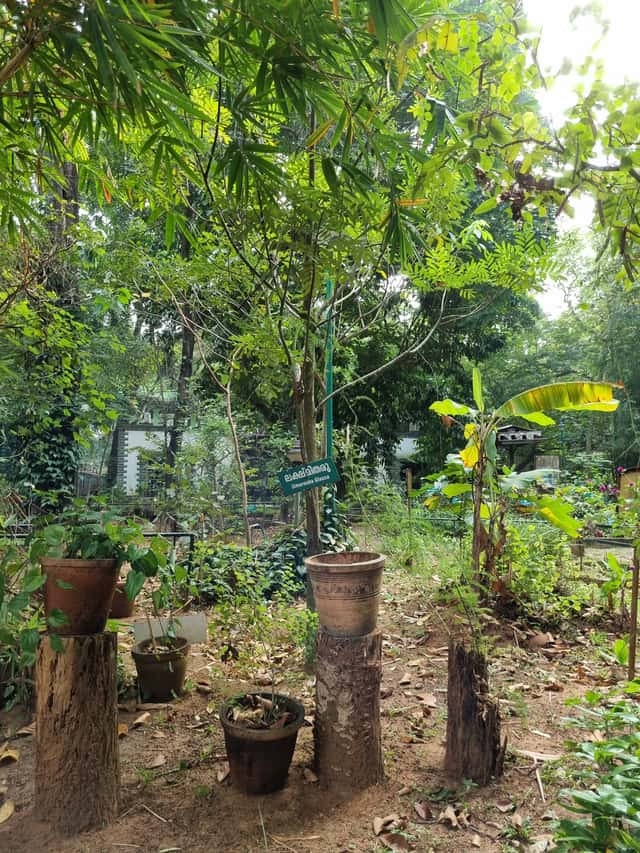
Simaroubaceae
Bitterwood (Simarouba glauca)
Simarouba glauca
Give this tree full sun to partial shade and well-drained soil of any texture. Water regularly while young to establish a deep root system; once mature, it tolerates drought and needs little supplemental care. It is naturally resistant to most pests and diseases.
Every 12 days
Bright indirect
10° - 40°C
50% - 90%
Categories
What is Bitterwood?
Bitterwood (Simarouba glauca) is a easy-care plant from the Simaroubaceae family. Bitterwood (Simarouba glauca) is a fast-growing evergreen tree native to Central America, the Caribbean, and southern Florida, belonging to the Simaroubaceae family. It features glossy, pinnately compound leaves that emerge reddish-orange before maturing to deep green, and clusters of small yellow-t...
Bitterwood grows up to 15.0m, spread of 800cm, watering every 12 days, 10°C – 40°C, 50–90% humidity. It is not suitable for indoor environments and safe for pets.
Unlike many tropical plants, Bitterwood tolerates watering mistakes. Best for beginners. Unlike many popular species, Bitterwood is safe to keep around pets.
How to Care for Bitterwood?
TLDR: Bitterwood needs Bright indirect, watering every 12 days, and temperatures between 10-40°C with 50-90% humidity.
How Often Should You Water Bitterwood?
Water deeply but infrequently, allowing the soil to dry between waterings, especially once the tree is established. Young plants need more consistent moisture to develop strong roots.
How Much Light Does Bitterwood Need?
Thrives in full sun but tolerates partial shade, especially when young; more sun produces denser, fuller growth.
What Is the Best Soil for Bitterwood?
Adapts to sandy, loamy, or clay soils as long as drainage is good; tolerates both acidic and alkaline pH.
What Pot Should You Use for Bitterwood?
Large nursery pot or in-ground planting; not suitable for small containers due to eventual tree size
Care Schedule
Fertilize
Every 30 days
Rotate
Every 14 days
Repot
Every 730 days
What Is Bitterwood and Where Does It Come From?
Bitterwood (Simarouba glauca) is a fast-growing evergreen tree native to Central America, the Caribbean, and southern Florida, belonging to the Simaroubaceae family. It features glossy, pinnately compound leaves that emerge reddish-orange before maturing to deep green, and clusters of small yellow-to-creamy-white flowers that bloom from late winter into spring, followed by dark purple, olive-shaped drupes. Highly adaptable, it tolerates a wide range of soils, drought, salt spray, and poor conditions once established, making it a popular shade and street tree in warm climates. Its bark and leaves have a long history of traditional medicinal use, particularly for fevers and dysentery.
How to Propagate Bitterwood?
Seed Propagation
Seeds lose viability within a few months, so sow them as soon as possible after harvest for best germination rates.
- 1 Collect ripe purple drupes as soon as they fall, since seed viability is short-lived
- 2 Clean the pulp from the seed
- 3 Sow fresh seed immediately in well-drained potting mix
- 4 Keep the soil moist and warm until germination
Materials needed:
How Big Does Bitterwood Grow?
TLDR: Bitterwood can reach up to 15.0m tall with Medium growth rate.
Max height
15.0m
Spread
8.0m
Growth rate
Medium
Foliage
Evergreen
Plant Uses
Medicinal
Medicinal properties
Edible
Can be consumed
Ornamental
Great for decoration
Medicinal Uses
- Bark and leaves used traditionally for malaria, fevers, and dysentery
Culinary Uses
- Fruit eaten raw (mild flavor)
- Seed oil used in bakery products and margarine
Is your plant showing symptoms?
Click on the symptom to discover possible causes:
What Diseases Commonly Affect Bitterwood?
TLDR: Bitterwood is susceptible to 4 known diseases. Monitor regularly for early detection.
Aphids
Aphids are small, soft-bodied, pear-shaped insects (1/16 to 1/8 inch long) that feed by sucking nutrient-rich sap from plants. They reproduce rapidly and can quickly weaken plants, causing distorted growth and transmitting plant viruses. Aphids come in various colors including green, black, red, yellow, brown, and gray. They secrete honeydew, a sticky substance that attracts ants and encourages sooty mold growth.
Mealybugs
Mealybugs are small, soft-bodied insects covered with a white, waxy, cottony material. They are common pests of houseplants and outdoor plants in mild climates. These sap-sucking insects feed on plant tissue, causing damage, stunted growth, and can lead to plant death if left untreated. They produce sticky honeydew which attracts sooty mold.
Scale Insects
Scale insects are small sap-sucking pests that appear as brown, shell-like bumps on plant stems and leaves. There are over 25 species, divided into armored (hard) and unarmored (soft) scales. They feed by piercing plant tissue and extracting sap, which weakens the plant and can lead to yellowing, stunted growth, and even death if left untreated. They also excrete honeydew, which attracts ants and promotes sooty mold growth.
Leaf Spot
Leaf spot is a common fungal disease caused by various pathogens including Alternaria, Ascochyta, Colletotrichum, Septoria, and Venturia. It primarily affects leaves, causing discolored spots that can lead to premature leaf drop if left untreated.
Meaning & Symbolism
Regarded in parts of its native range as a symbol of resilience and healing, thriving in harsh, dry conditions while offering shade and traditional remedies.
Fun Facts
A single mature tree can produce 15-30 kg of seeds, whose oil is used in bakery and cosmetic products
Its bark has been used for centuries to treat malaria and dysentery in traditional medicine
It grows quickly enough to be used for reforestation and erosion control
Frequently asked questions
How much sun does Bitterwood need?
Is Bitterwood drought tolerant?
What soil does Simarouba glauca prefer?
Does Bitterwood have pest or disease problems?
Compare with similar plants
| Attribute | Difficulty | Light | Watering | Pet Safe |
|---|---|---|---|---|
| Field Maple | Easy | Bright indirect | 14d | ✓ |
| Silver Birch | Easy | Direct sun | 14d | ✓ |
| Common Blanketflower | Easy | Direct sun | 10d | ✓ |
| Cushion Bush | Easy | Direct sun | 14d | ✓ |





