Rosaceae
Black Raspberry Care Guide
Rubus occidentalis
Plant black raspberry in full sun with well-drained, fertile soil enriched with organic matter. Water deeply once a week, mulch to retain moisture, and prune out spent floricanes after harvest to keep the patch productive and airy.
Every 7 days
Bright indirect
10° - 29°C
% - %
Categories
What is Black Raspberry?
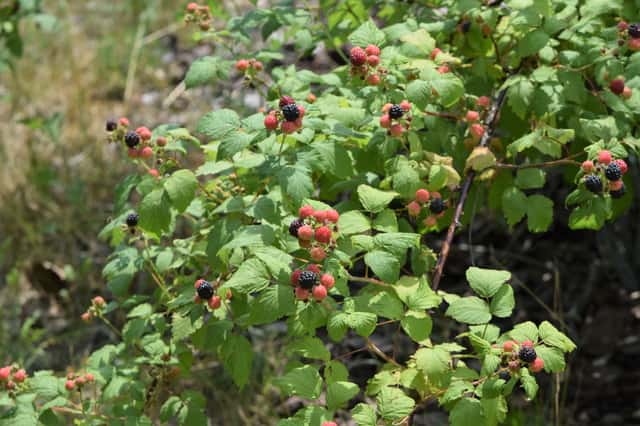
Black Raspberry (Rubus occidentalis) is a easy-care plant from the Rosaceae family. Rubus occidentalis, commonly known as black raspberry or blackcap, is a thorny, deciduous cane fruit native to eastern North America. Distinguished by its arching purple-tinged canes covered in a waxy white bloom, this vigorous bramble produces small, dome-shaped black berries prized for their deep,...
Black Raspberry grows up to 1.8m, spread of 120cm, watering every 7 days, 10°C – 29°C. It is not suitable for indoor environments and safe for pets.
Unlike many tropical plants, Black Raspberry tolerates watering mistakes. Best for beginners. Unlike many popular species, Black Raspberry is safe to keep around pets.
How to Care for Black Raspberry?
TLDR: Black Raspberry needs Bright indirect, watering every 7 days, and temperatures between 10-29°C with 40-70% humidity.
How Often Should You Water Black Raspberry?
Water deeply about once a week, providing 2-5 cm of water; increase frequency during fruit development and dry spells, but avoid waterlogging the roots.
How Much Light Does Black Raspberry Need?
Give black raspberry full sun (6-8 hours daily) for the best fruit yield; it tolerates light afternoon shade in hot climates but canes become leggy in deep shade.
What Is the Best Soil for Black Raspberry?
Use well-drained, fertile loam enriched with compost; aim for a slightly acidic pH of 5.5-6.5 and avoid heavy, waterlogged clay which promotes root rot.
What Pot Should You Use for Black Raspberry?
Best grown in open ground or a large raised bed (at least 60 cm deep) with drainage holes; if container growing is necessary, use a wide, deep pot of 40+ liters.
Care Schedule
Fertilize
Every 60 days
What Is Black Raspberry and Where Does It Come From?
Rubus occidentalis, commonly known as black raspberry or blackcap, is a thorny, deciduous cane fruit native to eastern North America. Distinguished by its arching purple-tinged canes covered in a waxy white bloom, this vigorous bramble produces small, dome-shaped black berries prized for their deep, tart-sweet flavor and high antioxidant content. Unlike red raspberries, black raspberry canes root at the tip where they touch soil, forming new plants naturally. It thrives in sunny hedgerows, woodland edges, and cultivated berry patches.
How to Propagate Black Raspberry?
Tip Layering
Black raspberries naturally tip-root where canes touch soil, making this the easiest and most reliable propagation method; simply encourage the process by pinning cane tips down.
- 1 In mid to late summer, bend a flexible cane tip down to the soil.
- 2 Bury the tip 5-8 cm deep, leaving the growing point exposed.
- 3 Keep the soil consistently moist until roots form.
- 4 Sever the new plant from the parent cane once well rooted, usually in fall or the following spring.
- 5 Transplant the rooted tip to its permanent location.
Materials needed:
Seed Propagation
Seed propagation is slow and offspring may not be true to the parent plant; layering or cuttings are preferred for reliable results.
- 1 Extract seeds from fully ripe berries and clean off the pulp.
- 2 Stratify seeds in moist sand in the refrigerator for 90-120 days.
- 3 Sow stratified seeds in seed trays with moist, well-drained potting mix.
- 4 Keep at 18-21C until germination, which can be slow and uneven.
- 5 Transplant seedlings outdoors once they have several true leaves.
Materials needed:
How Big Does Black Raspberry Grow?
TLDR: Black Raspberry can reach up to 1.8m tall with Fast growth rate.
Max height
1.8m
Spread
1.2m
Growth rate
Fast
Foliage
Deciduous
Plant Uses
Edible
Can be consumed
Medicinal
Medicinal properties
Medicinal Uses
- Fruit extracts studied for antioxidant and anti-inflammatory properties
- Anthocyanin-rich berries used in traditional remedies to support cardiovascular health
- Leaves used in folk teas for mild astringent, soothing effects
Culinary Uses
- Eaten fresh out of hand when fully ripe
- Made into jams, jellies, and preserves
- Used in pies, cobblers, and baked goods
- Pressed into juice and syrup
- Dried for use in trail mixes and baking
- Used to flavor wine and liqueurs
Is your plant showing symptoms?
Click on the symptom to discover possible causes:
What Diseases Commonly Affect Black Raspberry?
TLDR: Black Raspberry is susceptible to 8 known diseases. Monitor regularly for early detection.
Anthracnose
Anthracnose is a fungal disease caused by fungi in the genus Colletotrichum that affects many plants, including vegetables, fruits, and trees. The disease thrives in cool, wet conditions, causing dark, sunken lesions on leaves, stems, flowers, and fruits.
Grey Mould
Powdery Mildew
Powdery mildew is a common fungal disease caused by various fungi species including Erysiphe, Podosphaera, Oïdium, and Leveillula. It affects over 10,000 plant species worldwide. The disease thrives in warm, dry climates with high humidity and appears as a distinctive white powdery coating on plant surfaces.
Phytophthora Root Rot
Disease caused by fungus-like organisms (oomycetes) that live in soil and can survive for years. It affects roots, stem, and crown of plants, being especially severe in waterlogged or poorly drained soils. It is the second most common cause of root rot in trees and shrubs.
Meaning & Symbolism
Brambles like the black raspberry have long symbolized protection, resilience, and abundance -- thorny canes guarding sweet fruit within.
Fun Facts
Black raspberry canes naturally root at the tip wherever they touch soil, creating new plants without any human help.
The berries are especially rich in anthocyanins, giving them one of the darkest, most antioxidant-dense colors of any bramble fruit.
Unlike blackberries, black raspberries pull free from their white core when picked, leaving a hollow center.
Frequently asked questions
How much sun does black raspberry need?
How often should I water black raspberry?
Is black raspberry the same as blackberry?
When should I prune black raspberry?
Compare with similar plants
| Attribute | Difficulty | Light | Watering | Pet Safe |
|---|---|---|---|---|
| Field Maple | Easy | Bright indirect | 14d | ✓ |
| Silver Birch | Easy | Direct sun | 14d | ✓ |
| Common Blanketflower | Easy | Direct sun | 10d | ✓ |
| Cushion Bush | Easy | Direct sun | 14d | ✓ |





