Araceae
Black Velvet Alocasia (Alocasia reginula) Complete Care Guide
Alocasia reginula
Provide bright indirect light, allow the top 2 inches of soil to dry between waterings, and maintain humidity between 60–75%. Use a fast-draining mix of perlite, orchid bark, and peat. Fertilize monthly during the growing season. Keep away from drafts and direct sun.
Every 9 days
Partial shade
13° - 27°C
60% - 75%
Categories
What is Black Velvet Alocasia?
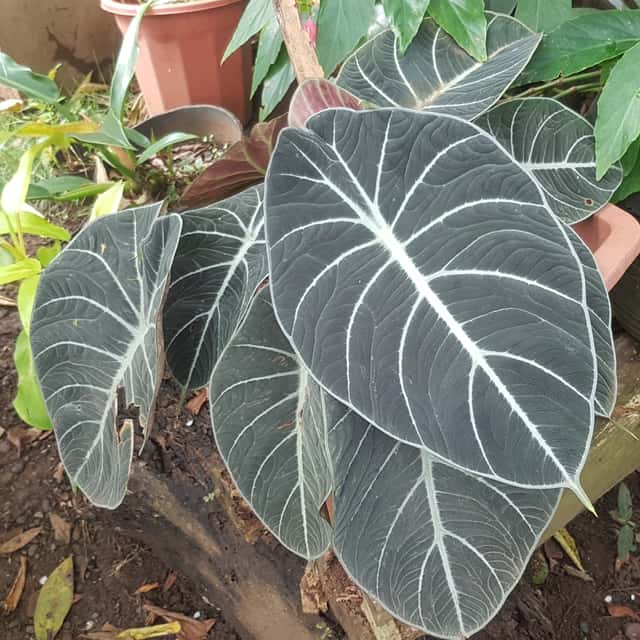
Black Velvet Alocasia (Alocasia reginula) is a medium-care plant from the Araceae family. Alocasia reginula, commonly known as Black Velvet Alocasia, is a striking compact tropical plant native to the rainforests of Borneo. It is prized for its deep, near-black velvety leaves adorned with contrasting silvery-white veins. Unlike larger Alocasia species, this jewel alocasia stays small and...
Black Velvet Alocasia grows up to 45cm, spread of 45cm, watering every 9 days, 13°C – 27°C, 60–75% humidity. It is suitable for indoor environments and not safe for pets.
Without precautions, ingestion can cause irritation in pets. Keep out of reach of cats and dogs. Without adequate drainage, root rot can develop within 18 days.
How to Care for Black Velvet Alocasia?
TLDR: Black Velvet Alocasia needs Partial shade, watering every 9 days, and temperatures between 13-27°C with 60-75% humidity.
How Often Should You Water Black Velvet Alocasia?
Water when the top 2 inches of soil feel dry — roughly every 9 days. Always use a pot with drainage holes and empty saucers after watering. The rhizomes store moisture, so err on the side of underwatering. Never let the plant sit in standing water.
How Much Light Does Black Velvet Alocasia Need?
Place in bright indirect light near a north or east-facing window. Avoid direct sunlight, which scorches the delicate velvety leaves. Tolerates lower light better than most Alocasias, but growth will slow significantly in dim conditions.
What Is the Best Soil for Black Velvet Alocasia?
Use a very well-draining mix: combine 2 parts perlite and 2 parts orchid bark with 1 part potting soil or coco coir. A slightly acidic pH of 5.5–6.5 is ideal. Avoid heavy, moisture-retaining soils that can cause root rot.
What Pot Should You Use for Black Velvet Alocasia?
Choose a terracotta or unglazed ceramic pot for better airflow and moisture regulation. Slightly rootbound conditions are preferred, so avoid oversizing — a pot just 1–2 cm larger than the root ball is ideal.
Care Schedule
Fertilize
Every 30 days
Rotate
Every 30 days
Repot
Every 730 days
What Is Black Velvet Alocasia and Where Does It Come From?
Alocasia reginula, commonly known as Black Velvet Alocasia, is a striking compact tropical plant native to the rainforests of Borneo. It is prized for its deep, near-black velvety leaves adorned with contrasting silvery-white veins. Unlike larger Alocasia species, this jewel alocasia stays small and manageable, making it an ideal statement houseplant. Its thick, succulent-like rhizomes store water, giving it some drought tolerance but also making it highly susceptible to root rot if overwatered.
How to Propagate Black Velvet Alocasia?
Rhizome Offset Division
Offsets root best when they already have at least one leaf. Keep humidity high (above 60%) to support rooting. Avoid fertilizing newly divided plants for 4–6 weeks.
- 1 Gently remove the plant from its pot during repotting in spring.
- 2 Identify small offsets or pups growing from the base of the rhizome.
- 3 Carefully separate offsets with your hands or a clean, sharp knife.
- 4 Plant each offset in a small pot with well-draining mix.
- 5 Keep in warm, humid conditions and water lightly until established.
Materials needed:
How Big Does Black Velvet Alocasia Grow?
TLDR: Black Velvet Alocasia can reach up to 45cm tall with Slow growth rate.
Max height
45cm
Spread
45cm
Growth rate
Slow
Foliage
Evergreen
Warning: Toxic Plant
This plant can be toxic if ingested. Keep out of reach of:
Plant Uses
Ornamental
Great for decoration
Is your plant showing symptoms?
Click on the symptom to discover possible causes:
What Diseases Commonly Affect Black Velvet Alocasia?
TLDR: Black Velvet Alocasia is susceptible to 7 known diseases. Monitor regularly for early detection.
Root Rot
Root rot is a serious fungal disease that affects the root system of plants, causing them to decay and die. It is primarily caused by overwatering, poor drainage, or soil-borne fungi such as Pythium, Phytophthora, Rhizoctonia, and Fusarium. The disease thrives in waterlogged conditions where roots are deprived of oxygen, making them susceptible to fungal infection.
Spider Mites
Spider mites are tiny arachnids (less than 1/20 inch long) related to spiders and ticks that feed on plant sap. They thrive in hot, dry conditions and can cause significant damage to ornamental and vegetable plants. During severe infestations, crop losses can reach 14% or higher as these pests disrupt vital plant processes including photosynthesis, carbon dioxide absorption, and transpiration.
Leaf Spot
Leaf spot is a common fungal disease caused by various pathogens including Alternaria, Ascochyta, Colletotrichum, Septoria, and Venturia. It primarily affects leaves, causing discolored spots that can lead to premature leaf drop if left untreated.
Overwatering
Overwatering occurs when plants receive too much water, depriving roots of oxygen and causing root rot. This environmental stress is one of the most common causes of houseplant death, as waterlogged soil prevents roots from breathing and functioning properly.
Meaning & Symbolism
The deep, velvet-black leaves of Alocasia reginula represent elegance, mystery, and the quiet sophistication found in nature's most dramatic contrasts.
Fun Facts
Alocasia reginula is native only to the island of Borneo, where it grows on the forest floor in the shadow of towering tropical trees.
The name "reginula" means "little queen" in Latin — a perfect tribute to its regal, jewel-like appearance.
The velvety texture of its leaves comes from microscopic hair-like structures that give them a soft, almost fabric-like feel.
Despite its exotic appearance, it rarely flowers indoors — its beauty is all in the foliage.
Frequently asked questions
How often should I water Black Velvet Alocasia?
Is Black Velvet Alocasia toxic to pets?
Why are my Black Velvet Alocasia leaves turning yellow?
How much humidity does Black Velvet Alocasia need?
Does Black Velvet Alocasia go dormant?
Compare with similar plants
| Attribute | Difficulty | Light | Watering | Pet Safe |
|---|---|---|---|---|
| Dark Fieldcap | Medium | Low light | 2d | ⚠️ |
| Azalea | Medium | Partial shade | 3d | ⚠️ |
| Muriel's Bamboo | Medium | Partial shade | 3d | ✓ |
| Bougainvillea | Medium | Direct sun | 7d | ⚠️ |




