Lamiaceae
Blue Coleus (Coleus neochilus): Complete Plant Care Guide
Coleus neochilus
An easy-care, drought-tolerant plant. Thrives in full sun to partial shade with well-draining soil and moderate watering. Extremely resilient once established. Light pruning after flowering encourages bushy regrowth. Excellent as ground cover, container plant, or border edging.
Every 12 days
Bright indirect
10° - 35°C
30% - 70%
Categories
What is Blue Coleus?
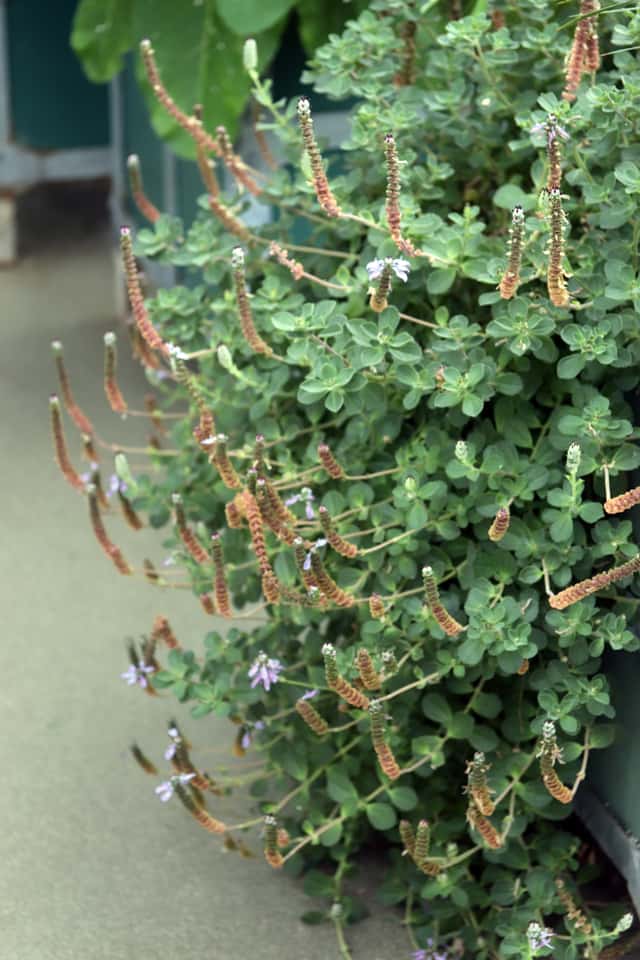
Blue Coleus (Coleus neochilus) is a easy-care plant from the Lamiaceae family. Coleus neochilus, commonly known as Blue Coleus or Lobster Bush, is a fast-growing aromatic perennial herb in the Lamiaceae family, native to southern Africa (South Africa, Zimbabwe, and Mozambique). It forms dense, spreading mounds of succulent, grey-green scalloped leaves that emit a pungent, camp...
Blue Coleus grows up to 50cm, spread of 60cm, watering every 12 days, 10°C – 35°C, 30–70% humidity. It is suitable for indoor environments and not safe for pets.
Unlike many tropical plants, Blue Coleus tolerates watering mistakes. Best for beginners. Without precautions, ingestion can cause irritation in pets. Keep out of reach of cats and dogs. Without adequate drainage, root rot can develop within 24 days.
How to Care for Blue Coleus?
TLDR: Blue Coleus needs Bright indirect, watering every 12 days, and temperatures between 10-35°C with 30-70% humidity.
How Often Should You Water Blue Coleus?
Water when the top 2-3 cm of soil feel dry, approximately every 10-14 days. In hot weather, water every 8-10 days; in winter, every 14-18 days. Avoid waterlogging — the plant is susceptible to root rot. Always allow excess water to drain freely from the pot.
How Much Light Does Blue Coleus Need?
Full sun to partial shade. Outdoors, it thrives in direct sunlight. Indoors, place within 50 cm of an east or west-facing window. Morning sun is ideal; protect from intense midday sun in very hot climates. Insufficient light reduces fragrance and flowering.
What Is the Best Soil for Blue Coleus?
Use a light, well-draining mix. Combine quality potting mix with 30-40% perlite or coarse sand. Ideal pH range: 6.0–7.5. Avoid heavy clay soils or any mix that retains excess moisture around the roots.
What Pot Should You Use for Blue Coleus?
Terracotta or unglazed clay pots are ideal as they promote drainage and prevent waterlogging. Always use pots with drainage holes. Hanging baskets also work well to showcase the spreading habit.
Care Schedule
Fertilize
Every 30 days
Repot
Every 365 days
What Is Blue Coleus and Where Does It Come From?
Coleus neochilus, commonly known as Blue Coleus or Lobster Bush, is a fast-growing aromatic perennial herb in the Lamiaceae family, native to southern Africa (South Africa, Zimbabwe, and Mozambique). It forms dense, spreading mounds of succulent, grey-green scalloped leaves that emit a pungent, camphor-like scent naturally repelling flies and mosquitoes. Upright spikes of small purple-blue flowers bloom twice yearly, in late summer and winter. In Brazil it is widely grown as a medicinal herb under the folk name "boldo-rasteiro" and valued for digestive complaints.
How to Propagate Blue Coleus?
Stem Cutting
Cuttings root readily in water or soil. If propagating in water, change it every 3 days. Covering with a clear plastic bag increases humidity and speeds rooting.
- 1 Cut a healthy stem 8-10 cm long, just below a node
- 2 Remove the lower leaves, keeping 2-3 at the top
- 3 Optionally dip the base in rooting hormone powder
- 4 Place in a glass of water or moist well-draining medium
- 5 Keep in bright indirect light with moderate humidity
- 6 Transplant to a pot once roots reach 2-3 cm in length
Materials needed:
Seed Sowing
Stem cuttings are faster and more reliable. Use fresh seeds for best germination rates and avoid letting the medium dry out.
- 1 Fill a tray with fine, moist seed-raising mix
- 2 Sow seeds on the surface and cover with a thin layer of mix
- 3 Maintain temperature at 20-25°C and keep substrate moist
- 4 Germination occurs within 10-21 days
- 5 Transplant seedlings when they reach 5-6 cm tall
Materials needed:
How Big Does Blue Coleus Grow?
TLDR: Blue Coleus can reach up to 50cm tall with Fast growth rate.
Max height
50cm
Spread
60cm
Growth rate
Fast
Foliage
Evergreen
Warning: Toxic Plant
This plant can be toxic if ingested. Keep out of reach of:
Plant Uses
Ornamental
Great for decoration
Aromatic
Pleasant fragrance
Medicinal
Medicinal properties
Ground Cover
Soil coverage
Medicinal Uses
- Digestive aid — leaf tea is used in traditional African and Brazilian medicine to relieve indigestion, bloating, and nausea
- Natural insect repellent — the aromatic essential oils in the leaves deter flies and mosquitoes
- Antimicrobial properties — studies have shown the essential oil is active against cariogenic bacteria
Is your plant showing symptoms?
Click on the symptom to discover possible causes:
What Diseases Commonly Affect Blue Coleus?
TLDR: Blue Coleus is susceptible to 8 known diseases. Monitor regularly for early detection.
Root Rot
Root rot is a serious fungal disease that affects the root system of plants, causing them to decay and die. It is primarily caused by overwatering, poor drainage, or soil-borne fungi such as Pythium, Phytophthora, Rhizoctonia, and Fusarium. The disease thrives in waterlogged conditions where roots are deprived of oxygen, making them susceptible to fungal infection.
Overwatering
Overwatering occurs when plants receive too much water, depriving roots of oxygen and causing root rot. This environmental stress is one of the most common causes of houseplant death, as waterlogged soil prevents roots from breathing and functioning properly.
Downy Mildew
Downy mildew is a fungal-like disease caused by oomycetes (water molds) that thrives in cool, wet conditions. It affects a wide range of plants, causing yellowing leaves with fuzzy white-gray growth underneath, leading to defoliation and reduced yields if left untreated.
Spider Mites
Spider mites are tiny arachnids (less than 1/20 inch long) related to spiders and ticks that feed on plant sap. They thrive in hot, dry conditions and can cause significant damage to ornamental and vegetable plants. During severe infestations, crop losses can reach 14% or higher as these pests disrupt vital plant processes including photosynthesis, carbon dioxide absorption, and transpiration.
Meaning & Symbolism
Resilience and protection — the intense aromatic scent is traditionally associated with warding off insects and negative influences in Southern African folk practice.
Fun Facts
Coleus neochilus blooms twice a year — in late summer and in winter — making it one of the few plants with two distinct flowering periods annually.
The pungent scent of the leaves acts as a natural repellent for flies and mosquitoes; in southern Africa it is deliberately planted near doorways and windows.
Despite being called "Blue Coleus", the flowers are actually purple-mauve rather than true blue, and each has a distinctive boat-shaped lower lip that inspired the common name "Lobster Bush".
Research published in 2015 found that the essential oil of Coleus neochilus shows antimicrobial activity against bacteria associated with dental cavities.
Frequently asked questions
How often should I water Blue Coleus?
Is Coleus neochilus toxic to cats and dogs?
Can I grow Blue Coleus indoors?
How do I propagate Blue Coleus?
Why are the leaves losing their scent?
Compare with similar plants
| Attribute | Difficulty | Light | Watering | Pet Safe |
|---|---|---|---|---|
| Field Maple | Easy | Bright indirect | 14d | ✓ |
| Silver Birch | Easy | Direct sun | 14d | ✓ |
| Common Blanketflower | Easy | Direct sun | 10d | ✓ |
| Cushion Bush | Easy | Direct sun | 14d | ✓ |





