Buxaceae
Boxwood (Buxus): Care, Pruning & Propagation
Buxus
Grows in full sun to part shade with well-drained soil and moderate watering. Drought-tolerant once established. Can suffer from fungal disease in humid, poorly ventilated spots.
Every 7 days
Partial shade
° - °C
% - %
Categories
What is Boxwood?
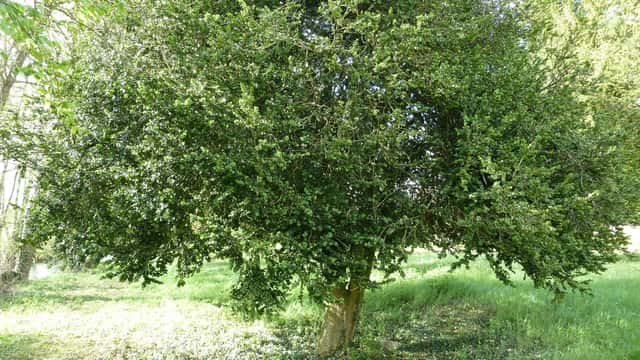
Boxwood (Buxus) is a easy-care plant from the Buxaceae family. Boxwood (Buxus) is an evergreen shrub in the Buxaceae family, prized for formal hedging, borders and topiary. Slow-growing with small, dense leaves, it tolerates heavy shearing and holds its shape for decades.
Boxwood grows up to 5.0m, spread of 500cm, watering every 7 days. It is not suitable for indoor environments and not safe for pets.
Unlike many tropical plants, Boxwood tolerates watering mistakes. Best for beginners. Without precautions, ingestion can cause irritation in pets. Keep out of reach of cats and dogs.
How to Care for Boxwood?
TLDR: Boxwood needs Partial shade, watering every 7 days, and temperatures between 15-30°C with 40-70% humidity.
How Often Should You Water Boxwood?
Water 2-3 times a week in spring and summer while establishing, then reduce to weekly in fall/winter. Avoid waterlogging, which encourages root rot.
How Much Light Does Boxwood Need?
Thrives in full sun to partial shade; in very hot climates some afternoon shade helps prevent leaf scorch.
What Is the Best Soil for Boxwood?
Well-drained soil, from sandy to clay, with pH 5.5-7.4 (acidic to slightly alkaline). Avoid waterlogged ground.
What Pot Should You Use for Boxwood?
Terracotta or ceramic pots with good drainage, especially for topiary and bonsai specimens; ensure generous drainage holes.
Care Schedule
Fertilize
Every 180 days
What Is Boxwood and Where Does It Come From?
Boxwood (Buxus) is an evergreen shrub in the Buxaceae family, prized for formal hedging, borders and topiary. Slow-growing with small, dense leaves, it tolerates heavy shearing and holds its shape for decades.
How to Propagate Boxwood?
Semi-hardwood stem cuttings
Use clean tools and a light substrate; rooting is slow, so be patient.
- 1 Take 8-10 cm semi-hardwood cuttings in summer
- 2 Strip leaves from the lower half of the cutting
- 3 Dip the base in rooting hormone
- 4 Plant in well-drained substrate and keep evenly moist
Materials needed:
How Big Does Boxwood Grow?
TLDR: Boxwood can reach up to 5.0m tall with Slow growth rate.
Max height
5.0m
Spread
5.0m
Growth rate
Slow
Foliage
Evergreen
Warning: Toxic Plant
This plant can be toxic if ingested. Keep out of reach of:
Plant Uses
Ornamental
Great for decoration
Is your plant showing symptoms?
Click on the symptom to discover possible causes:
What Diseases Commonly Affect Boxwood?
TLDR: Boxwood is susceptible to 5 known diseases. Monitor regularly for early detection.
Boxwood Blight
Caterpillars
Caterpillars are the larval stage of moths and butterflies that feed voraciously on plant foliage, stems, flowers, and fruits. Common species include cabbage loopers, tomato hornworms, armyworms, and cutworms. These pests can cause extensive damage by consuming large amounts of plant tissue in a short time. They vary in size from small (1/4 inch) to large (5 inches), with colors ranging from green to brown, often featuring stripes or spots. Caterpillars are highly mobile and can quickly spread throughout gardens, making them one of the most destructive common pests.
Leafminers
Leafminers are the larvae of various insects including flies, moths, sawflies, and beetles that tunnel between leaf surfaces, creating distinctive serpentine trails or blotchy patches. While primarily cosmetic, severe infestations can weaken plants by reducing photosynthesis capacity and making them susceptible to secondary infections.
Phytophthora Root Rot
Disease caused by fungus-like organisms (oomycetes) that live in soil and can survive for years. It affects roots, stem, and crown of plants, being especially severe in waterlogged or poorly drained soils. It is the second most common cause of root rot in trees and shrubs.
Meaning & Symbolism
A classical symbol of endurance, constancy and eternity thanks to its evergreen, long-lived foliage — common in formal and memorial gardens.
Fun Facts
Boxwood is one of the oldest ornamental garden plants, used in topiary since Roman times.
Its wood is among the densest of European trees, historically prized for carving and musical instruments.
Boxwood can live for several centuries, with some historic specimens preserved in old gardens.
Frequently asked questions
Is boxwood toxic to dogs and cats?
How often should I water boxwood?
How do I prevent box blight?
Can boxwood be grown in a pot?
Compare with similar plants
| Attribute | Difficulty | Light | Watering | Pet Safe |
|---|---|---|---|---|
| Field Maple | Easy | Bright indirect | 14d | ✓ |
| Silver Birch | Easy | Direct sun | 14d | ✓ |
| Common Blanketflower | Easy | Direct sun | 10d | ✓ |
| Cushion Bush | Easy | Direct sun | 14d | ✓ |
Choose & Compare
Sources & References
- Buxus sempervirens - PFAF Plant Database
- Buxus sempervirens: Advanced Guide to Boxwood Care
- Buxus sempervirens | BBC Gardeners World Magazine
- Box Problems: Common Issues Explained | RHS Advice
- Box blight: Causes, Symptoms & Control | RHS Advice
- Box Tree Moth | USDA APHIS
- Buxus sempervirens - Missouri Botanical Garden Plant Finder
- Buxus sempervirens | NC State Extension Gardener Plant Toolbox
- Boxwood (Buxus spp.) Phytophthora Root and Crown Rot | PNW Handbooks
- Buxus Sempervirens - Schmidt Boxwood





