Asteraceae
Brass Buttons: Ground Cover Plant
Cotula
A hardy and fast-growing groundcover that prefers full sun to partial shade and light, fertile, consistently moist soil. It does not tolerate prolonged drought or waterlogged, compacted soils. Ideal for filling spaces between stepping stones and garden beds.
Every 4 days
Bright indirect
-15° - 27°C
40% - 70%
Categories
What is Brass Buttons?
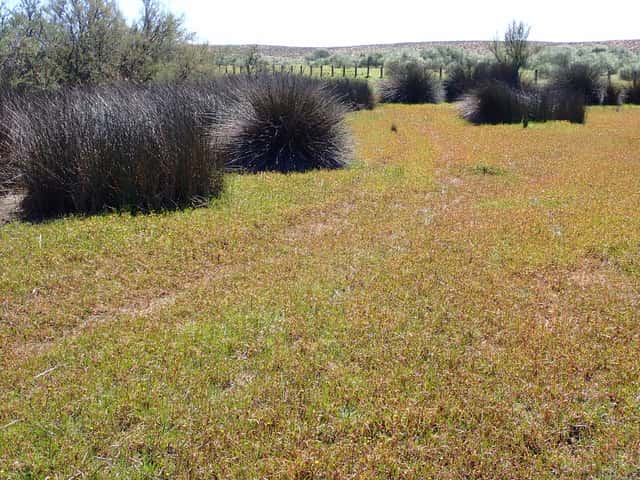
Brass Buttons (Cotula) is a easy-care plant from the Asteraceae family. Cotula is a genus of low-growing herbaceous plants, widely used as a groundcover. It forms a dense carpet of finely dissected, fern-like foliage and produces small, yellow, button-shaped flowers without visible petals, which gives it the common name Brass Buttons. It spreads rapidly via creeping ste...
Brass Buttons grows up to 10cm, spread of 45cm, watering every 4 days, -15°C – 27°C, 40–70% humidity. It is not suitable for indoor environments and safe for pets.
Unlike many tropical plants, Brass Buttons tolerates watering mistakes. Best for beginners. Unlike many popular species, Brass Buttons is safe to keep around pets.
How to Care for Brass Buttons?
TLDR: Brass Buttons needs Bright indirect, watering every 4 days, and temperatures between -15-27°C with 40-70% humidity.
How Often Should You Water Brass Buttons?
Keep the soil consistently moist without letting it dry out completely; water regularly, avoiding waterlogging which promotes root and crown rot.
How Much Light Does Brass Buttons Need?
Grow in full sun in mild climates; in regions with hot summers, provide afternoon shade to prevent the carpet from drying out.
What Is the Best Soil for Brass Buttons?
Prefer light, fertile, slightly acidic, and well-drained soil enriched with organic matter. Avoid heavy and compacted soils.
What Pot Should You Use for Brass Buttons?
When potted, use wide and shallow containers with good drainage; its creeping habit makes it ideal for planters and borders.
Care Schedule
Fertilize
Every 60 days
What Is Brass Buttons and Where Does It Come From?
Cotula is a genus of low-growing herbaceous plants, widely used as a groundcover. It forms a dense carpet of finely dissected, fern-like foliage and produces small, yellow, button-shaped flowers without visible petals, which gives it the common name Brass Buttons. It spreads rapidly via creeping stems.
How Big Does Brass Buttons Grow?
TLDR: Brass Buttons can reach up to 10cm tall with Fast growth rate.
Max height
10cm
Spread
45cm
Growth rate
Fast
Foliage
Semi-evergreen
Plant Uses
Ornamental
Great for decoration
Ground Cover
Soil coverage
Is your plant showing symptoms?
Click on the symptom to discover possible causes:
What Diseases Commonly Affect Brass Buttons?
TLDR: Brass Buttons is susceptible to 4 known diseases. Monitor regularly for early detection.
Root Rot
Root rot is a serious fungal disease that affects the root system of plants, causing them to decay and die. It is primarily caused by overwatering, poor drainage, or soil-borne fungi such as Pythium, Phytophthora, Rhizoctonia, and Fusarium. The disease thrives in waterlogged conditions where roots are deprived of oxygen, making them susceptible to fungal infection.
Crown Rot
Crown rot is a serious fungal disease that attacks the crown (base) of the plant where the stem meets the soil. It is caused by various fungal pathogens including Phytophthora, Fusarium, and Rhizoctonia. The disease thrives in waterlogged conditions and can quickly spread to kill the entire plant if not addressed promptly.
Aphids
Aphids are small, soft-bodied, pear-shaped insects (1/16 to 1/8 inch long) that feed by sucking nutrient-rich sap from plants. They reproduce rapidly and can quickly weaken plants, causing distorted growth and transmitting plant viruses. Aphids come in various colors including green, black, red, yellow, brown, and gray. They secrete honeydew, a sticky substance that attracts ants and encourages sooty mold growth.
Powdery Mildew
Powdery mildew is a common fungal disease caused by various fungi species including Erysiphe, Podosphaera, Oïdium, and Leveillula. It affects over 10,000 plant species worldwide. The disease thrives in warm, dry climates with high humidity and appears as a distinctive white powdery coating on plant surfaces.
Meaning & Symbolism
Represents humility and resilience, covering the ground in a discreet and persistent manner.
Compare with similar plants
| Attribute | Difficulty | Light | Watering | Pet Safe |
|---|---|---|---|---|
| Field Maple | Easy | Bright indirect | 14d | ✓ |
| Silver Birch | Easy | Direct sun | 14d | ✓ |
| Common Blanketflower | Easy | Direct sun | 10d | ✓ |
| Cushion Bush | Easy | Direct sun | 14d | ✓ |





