Fabaceae
Brazilwood: Aromatic Plant
Paubrasilia echinata
A slow-growing species that requires full sun, fertile and well-drained soil, and a warm, frost-free climate. It tolerates heat and moderate drought well once mature, but requires extra care during the seedling stage, with protection from excessive direct sun and regular watering until established.
Every 7 days
Direct sun
15° - 35°C
60% - 85%
Categories
What is Brazilwood?
Brazilwood (Paubrasilia echinata) is a hard-care plant from the Fabaceae family. Brazilwood (Paubrasilia echinata) is a medium to large-sized tree, native to the Brazilian Atlantic Forest, belonging to the Fabaceae family and the monotypic genus Paubrasilia. It can reach between 10 and 20 meters in height, with a straight trunk covered in prickles and grayish bark that peels off...
Brazilwood grows up to 20.0m, spread of 1000cm, watering every 7 days, 15°C – 35°C, 60–85% humidity. It is not suitable for indoor environments and safe for pets.
Unlike easy-care plants, Brazilwood demands constant attention to humidity and light. Not recommended for beginners. Unlike many popular species, Brazilwood is safe to keep around pets.
How to Care for Brazilwood?
TLDR: Brazilwood needs Direct sun, watering every 7 days, and temperatures between 15-35°C with 60-85% humidity.
How Often Should You Water Brazilwood?
Water seedlings every 2 to 3 days in summer and every 5 to 7 days in winter, keeping the soil lightly moist, never waterlogged. Once established, the tree tolerates dry periods well, requiring watering about once a week during dry seasons.
How Much Light Does Brazilwood Need?
Prefers full sun in its adult stage. Newly germinated seedlings benefit from partial shade in the first year to prevent leaf burn, being gradually transferred to full sun exposure.
What Is the Best Soil for Brazilwood?
Thrives best in fertile, organic-rich, and well-drained soil, avoiding waterlogging which promotes root rot. Sandy soils with good drainage are ideal.
What Pot Should You Use for Brazilwood?
For seedlings, use deep and well-drained pots, as the species develops a taproot early on. Transplanting to its permanent soil location while still young is recommended, as Brazilwood is not suitable for permanent pot cultivation due to its large size.
Care Schedule
Fertilize
Every 365 days
What Is Brazilwood and Where Does It Come From?
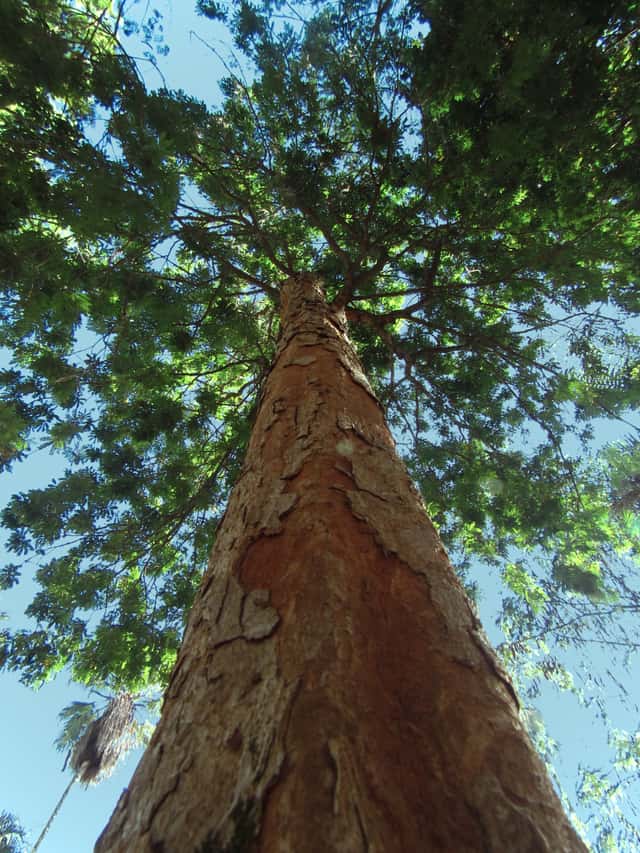
Brazilwood (Paubrasilia echinata) is a medium to large-sized tree, native to the Brazilian Atlantic Forest, belonging to the Fabaceae family and the monotypic genus Paubrasilia. It can reach between 10 and 20 meters in height, with a straight trunk covered in prickles and grayish bark that peels off in plates, revealing the reddish heartwood that gave rise to the country's name. Its leaves are bipinnate, and its broad, semi-deciduous canopy produces very fragrant yellow flowers with a central red petal, blooming between spring and summer. It is the national tree of Brazil, officially declared in 1978, and is currently critically endangered due to the historical exploitation of its wood.
How Big Does Brazilwood Grow?
TLDR: Brazilwood can reach up to 20.0m tall with Slow growth rate.
Max height
20.0m
Spread
10.0m
Growth rate
Slow
Foliage
Semi-evergreen
Plant Uses
Ornamental
Great for decoration
Medicinal
Medicinal properties
Aromatic
Pleasant fragrance
Medicinal Uses
- Traditional use of bark and heartwood in the treatment of inflammations
- Popular use as an adjunct in diabetes management
- Traditional use for colic and intestinal problems
Is your plant showing symptoms?
Click on the symptom to discover possible causes:
What Diseases Commonly Affect Brazilwood?
TLDR: Brazilwood is susceptible to 12 known diseases. Monitor regularly for early detection.
Root Rot
Root rot is a serious fungal disease that affects the root system of plants, causing them to decay and die. It is primarily caused by overwatering, poor drainage, or soil-borne fungi such as Pythium, Phytophthora, Rhizoctonia, and Fusarium. The disease thrives in waterlogged conditions where roots are deprived of oxygen, making them susceptible to fungal infection.
Overwatering
Overwatering occurs when plants receive too much water, depriving roots of oxygen and causing root rot. This environmental stress is one of the most common causes of houseplant death, as waterlogged soil prevents roots from breathing and functioning properly.
Underwatering
Underwatering or drought stress is a physiological disorder that occurs when the amount of water a plant loses through transpiration exceeds the amount its roots can absorb from the soil. This leads to cellular dehydration and various visible symptoms that can compromise plant health and productivity.
Aphids
Aphids are small, soft-bodied, pear-shaped insects (1/16 to 1/8 inch long) that feed by sucking nutrient-rich sap from plants. They reproduce rapidly and can quickly weaken plants, causing distorted growth and transmitting plant viruses. Aphids come in various colors including green, black, red, yellow, brown, and gray. They secrete honeydew, a sticky substance that attracts ants and encourages sooty mold growth.
Meaning & Symbolism
Brazilwood gives its name to Brazil: the term derives from the Latin 'brasa' (ember), in allusion to the vivid red color of its heartwood, resembling burning embers. Before colonization, indigenous peoples already used the species under the names ibirapitanga and ibirapitã, extracting dye to color fabrics and making bows and tools. During the colonial period, it was the first great wealth exploited by Portugal, which extracted the reddish dye brasilin for the European textile industry, practically devastating its natural populations in the Atlantic Forest. In 1978, by Law number 6,607, Brazilwood was declared the national tree of Brazil. It also inspired the modernist Pau-Brasil movement, launched by Oswald de Andrade during the Week of Modern Art in 1922, a symbol of the search for a genuinely Brazilian cultural identity. Today, critically endangered, the species is protected by law and is the focus of reforestation and genetic conservation programs throughout the Atlantic Forest.
Compare with similar plants
| Attribute | Difficulty | Light | Watering | Pet Safe |
|---|---|---|---|---|
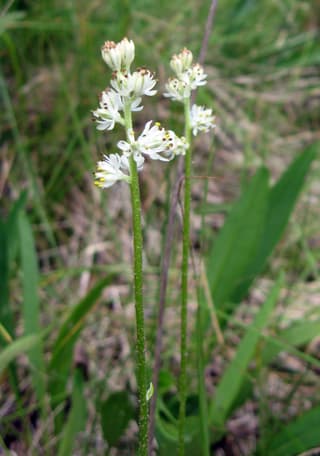
| Sticky false asphodel | Hard | Bright indirect | 1d | ✓ |
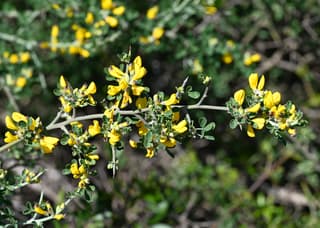
| Hairy Thorny Broom | Easy | Direct sun | 14d | ✓ |
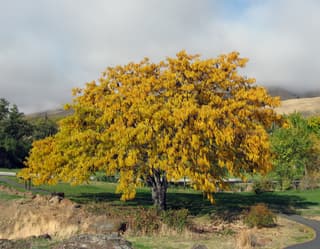
| Honey Locust | Medium | Direct sun | 14d | ✓ |
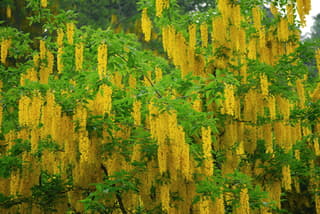
| Scotch laburnum | Medium | Bright indirect | 10d | ⚠️ |