Lamiaceae
Broad-leaved Thyme (Thymus pulegioides)
Thymus pulegioides
An easy, low-maintenance herb. Give it full sun and well-drained soil, and let the soil dry out between waterings. It rarely needs fertilizer and is virtually pest and disease free as long as it is not overwatered.
Every 7 days
Direct sun
-10° - °C
% - %
Categories
What is Broad-leaved Thyme?
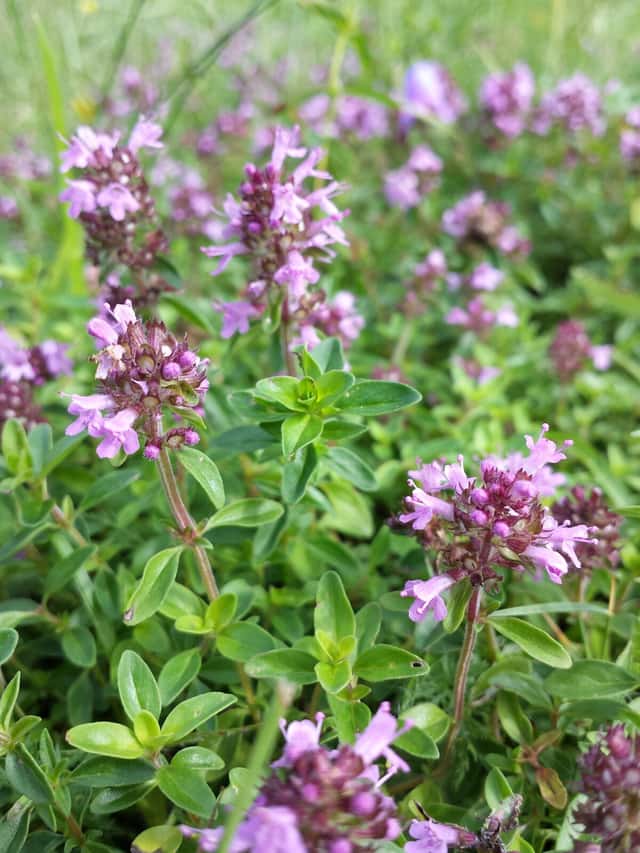
Broad-leaved Thyme (Thymus pulegioides) is a easy-care plant from the Lamiaceae family. Thymus pulegioides is a low, mound-forming evergreen sub-shrub in the mint family (Lamiaceae), native to Europe. It has broader, more rounded leaves than common thyme, often marked with reddish tints, and produces clusters of small rose-purple to pale lilac flowers in summer. It is prized as a culin...
Broad-leaved Thyme grows up to 30cm, spread of 30cm, watering every 7 days. It is suitable for indoor environments and safe for pets.
Unlike many tropical plants, Broad-leaved Thyme tolerates watering mistakes. Best for beginners. Unlike many popular species, Broad-leaved Thyme is safe to keep around pets. Without adequate drainage, root rot can develop within 14 days.
How to Care for Broad-leaved Thyme?
TLDR: Broad-leaved Thyme needs Direct sun, watering every 7 days, and temperatures between -10-30°C with 40-70% humidity.
How Often Should You Water Broad-leaved Thyme?
Water only when the top inch of soil is dry; this thyme is drought-tolerant and overwatering is the main risk to its health, often causing root rot.
How Much Light Does Broad-leaved Thyme Need?
Needs full sun, at least 6 hours of direct light daily. It will not thrive or flower well in shade.
What Is the Best Soil for Broad-leaved Thyme?
Plant in light, sandy or loamy, well-drained soil with a neutral to slightly alkaline pH. Avoid heavy, waterlogged soils.
What Pot Should You Use for Broad-leaved Thyme?
Shallow terracotta pot or wide low container with drainage holes, to mimic its natural rocky, well-drained habitat.
Care Schedule
Fertilize
Every 14 days
Misting
Every 3 days
Rotate
Every 7 days
Repot
Every 365 days
What Is Broad-leaved Thyme and Where Does It Come From?
Thymus pulegioides is a low, mound-forming evergreen sub-shrub in the mint family (Lamiaceae), native to Europe. It has broader, more rounded leaves than common thyme, often marked with reddish tints, and produces clusters of small rose-purple to pale lilac flowers in summer. It is prized as a culinary herb, groundcover, and pollinator-friendly garden plant.
How to Propagate Broad-leaved Thyme?
Stem cutting
Semi-hardwood cuttings taken in mid to late summer root reliably; keep the medium barely moist, not wet.
- 1 Cut a 5-8cm non-flowering stem tip
- 2 Strip the lower leaves
- 3 Insert into a well-draining seed mix or water
- 4 Keep in bright, indirect light until roots form
Materials needed:
Division
Divide every 2-3 years to keep plants vigorous and prevent woody, leggy growth.
- 1 Dig up an established clump
- 2 Gently separate rooted sections by hand
- 3 Replant divisions immediately at the same depth
- 4 Water in well
Materials needed:
How Big Does Broad-leaved Thyme Grow?
TLDR: Broad-leaved Thyme can reach up to 30cm tall with Medium growth rate.
Max height
30cm
Spread
30cm
Growth rate
Medium
Foliage
Evergreen
Plant Uses
Ornamental
Great for decoration
Edible
Can be consumed
Aromatic
Pleasant fragrance
Medicinal
Medicinal properties
Ground Cover
Soil coverage
Medicinal Uses
- Antiseptic and disinfectant essential oil
- Traditionally used for coughs and respiratory complaints
- Deodorant and expectorant properties
Culinary Uses
- Leaves used fresh or dried to season soups, stews, meats and vegetables
- Classic component of bouquet garni and herb mixes
- Pairs well with mushrooms and courgettes
Is your plant showing symptoms?
Click on the symptom to discover possible causes:
What Diseases Commonly Affect Broad-leaved Thyme?
TLDR: Broad-leaved Thyme is susceptible to 3 known diseases. Monitor regularly for early detection.
Root Rot
Root rot is a serious fungal disease that affects the root system of plants, causing them to decay and die. It is primarily caused by overwatering, poor drainage, or soil-borne fungi such as Pythium, Phytophthora, Rhizoctonia, and Fusarium. The disease thrives in waterlogged conditions where roots are deprived of oxygen, making them susceptible to fungal infection.
Aphids
Aphids are small, soft-bodied, pear-shaped insects (1/16 to 1/8 inch long) that feed by sucking nutrient-rich sap from plants. They reproduce rapidly and can quickly weaken plants, causing distorted growth and transmitting plant viruses. Aphids come in various colors including green, black, red, yellow, brown, and gray. They secrete honeydew, a sticky substance that attracts ants and encourages sooty mold growth.
Spider Mites
Spider mites are tiny arachnids (less than 1/20 inch long) related to spiders and ticks that feed on plant sap. They thrive in hot, dry conditions and can cause significant damage to ornamental and vegetable plants. During severe infestations, crop losses can reach 14% or higher as these pests disrupt vital plant processes including photosynthesis, carbon dioxide absorption, and transpiration.
Meaning & Symbolism
In folklore, thyme has long symbolized courage and strength, and was traditionally tucked into soldiers' pockets or scarves for bravery.
Fun Facts
Its leaves have a distinct lemony-mint scent when crushed, stronger than common thyme.
Bees and butterflies are strongly attracted to its summer flowers.
It forms a dense, mounding mat that is more upright than creeping thyme varieties.
Frequently asked questions
How often should I water Broad-leaved Thyme?
Is Broad-leaved Thyme toxic to pets?
What hardiness zones suit this thyme?
Does it have pest or disease problems?
Compare with similar plants
| Attribute | Difficulty | Light | Watering | Pet Safe |
|---|---|---|---|---|
| Field Maple | Easy | Bright indirect | 14d | ✓ |
| Silver Birch | Easy | Direct sun | 14d | ✓ |
| Common Blanketflower | Easy | Direct sun | 10d | ✓ |
| Cushion Bush | Easy | Direct sun | 14d | ✓ |





