Asteraceae
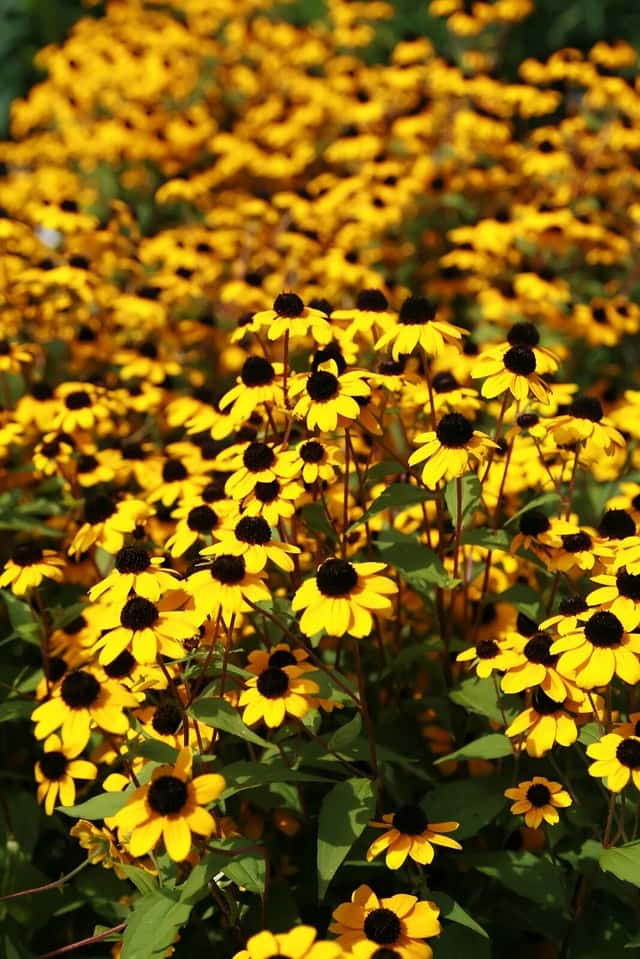
Brown-eyed Susan (Rudbeckia triloba)
Rudbeckia triloba
An easy garden plant for sun or part shade, ordinary well-drained soil and little water once established. It copes with drought, heat and clay. It self-seeds and usually flowers from its second year. It may need staking in low light.
Every 7 days
Bright indirect
° - °C
% - %
Categories
What is Brown-eyed Susan?
Brown-eyed Susan (Rudbeckia triloba) is a easy-care plant from the Asteraceae family. Rudbeckia triloba is a herbaceous biennial or short-lived perennial native to the central and eastern United States. It forms branching clumps 0.6-1.5 m tall with rough leaves; the lower ones are often three-lobed, hence the name. From midsummer until autumn frost it is covered in hundreds of small...
Brown-eyed Susan grows up to 1.5m, spread of 45cm, watering every 7 days. It is not suitable for indoor environments and safe for pets.
Unlike many tropical plants, Brown-eyed Susan tolerates watering mistakes. Best for beginners. Unlike many popular species, Brown-eyed Susan is safe to keep around pets.
How to Care for Brown-eyed Susan?
TLDR: Brown-eyed Susan needs Bright indirect, watering every 7 days, and temperatures between 15-30°C with 40-70% humidity.
How Often Should You Water Brown-eyed Susan?
Water once a week while it establishes. After that it handles drought well; water only in long dry spells, without waterlogging.
How Much Light Does Brown-eyed Susan Need?
Full sun or part shade. Too much shade makes it tall and floppy.
What Is the Best Soil for Brown-eyed Susan?
Ordinary loamy, sandy or clay soil that stays moist but drains well. It does not need rich soil.
What Pot Should You Use for Brown-eyed Susan?
Best in the ground. In a container, use a large, deep pot with drainage holes and stake the tall stems.
What Is Brown-eyed Susan and Where Does It Come From?
Rudbeckia triloba is a herbaceous biennial or short-lived perennial native to the central and eastern United States. It forms branching clumps 0.6-1.5 m tall with rough leaves; the lower ones are often three-lobed, hence the name. From midsummer until autumn frost it is covered in hundreds of small flowers, 2.5-5 cm across, with 8-10 yellow to orange rays around a dark, almost black centre that fades to brown. It looks like black-eyed Susan (Rudbeckia hirta) but is taller and bushier, with smaller flowers that open later.
How to Propagate Brown-eyed Susan?
Seed
It usually flowers in its second year. Leave some flower heads to ripen and it will self-seed.
- 1 Sow directly outdoors in autumn, or in spring after the last frost
- 2 Cover the seed with a very thin layer of soil
- 3 Keep moist until it germinates
- 4 Thin or transplant seedlings to 30-45 cm apart
Materials needed:
Division
Since the plant is short-lived, division is mainly for refreshing clumps; seed is the main method.
- 1 In late winter or early spring, lift a large clump
- 2 Split it into pieces with roots and shoots
- 3 Replant at the same depth and water well
Materials needed:
How Big Does Brown-eyed Susan Grow?
TLDR: Brown-eyed Susan can reach up to 1.5m tall with Medium growth rate.
Max height
1.5m
Spread
45cm
Foliage
Deciduous
Plant Uses
Ornamental
Great for decoration
Is your plant showing symptoms?
Click on the symptom to discover possible causes:
What Diseases Commonly Affect Brown-eyed Susan?
TLDR: Brown-eyed Susan is susceptible to 5 known diseases. Monitor regularly for early detection.
Powdery Mildew
Powdery mildew is a common fungal disease caused by various fungi species including Erysiphe, Podosphaera, Oïdium, and Leveillula. It affects over 10,000 plant species worldwide. The disease thrives in warm, dry climates with high humidity and appears as a distinctive white powdery coating on plant surfaces.
Southern Blight
Southern blight is a devastating soilborne fungal disease caused by Athelia rolfsii (formerly Sclerotium rolfsii), affecting over 500 plant species including vegetables, ornamentals, and fruit crops. The fungus survives in soil through resting structures called sclerotia that resemble mustard seeds and can remain viable for years.
Slugs and Snails
Slugs and snails are mollusks that feed on plant tissue, causing irregular holes in leaves and damage to young seedlings. They are most active at night and in moist conditions, leaving characteristic silvery slime trails. These pests can quickly devastate gardens, especially during wet seasons.
Leaf Spot
Leaf spot is a common fungal disease caused by various pathogens including Alternaria, Ascochyta, Colletotrichum, Septoria, and Venturia. It primarily affects leaves, causing discolored spots that can lead to premature leaf drop if left untreated.
Fun Facts
A single plant can have hundreds of flowers open at once.
The name 'triloba' comes from the lower leaves, split into three lobes.
It is a larval host plant for the silvery checkerspot butterfly.
Frequently asked questions
How is it different from black-eyed Susan (Rudbeckia hirta)?
Does it come back every year?
What problems does it get?
Does it attract pollinators?
Compare with similar plants
| Attribute | Difficulty | Light | Watering | Pet Safe |
|---|---|---|---|---|
| Field Maple | Easy | Bright indirect | 14d | ✓ |
| Iberian Houseleek | Easy | Direct sun | 14d | ✓ |
| Silver Birch | Easy | Direct sun | 14d | ✓ |
| Common Blanketflower | Easy | Direct sun | 10d | ✓ |





