Apiaceae
Chaerophyllum (Bulbous Chervil) Care Guide
Chaerophyllum
Grow chervil in cool, moist, humus-rich soil in a spot with morning sun and afternoon shade. Keep the soil consistently moist, feed lightly during active growth, and expect a biennial cycle: leafy growth the first year, flowering and seed the second.
Every 3 days
Partial shade
-5° - 25°C
50% - 70%
Categories
What is Bulbous Chervil?
Bulbous Chervil (Chaerophyllum) is a medium-care plant from the Apiaceae family. Chaerophyllum is a genus of roughly 35-40 flowering herbs in the carrot family (Apiaceae), native to temperate regions of Europe, Asia, North America and northern Africa. The genus includes both wild roadside species, such as rough chervil (C. temulum), and the cultivated turnip-rooted chervil (C. b...
Bulbous Chervil grows up to 1.2m, spread of 40cm, watering every 3 days, -5°C – 25°C, 50–70% humidity. It is not suitable for indoor environments and not safe for pets.
Without precautions, ingestion can cause irritation in pets. Keep out of reach of cats and dogs.
How to Care for Bulbous Chervil?
TLDR: Bulbous Chervil needs Partial shade, watering every 3 days, and temperatures between -5-25°C with 50-70% humidity.
How Often Should You Water Bulbous Chervil?
Water regularly to keep the soil evenly moist; chervil dislikes both drought and waterlogging, so let the top layer dry only slightly between waterings.
How Much Light Does Bulbous Chervil Need?
Provide semi-shade to full sun; strong afternoon sun in hot climates can scorch the delicate foliage, so morning light with afternoon shade is ideal.
What Is the Best Soil for Bulbous Chervil?
Plant in rich, well-drained loamy soil amended with compost; a pH between 6.0 and 7.0 suits it best.
What Pot Should You Use for Bulbous Chervil?
Choose a deep container (at least 30 cm) with good drainage to accommodate the taproot; unglazed terracotta helps prevent waterlogging.
Care Schedule
Fertilize
Every 30 days
What Is Bulbous Chervil and Where Does It Come From?
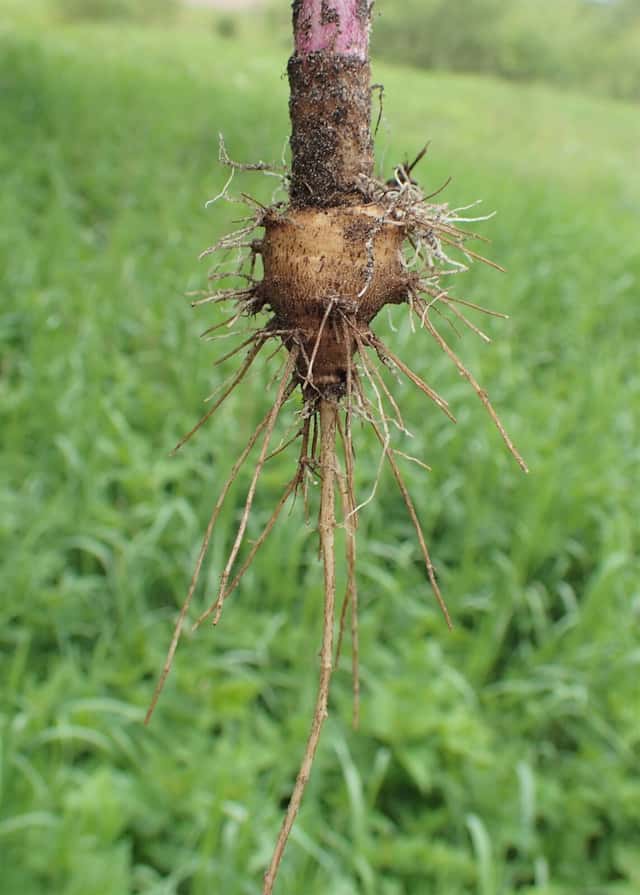
Chaerophyllum is a genus of roughly 35-40 flowering herbs in the carrot family (Apiaceae), native to temperate regions of Europe, Asia, North America and northern Africa. The genus includes both wild roadside species, such as rough chervil (C. temulum), and the cultivated turnip-rooted chervil (C. bulbosum), grown for its sweet, starchy taproot. Plants form feathery, fern-like foliage and produce flat umbels of small white flowers in late spring to summer.
How to Propagate Bulbous Chervil?
Direct sowing from seed
Chervil seed loses viability quickly when dried, so sow fresh seed as soon as possible after collection for the best germination rates.
- 1 Sow seeds directly outdoors in autumn, as fresh seed germinates far better than dried seed.
- 2 Cover lightly with soil and keep consistently moist until seedlings emerge.
- 3 Thin seedlings to about 20-30 cm apart once true leaves form.
- 4 If sowing in spring, chill seed in damp sand for several weeks first to break dormancy.
Materials needed:
How Big Does Bulbous Chervil Grow?
TLDR: Bulbous Chervil can reach up to 1.2m tall with Medium growth rate.
Max height
1.2m
Spread
40cm
Growth rate
Medium
Foliage
Deciduous
Warning: Toxic Plant
This plant can be toxic if ingested. Keep out of reach of:
Plant Uses
Edible
Can be consumed
Medicinal
Medicinal properties
Medicinal Uses
- Traditionally used to aid digestion
- Used in folk medicine as a mild diuretic
Culinary Uses
- Root eaten cooked or raw, similar to a sweet carrot or chestnut
- Young leaves used fresh as a garnish or in salads
Is your plant showing symptoms?
Click on the symptom to discover possible causes:
What Diseases Commonly Affect Bulbous Chervil?
TLDR: Bulbous Chervil is susceptible to 4 known diseases. Monitor regularly for early detection.
Aphids
Aphids are small, soft-bodied, pear-shaped insects (1/16 to 1/8 inch long) that feed by sucking nutrient-rich sap from plants. They reproduce rapidly and can quickly weaken plants, causing distorted growth and transmitting plant viruses. Aphids come in various colors including green, black, red, yellow, brown, and gray. They secrete honeydew, a sticky substance that attracts ants and encourages sooty mold growth.
Slugs and Snails
Slugs and snails are mollusks that feed on plant tissue, causing irregular holes in leaves and damage to young seedlings. They are most active at night and in moist conditions, leaving characteristic silvery slime trails. These pests can quickly devastate gardens, especially during wet seasons.
Root Rot
Root rot is a serious fungal disease that affects the root system of plants, causing them to decay and die. It is primarily caused by overwatering, poor drainage, or soil-borne fungi such as Pythium, Phytophthora, Rhizoctonia, and Fusarium. The disease thrives in waterlogged conditions where roots are deprived of oxygen, making them susceptible to fungal infection.
Powdery Mildew
Powdery mildew is a common fungal disease caused by various fungi species including Erysiphe, Podosphaera, Oïdium, and Leveillula. It affects over 10,000 plant species worldwide. The disease thrives in warm, dry climates with high humidity and appears as a distinctive white powdery coating on plant surfaces.
Meaning & Symbolism
Chervil-type herbs symbolize humble abundance and the comfort of homegrown food, tied to seasonal renewal in the kitchen garden.
Fun Facts
The genus name comes from the Greek "khairephyllon," meaning "plant that rejoices the leaf," referring to its fragrant foliage.
Turnip-rooted chervil (Chaerophyllum bulbosum) was a popular root vegetable in 19th-century European kitchens before falling out of fashion.
Chaerophyllum is closely related to carrots, parsley and dill, all members of the Apiaceae family.
Some wild Chaerophyllum species are considered weeds and can be confused with poisonous relatives like hemlock, so correct identification is essential before foraging.
Frequently asked questions
Is Chaerophyllum toxic to pets?
How often should I water chervil?
Can I grow Chaerophyllum indoors?
When does chervil flower?
Compare with similar plants
| Attribute | Difficulty | Light | Watering | Pet Safe |
|---|---|---|---|---|
| Dark Fieldcap | Medium | Low light | 2d | ⚠️ |
| Azalea | Medium | Partial shade | 3d | ⚠️ |
| Muriel's Bamboo | Medium | Partial shade | 3d | ✓ |
| Bougainvillea | Medium | Direct sun | 7d | ⚠️ |




