Aizoaceae
Burger's Onion: Low Water Needs
Conophytum burgeri
It is one of the most challenging succulents in the Conophytum genus because it has an inverted growth cycle compared to most species: it grows in autumn and winter and enters deep dormancy during spring and summer, when the body forms a thin, white, papery sheath that protects it from the sun. Watering at the wrong time—especially during summer dormancy—can cause the translucent skin to crack, leading to permanent scarring or rot. It requires strong light and extremely well-drained soil, such as a cactus/succulent mix with coarse sand or perlite.
Every 21 days
Bright indirect
-2° - 35°C
20% - 40%
Categories
What is Burger's Onion?
Burger's Onion (Conophytum burgeri) is a hard-care plant from the Aizoaceae family. Conophytum burgeri is a dwarf and highly compact succulent, endemic to a very restricted area of Bushmanland in the Northern Cape Province, South Africa, between Springbok and Pofadder. It consists of a single fleshy, onion-shaped body with a small fissure at the top from which the flower and new pa...
Burger's Onion grows up to 4cm, spread of 8cm, watering every 21 days, -2°C – 35°C, 20–40% humidity. It is suitable for indoor environments and safe for pets.
Unlike easy-care plants, Burger's Onion demands constant attention to humidity and light. Not recommended for beginners. Unlike many popular species, Burger's Onion is safe to keep around pets. Without adequate drainage, root rot can develop within 42 days.
How to Care for Burger's Onion?
TLDR: Burger's Onion needs Bright indirect, watering every 21 days, and temperatures between -2-35°C with 20-40% humidity.
How Often Should You Water Burger's Onion?
Water only during the growth period (autumn to early spring), allowing the substrate to dry out completely between waterings—approximately every 2-3 weeks, soaking thoroughly and draining the excess. During summer dormancy, suspend watering almost entirely, offering at most an occasional light misting only if the body begins to visibly shrivel. Never water a Conophytum burgeri still covered by its dry sheath—wait for it to break naturally with new growth.
How Much Light Does Burger's Onion Need?
Prefers strong, direct sunlight for most of the year, such as a window facing the morning sun, but needs protection or light shading on the hottest summer days and right after emerging from dormancy, when the skin is more sensitive and prone to burning.
What Is the Best Soil for Burger's Onion?
Use a very fast-draining mineral substrate, such as a cactus/succulent mix enriched with coarse sand, perlite, or pumice (about half the volume), with little organic matter. Pots with generous drainage holes are essential to avoid standing water in the root zone.
What Pot Should You Use for Burger's Onion?
Prefer low, wide pots made of terracotta or unglazed ceramic, which promote evaporation and rapid drying of the substrate, with multiple drainage holes at the bottom.
Care Schedule
Fertilize
Every 180 days
Rotate
Every 14 days
Repot
Every 730 days
What Is Burger's Onion and Where Does It Come From?
Conophytum burgeri is a dwarf and highly compact succulent, endemic to a very restricted area of Bushmanland in the Northern Cape Province, South Africa, between Springbok and Pofadder. It consists of a single fleshy, onion-shaped body with a small fissure at the top from which the flower and new pair of leaves emerge. Its epidermis is smooth, shiny, and translucent, with coloration ranging from light green to purple, often taking on reddish-purple tones under intense sun. Over time, it may slowly divide to form small clusters of up to about five bodies. In nature, it grows in rocky and clayey soil among quartz pebbles, relying on winter mists and dew to survive the arid climate. It blooms in early autumn (April-May in the Southern Hemisphere), with sweet-scented purple flowers that open for a few hours in the late afternoon.
How to Propagate Burger's Onion?
Seed Propagation
Seeds can be sown immediately after harvest or stored dry for later sowing; seedlings take one to two years to form mature bodies.
- 1 Collect seeds from mature flowers, hand-pollinating if possible to improve seed formation
- 2 Sow on the surface of a well-drained mineral substrate without covering deeply
- 3 Lightly cover with a thin layer of sand
- 4 Keep the substrate slightly moist and in a location with indirect light until germination
- 5 After germination, gradually reduce watering frequency as seedlings develop
Materials needed:
Clump Division
Use clean, sharp tools to reduce the risk of rot; do not water immediately after division, wait for the cut to callus well.
- 1 Wait until the beginning of the growth period in autumn to divide the plant
- 2 Carefully remove the clump from the pot and identify individual bodies joined by roots
- 3 Cut or separate a group of bodies with roots and, if present, healthy leaves
- 4 Allow the cut to heal (dry) for a few days in a dry, shaded spot before planting
- 5 Plant in dry mineral substrate and begin watering only after signs of rooting appear
Materials needed:
How Big Does Burger's Onion Grow?
TLDR: Burger's Onion can reach up to 4cm tall with Slow growth rate.
Max height
4cm
Spread
8cm
Growth rate
Slow
Foliage
Evergreen
Plant Uses
Ornamental
Great for decoration
Is your plant showing symptoms?
Click on the symptom to discover possible causes:
What Diseases Commonly Affect Burger's Onion?
TLDR: Burger's Onion is susceptible to 6 known diseases. Monitor regularly for early detection.
Root Rot
Root rot is a serious fungal disease that affects the root system of plants, causing them to decay and die. It is primarily caused by overwatering, poor drainage, or soil-borne fungi such as Pythium, Phytophthora, Rhizoctonia, and Fusarium. The disease thrives in waterlogged conditions where roots are deprived of oxygen, making them susceptible to fungal infection.
Overwatering
Overwatering occurs when plants receive too much water, depriving roots of oxygen and causing root rot. This environmental stress is one of the most common causes of houseplant death, as waterlogged soil prevents roots from breathing and functioning properly.
Mealybugs
Mealybugs are small, soft-bodied insects covered with a white, waxy, cottony material. They are common pests of houseplants and outdoor plants in mild climates. These sap-sucking insects feed on plant tissue, causing damage, stunted growth, and can lead to plant death if left untreated. They produce sticky honeydew which attracts sooty mold.
Sunburn (Sun Scorch)
Sunburn or sun scorch is an environmental condition that occurs when plants are exposed to intense, direct sunlight beyond their tolerance level. This causes the breakdown of chlorophyll in the leaves, resulting in bleached, dried, and damaged foliage. The damage can happen rapidly, sometimes within just a few hours of exposure.
Meaning & Symbolism
Due to its unusual translucent onion shape and its rarity in the wild, Conophytum burgeri is seen by collectors as a symbol of resilience and uniqueness—a jewel-plant that withstands extreme conditions in the South African desert by storing water and strength within a single, discreet body.
Compare with similar plants
| Attribute | Difficulty | Light | Watering | Pet Safe |
|---|---|---|---|---|
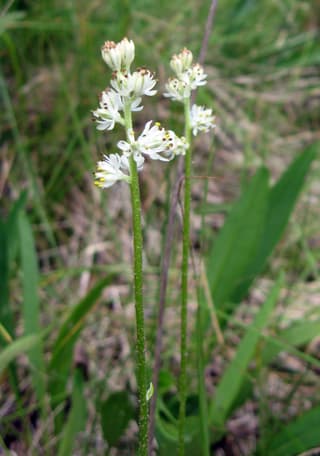
| Sticky false asphodel | Hard | Bright indirect | 1d | ✓ |
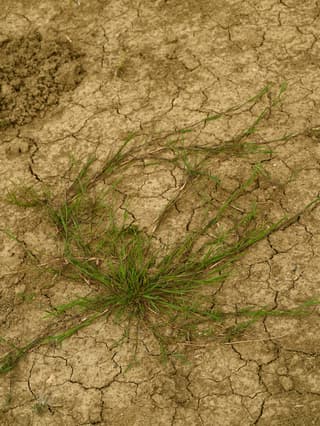
| Creeping bentgrass | Hard | Direct sun | 3d | ✓ |
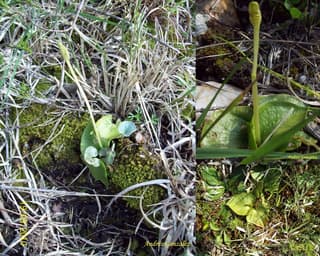
| Bulbous Adder's-tongue | Hard | Partial shade | 4d | ✓ |
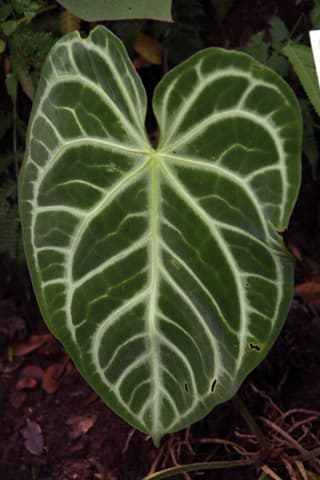
| Crystal Anthurium | Hard | Partial shade | 7d | ⚠️ |